
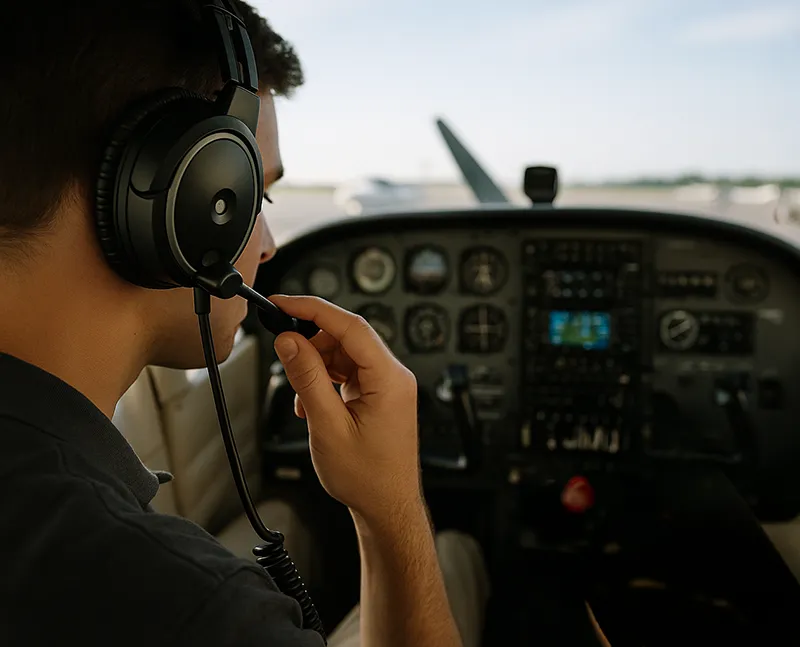
Choosing the right aviation headsets and communication gear matters every time a pilot closes the cockpit door. Aviation headsets affect clear radio communications, situational awareness, cockpit workload, and long term hearing health. Whether you are a student pilot learning radio technique, a flight instructor teaching traffic patterns, or a professional pilot flying multi-crew operations, the headset you use shapes how you hear, speak, and manage communication tasks.
This guide walks through the practical principles pilots need when selecting, using, and maintaining aviation headsets and associated communication equipment. It explains the key features of passive and active noise reduction, microphone types, connection options, compatibility with avionics, and human factors that influence how pilots listen and speak. The goal is operational: help pilots make better decisions in training, everyday flying, and professional operations without oversimplifying technical tradeoffs.
Understanding the core functions of aviation headsets
Aviation headsets do three basic jobs: reduce ambient noise, provide a clear microphone for transmission, and deliver radio and intercom audio. These functions are intertwined. Noise reduction improves the headset's ability to deliver intelligible audio at lower volume levels. Microphone design impacts transmit clarity and the risk of radio readbacks that are hard to understand. Intercom routing and ergonomic controls affect how quickly a pilot can switch between radios or mute when required.
There are two primary approaches to reducing cockpit noise. Passive noise reduction relies on physical barriers: cushioned ear cups, seals, and materials that block sound. Active noise reduction, often called active noise cancellation or ANC, uses electronics and microphones to sense low-frequency noise and generate an opposing waveform to cancel it. Both approaches have strengths and limitations in the aviation environment.
Microphones typically fall into two categories: dynamic (often carbon or electret) and noise-cancelling electret condenser designs. Noise-cancelling boom mics are engineered to capture the pilot's voice while rejecting background noise and propwash. The mic's position, stability, and the headset's impedance affect transmit quality and compatibility with aircraft audio systems.
Why this matters in real-world aviation
Clear communications are a foundational safety element. Misheard clearances, garbled readbacks, or a fatigued pilot unable to hear traffic advisories increase operational risk. For instructors and students, poor headset performance can slow training progress, create unnecessary distractions, and mask learning opportunities such as hearing subtle ATC cues during busy phases of flight.
Hearing conservation is another operational concern. Prolonged exposure to high noise levels in training aircraft, helicopters, and turboprops can contribute to permanent hearing loss. Proper noise attenuation allows pilots to keep audio levels lower while preserving situational awareness. That has direct implications for long careers and maintaining precise communications under workload.
Compatibility with avionics and intercom systems matters when flying different aircraft. A headset that works well in a training Cessna may not connect easily to a turbine panel, a glass cockpit comm radio, or a modern avionics stack without adapters or wiring changes. Knowing connector types, pinouts, and power requirements avoids surprises on the ramp and reduces the temptation to improvise connections mid-flight.
How pilots should understand and evaluate headsets
Evaluate aviation headsets across four practical dimensions: audio performance, noise control, microphone and transmit quality, and human factors. Each dimension has tradeoffs that matter depending on mission profile.
Audio performance. This covers clarity of received audio from radios and intercom, frequency balance, and perceived loudness. High sensitivity drivers can sound louder at lower volume, but excessive bass emphasis can mask consonants that are critical to intelligibility. Pilots should evaluate how clearly they can read complex ATC instructions at realistic cockpit noise levels rather than judging audio in quiet conditions only.
Noise control. Passive attenuation performs well at mid and high frequencies, such as speech and engine whine, when ear seals are effective. Active systems perform best at reducing low-frequency, continuous noise like engine roar. Because active noise control works by generating counter-phase sound, it can sometimes alter the perception of low-frequency engine cues pilots use for diagnosing power changes or propeller RPM in certain aircraft. Pilots should test whether ANC changes how they sense aircraft noise during critical phases.
Microphone and transmit. The microphone needs to pick up speech clearly at normal mouth positions and reject ambient noise. A well-tuned noise-cancelling mic captures consonant sounds and reduces the need for repeated transmissions. Consistency of microphone placement is important; flexible booms that drift or foam sleeves that dislodge reduce transmit quality. When possible, compare recorded radio transmissions from different headsets to evaluate real-world intelligibility.
Human factors and ergonomics. Controls, comfort, weight, hot-mic muting, and cable routing are often decisive. Long flights magnify small comfort differences. Intuitive push-to-talk or mute switches, durable connectors, and replaceable cushions extend service life and reduce cockpit workload. Consider how the headset fits with glasses or oxygen masks and how simple it is to swap between pilot and instructor in a two-place aircraft.
Common headset types and connection options
Headsets come in several common configurations. Circumaural over-ear models with solid seals are the most common for general aviation. In-ear monitors exist but are less common due to safety and situational awareness tradeoffs. Noise-attenuating earbuds that combine passive and active elements are emerging but require careful evaluation for cockpit use.
Connection options include the traditional dual-prong GA plug (known as the general aviation or PJ/GA plug), 6-pin LEMO or XLR variants used in some transport and turbine aircraft, and modern Bluetooth wireless links. Many pilots use an adapter cable or a mix of wired and wireless functionality to ensure compatibility across aircraft.
Bluetooth introduces convenience for streaming music or phone calls on the ground but has limitations in transmit latency, audio compression, and reliability in high-noise cockpit environments. For primary flight communications, a wired connection to the aircraft audio bus remains the most reliable option. When using wireless links, always confirm that pairing and failover behavior will not interfere with essential flight communications.
Why connectors, impedance, and wiring matter
Not all headsets play nicely with every aircraft. Connector type matters because some avionics systems supply power, bias voltage, or passive audio routing differently. Impedance matching affects volume and microphone sensitivity. Headsets with active electronics that require battery power or aircraft-supplied power need to be evaluated for how they behave if power is lost in flight, and whether transmit and receive audio remain usable in a powered-off state.
If you change between aircraft frequently, carry the right adapters and know whether your headset will mute the intercom or reroute audio when plugged into alternate jacks. Check whether the aircraft audio panel mutes external audio or has priority selectors that could change how conversations flow in the cockpit. Plug compatibility and proper wiring reduce surprises and help maintain clear communications under workload.
Maintenance, inspection, and longevity
Headset maintenance extends service life and preserves audio performance. Inspect cushions for torn seals, check boom stability and microphone integrity, and verify cable strain relief. Replace foam or leatherette ear seals when they no longer form an effective seal against the head or start to crack. For headsets with active electronics, follow the manufacturer guidance for battery replacement or charging cycles. Corrosion at connectors due to sweat, oil, or moisture can create intermittent audio problems; keep connectors clean and protected when not in use.
A practical maintenance habit is to perform a quick function check before flight: ensure headset power is on if required, confirm you can hear both left and right channels at a normal volume level, and transmit a short acknowledgement on the radio to verify microphone performance. Hearing fatigue or sudden changes in audio quality can indicate a failing component and should be addressed before a long flight or a training flight with a student.
Common mistakes and misunderstandings
Pilots often make the mistake of prioritizing brand or price over operational fit. A high-cost headset is not automatically appropriate for every mission. Comfort, compatibility, and the headset's behavior in realistic cockpit noise levels are more important than marketing claims about noise cancellation.
Another common misunderstanding is treating ANC as a cure-all. Active noise control does reduce low-frequency noise but may affect perception of engine harmonics and warning tones. Some pilots report a sensation of pressure or reduced ambient awareness when ANC is active. Evaluate ANC headsets in the specific aircraft type to ensure there are no adverse effects on sound cues used for piloting.
Wireless headset usage introduces its own mistakes. Relying on Bluetooth for primary radio audio without a wired backup risks loss of critical communications if pairing or battery fails. Pilots sometimes forget to disable audio routing to phone calls or media, resulting in distractions during taxi or critical flight phases. Confirm device settings and establish a habit of disabling non-essential connections before engine start.
Finally, pilots sometimes underestimate hearing conservation. Repeated exposure to elevated cockpit noise, even if radio audio is intelligible, can contribute to cumulative hearing damage over a career. Use headsets that provide effective attenuation and manage flight deck audio levels to reduce long-term risk.
Practical example: Instructor and student in a busy traffic pattern
Imagine a Cessna 172 flight lesson in a busy pattern on a windy day. The student is learning crosswind control while the airport is handling frequent arrivals. The instructor relies on clear comms to provide timely traffic advisories and to intervene if necessary. A headset with poor noise attenuation forces the student to crank volume, increasing the likelihood of missing subtle ATC call signs or confusing similar-sounding instructions.
With a well-sealed over-ear headset and a stable noise-cancelling boom mic, both pilots can maintain lower cabin volume, reducing fatigue and improving speech intelligibility. The instructor can clearly hear the student's radio calls and the ATC readbacks, give concise corrective instruction, and monitor external traffic calls through the intercom without raising voice levels. If the headset includes an instructor-student mode that allows quick switching or muting for demonstrations, the transition is smoother and more professional for training tasks.
Best practices for pilots
Choose headsets based on mission fit. If most of your flying is flight training in single-engine pistons, prioritize comfort, passive attenuation, microphone clarity, and durability. For turbine or helicopter operations where low-frequency noise dominates, actively evaluate ANC designs in the actual aircraft.
Test before committing. Whenever possible, try headsets in the aircraft you fly most often. Bring a friend or an instructor to read back ATC information so you can compare recordings or perceived clarity. Evaluate long-duration comfort during a flight of at least one hour when feasible.
Keep a wired backup and carry adapters. Ensure you can connect to the aircraft audio bus with a known-good cable. If your headset depends on batteries or charging, carry spares and a plan for power management so you are not forced to fly without functioning audio equipment.
Maintain good microphone habits. Keep the boom at a consistent distance from your mouth, typically about one to two finger-widths from the corner of the mouth. Avoid rubbing the microphone against clothing or helmet straps, which creates noise that transmits over the radio.
Practice clear radio technique. No headset substitutes for poor phraseology. Speak steadily, enunciate critical letters and numbers, and pause briefly for ATC when the radio environment is busy. Use performance cues instead of repeating unnecessary comfort checks that add channel congestion.
How to choose a headset: a step-by-step operational approach
Define your primary mission and operating environment. Identify whether you mostly fly light pistons, turboprops, helicopters, or transport category aircraft.
List required connectors and any avionics peculiarities for the aircraft you use regularly.
Prioritize comfort parameters: weight, headband pressure, ear cup material, and compatibility with eyewear or oxygen masks.
Test noise reduction in-flight if possible. Evaluate how the headset handles engine noise changes, propwash, and normal cockpit sounds.
Compare microphone transmit quality by making recorded transmissions or asking a ground station to comment on intelligibility.
Check maintenance aspects: replaceable cushions, boom replacement, battery compartments, and availability of spare parts.
Frequently asked questions
Do active noise-cancelling headsets make radio communications clearer?
Active noise control can improve perceived clarity by reducing low-frequency engine noise, allowing pilots to listen at lower volumes. However, ANC is not a cure-all. It is most effective at steady, low-frequency sounds and may not reduce mid-to-high frequency noises that mask speech. Evaluate ANC headsets in the actual aircraft to confirm they improve intelligibility for your mission.
Can I use Bluetooth headsets for ATC communications?
Bluetooth is convenient for ground use and non-critical audio, but a wired connection remains the most reliable for primary ATC communications. Bluetooth introduces latency, potential pairing issues, and compression that can affect intelligibility. If you use Bluetooth, verify that the headset supports a wired fallback and that pairing will not interfere with safety-critical radio use.
How should I position the microphone for best transmit quality?
Position the boom so the mic element is at the corner of your mouth, not directly in front of it. This placement reduces plosive noise while keeping the mouth close enough for consistent pickup. Maintain the same position during the flight and avoid touching the boom. Check microphone stability and foam windscreen condition regularly.
What maintenance should I perform on my headset?
Regularly inspect ear cushions, headband padding, cable strain relief, connector integrity, and boom movement. Clean connectors and cushions with appropriate materials, replace worn cushions, and ensure any batteries are in good condition. Perform a quick audio check before each flight to confirm left and right audio and microphone transmit performance.
Are in-ear monitors safe for flying?
In-ear monitors can provide excellent clarity and attenuation but reduce ambient audio cues that may be important for situational awareness. Their suitability depends on the mission and whether they allow sufficient external sound detection. Evaluate them carefully and consider whether they provide acceptable awareness of engine tones and cockpit alerts.
Common mistakes pilots should avoid
Do not assume high price equals best performance for your mission. A headset that performs well in a twin turbine might be overkill in a trainer or uncomfortable for long instructional flights.
Do not rely on wireless audio without a wired backup. Technology failures occur and can coincide with high workload phases of flight.
Do not forget hearing conservation. Even when communications are adequate, cumulative noise exposure can damage hearing. Use appropriate attenuation and keep volume levels moderate.
Key Takeaways
- Practical takeaway: Choose a headset that matches your primary aircraft, mission, and comfort needs rather than chasing brand or price alone.
- Safety takeaway: Test active noise cancellation and wireless features in your actual aircraft to ensure they do not reduce essential ambient cues or introduce failure modes.
- Training and decision-making takeaway: Carry a wired backup, practice consistent microphone technique, and include headset checks in preflight routines to reduce communication errors and workload.
Choosing and using aviation headsets is a human factors and operational decision as much as a technological one. Pilots who test gear in the aircraft, prioritize maintainability, and practice good microphone and radio technique will improve communications, reduce fatigue, and protect long-term hearing. Use the principles here to create a headset selection and maintenance plan that supports safe, effective flying.