
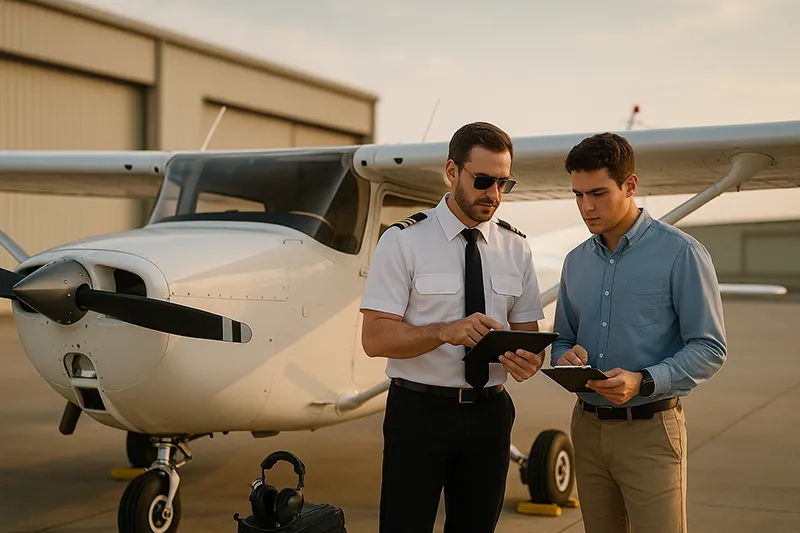
Aviation safety reporting is a practical skill every pilot, student, and instructor should understand. Clear, timely reports about events, hazards, and operational risks help crews learn, improve procedures, and reduce the chance of repeat occurrences.
This article shows why safety reporting matters in real flying, how to interpret reporting programs in operational terms, and how pilots can write useful reports without overcomplicating the process. The guidance emphasizes safe decision-making, training value, and practical examples that you can apply in the cockpit, during debriefs, and in flight operations departments.
What is Aviation Safety Reporting?
Aviation safety reporting refers to submitting detailed, factual accounts of events, hazards, near misses, maintenance concerns, or system anomalies that could affect safety. These reports are meant to capture what happened, why it matters, and what might prevent recurrence. Safety reporting is not the same as incident investigation. Its primary goal is learning and prevention rather than assigning blame.
Why This Matters in Real-World Aviation
Safety reporting converts experience into organizational learning. When pilots and instructors report early and clearly, flight schools, airlines, maintenance organizations, and regulators can identify recurring problems, fix latent safety issues, and shape training. For an individual pilot, a good report supports better briefings, stronger SOPs, and more informed decision-making on future flights.
Beyond organizational benefits, reporting improves personal judgment. Writing a concise report forces a pilot to reflect on the sequence of events, what cues were missed, and what decisions influenced the outcome. That reflection builds mental models and habits that reduce error in future flights.
How Pilots Should Understand Aviation Safety Reporting
Think of reporting as structured communication. A useful report answers three questions: what happened, why it happened, and what might stop it from happening again. Use plain facts, avoid speculation, and be specific about context. Include aircraft state, phase of flight, weather, ATC interactions, and any relevant system indications. Describe actions taken and their timing. The goal is to make the report useful to a technical reviewer, instructor, or safety analyst who may not have been there.
There are multiple reporting channels. Some are confidential or voluntary, designed to encourage reporting without punitive consequences. Others are formal regulatory notifications required for certain events. Understand the difference in your operation so you choose the right path: use a confidential voluntary report to flag hazards and near misses that require organizational attention, and follow required notification procedures when an event meets your operator's or regulator's mandatory reporting criteria.
Core Principles for Effective Reports
Effective safety reports are concise, factual, and framed for learning. Keep these principles in mind:
- Clarity: Use plain language. Avoid acronyms when possible or define them.
- Chronology: Present events in sequence. Time stamps or elapsed times help.
- Context: State phase of flight, location, and conditions. Include aircraft configuration and system status.
- Outcome-focused: Describe the operational impact and any safety margins consumed.
- Actionable details: Include what you did and what might have helped prevent the event.
Why This Matters in Training and Operations
For instructors and training managers, reports identify skills gaps and recurrent training themes. A pattern of unstable approaches, mismanaged checklists, or communication breakdowns shows where syllabi need adjustment. For operations and maintenance, reports that document system anomalies or inconsistent maintenance actions can trigger reliability investigations or revised maintenance practices.
In daily operations, reporting high-risk but recoverable events—such as a late go-around, unexpected automation mode change, or a mis-set altimeter—helps refine SOPs and briefings. That sharing reduces normalization of deviance, where unsafe practices become accepted because they have not yet caused a visible accident.
Understanding Reporting Programs and Channels
Organizations typically provide two broad channels: voluntary confidential reporting and mandatory reporting. Voluntary confidential channels are intended to encourage reporting of hazards and near misses so that lessons can be learned without fear of immediate punitive action. Mandatory reporting requirements exist for certain safety-significant events and are defined by operators or authorities. Confirm with your operator or instructor which channel to use for different event types.
When in doubt, prioritize safety. If an event affects the airworthiness of the aircraft or represents a regulatory threshold, follow your operator's mandatory reporting process and notify the appropriate authority as required. If the event is a near miss, repetitive minor error, or systemic issue that would benefit from confidential analysis, a voluntary report often works best.
Common Mistakes and Misunderstandings
Pilots and instructors often make reporting less useful by committing predictable errors. Recognizing these common mistakes helps avoid undermining the value of reporting.
- Too little detail: Vague descriptions like "we had a problem" force reviewers to guess. Include specific times, altitudes, and configuration details.
- After-the-fact judgment: Avoid concluding causation prematurely. Describe observations and known facts, then note hypotheses rather than firm conclusions.
- Emotional language: Keep tone professional. Avoid blaming individuals or using inflammatory words that shift focus from learning to punishment.
- Missing context: Leaving out environmental or workload factors prevents reviewers from understanding why decisions occurred.
- Delayed reporting: Waiting weeks can lose data and reduce credibility. Report while memory is fresh.
Practical Example: A Night Cross-Country Near Miss
Scenario: During a night cross-country in a single-engine airplane, the pilot misread the destination airport lighting and began a visual approach that would have taken the aircraft too low over a nearby ridge. The pilot noticed the terrain when the GPS indicated excessive descent rate. The pilot initiated a climb and conducted a stabilized instrument approach on the next circle-in attempt.
How to report it: Start with a concise chronology. State phase of flight, time, altitude, and the instruments or systems relied upon. Note the exact cue that prompted the corrective action, such as a terrain advisory or GPS altitude trend. Describe environmental conditions including night lighting and any NOTAMs that affected the approach. Explain decisions made and why, and identify potential preventive measures, for example improved briefings, a requirement to use instrument procedures at night under certain conditions, or a runway-specific briefing checklist addition.
Why it matters: The report helps operations and training staff determine if night-approach procedures, visual cues, or airport lighting contributed. It also becomes training fuel for instructors to discuss human factors like visual illusions and decision points for switching to instruments.
Best Practices for Pilots
Good reporting is part of professional airmanship. Use these practices to make your reports useful and to encourage a positive safety culture.
- Report promptly: Write while details are fresh and include a brief timeline.
- Be factual and objective: Describe what you observed and what you did. Reserve speculation for a separate analysis section.
- Include mitigating factors: Workload, fatigue, weather, and distractions matter to reviewers. They help identify root causes.
- Suggest practical mitigations: Offer training adjustments, checklist changes, or procedural clarifications that could prevent recurrence.
- Respect confidentiality rules: Use voluntary confidential channels when appropriate, and follow mandatory notification processes for reportable events.
- Follow up: When possible, keep lines of communication open with your safety office or instructor. Additional details often clarify early reports.
Writing Style Tips for Maximum Usefulness
Structure your narrative so a reviewer can quickly extract the essentials. Start with a summary sentence: what happened and the outcome. Follow with a brief chronology, list system or environmental states, and close with insights or suggestions. Use bullet points for complex system states or multiple crew actions. Avoid long paragraphs that bury key facts.
Example structure:
- Summary: Single sentence outcome and safety impact.
- Chronology: Timed sequence of critical events.
- State: Aircraft configuration, automation mode, and weather.
- Action: What you and others did and when.
- Outcome: Why this was hazardous and how it was resolved.
- Recommendation: Brief suggestion for prevention.
How Instructors and Safety Officers Should Use Reports
Instructors should treat reports as training leads. A well-written report can become a scenario for a debrief, a simulator session, or a training brief. Safety officers should categorize reports to identify trends. Look for repeating themes such as distractions during critical phases, automation surprises, or maintenance discrepancies. Those patterns inform training syllabi, SOP updates, and risk mitigation plans.
Legal and Organizational Considerations
Reporting interacts with organizational policy and legal frameworks. Confidential voluntary programs exist to encourage open reporting, but mandatory report thresholds and regulatory notification responsibilities remain. Understand your employer's policies and the protections or obligations each reporting channel provides. When an event may have airworthiness implications, involve maintenance and operations early to ensure the aircraft remains safe for flight.
Remember that a safety report is distinct from an incident investigation. A report triggers analysis. Investigations with formal outcomes may follow for serious events. Maintain professionalism in reporting so the organizational response focuses on learning rather than defensiveness.
Common Reporting Scenarios and How to Approach Them
Pilots encounter many situations worth reporting. Here are common examples and a short approach to reporting each type.
- Near misses or loss of separation: Describe flight paths, timings, traffic advisories, and communications. Include radar track if available.
- Automation mode confusion: State active and armed modes, annunciator cues, and any unexpected mode changes.
- Systems anomalies: Record indications, warning messages, and checklist steps executed.
- Maintenance discrepancies: Describe observed defects, suspected causes, and any deferred maintenance actions.
- Human factors events: Note fatigue, distraction sources, or communication breakdowns that contributed.
Practical Example: Automation Mode Confusion on Descent
Scenario: During descent in a multi-crew turboprop, the autopilot remained in altitude hold while the crew expected vertical navigation capture. The aircraft leveled at the wrong altitude, requiring a manual correction that increased workload during a busy approach phase.
Report approach: Start with the expected mode sequence and actual modes observed. Include timestamps for mode transitions, the indications on the flight mode annunciator, and the crew's verbal callouts. State the workload context, such as ATC frequency changes or approach briefings. Suggest mitigations like revised callout standards, a clearer briefing script on mode transitions, or additional training on the aircraft's VNAV logic.
How to Use Reports for Personal Development
Writing reports is a learning tool. After submitting a report, use it as the basis for a short self-brief or to ask your instructor for targeted training. A report that points to an unstable approach can justify a focused session on energy management. A report about distraction management can lead to CRM practice emphasizing sterile cockpit discipline during critical phases.
Common Mistakes Revisited with Preventive Tips
Recognizing mistakes is the first step to preventing them. Below are common reporting-related mistakes and how to avoid them in operation.
- Assuming memory is perfect: Take notes or record times immediately after the flight. Small details matter.
- Believing reports are punitive: Encourage a learning culture by focusing reports on prevention and solutions.
- Omitting human factors: Include cognitive and environmental factors to reach useful corrective actions.
- Not following up: If your report prompts corrective training or procedural changes, participate in the follow-up to verify effectiveness.
Frequently Asked Questions
When should I file a safety report versus notify maintenance or ATC?
Use maintenance notification immediately when an airworthiness issue or obvious mechanical defect exists. Notify ATC or the appropriate authority in real time for separation or safety-critical events. File a safety report whenever the event reveals a hazard, near miss, systemic issue, or training need that would benefit from organizational review. When in doubt, consult your operator's procedures or an instructor.
Will filing a report lead to disciplinary action?
Reporting programs are designed to encourage openness and learning. Many organizations have confidential or non-punitive reporting policies for safety reports. However, mandatory reporting may trigger investigations for serious events. Know your operator's policy. When safety is your priority, accurate reporting that focuses on facts and prevention is the professional choice.
How detailed should my report be?
Include sufficient detail for a reviewer to understand the timeline, system state, and contributing factors. Times, altitudes, airspeeds, automation modes, weather, and pilot actions are often necessary. Keep the narrative clear and concise. If you have supporting materials like flight recordings or photos, indicate their availability in the report.
Can I suggest corrective actions in my report?
Yes. Practical, realistic suggestions are useful. Offer mitigations grounded in operational reality, such as changing a briefing step, modifying a checklist placement, or scheduling a short training session. Safety teams will assess feasibility and implement broader risk controls as appropriate.
Should student pilots file safety reports?
Yes. Student reports are valuable training inputs. They help instructors understand where students struggle and where training emphasis is needed. Encourage students to be factual and reflective in their reports so instructors can use them in debriefs and lesson planning.
Implementing a Reporting Habit
Make reporting part of your after-landing routine. Treat the report as a professional debrief that complements verbal debriefing with instructors or crew. Keep a personal log of lessons learned from reports and review them periodically. Use reports as inputs to scenario-based training and personal currency planning.
Key Takeaways
- Practical takeaway: Write concise, factual reports that describe what happened, when, and why so reviewers can act on real data.
- Safety takeaway: Timely, clear reporting reveals trends and helps prevent repeat events across operations and training.
- Training/decision-making takeaway: Use reports as a basis for targeted training, scenario design, and improved SOPs.
Safety reporting is a professional skill. When pilots and instructors report with clarity and a focus on prevention, the whole aviation system becomes safer. Adopt a consistent structure, prioritize facts over speculation, and use reports to drive learning in training, maintenance, and operations.