
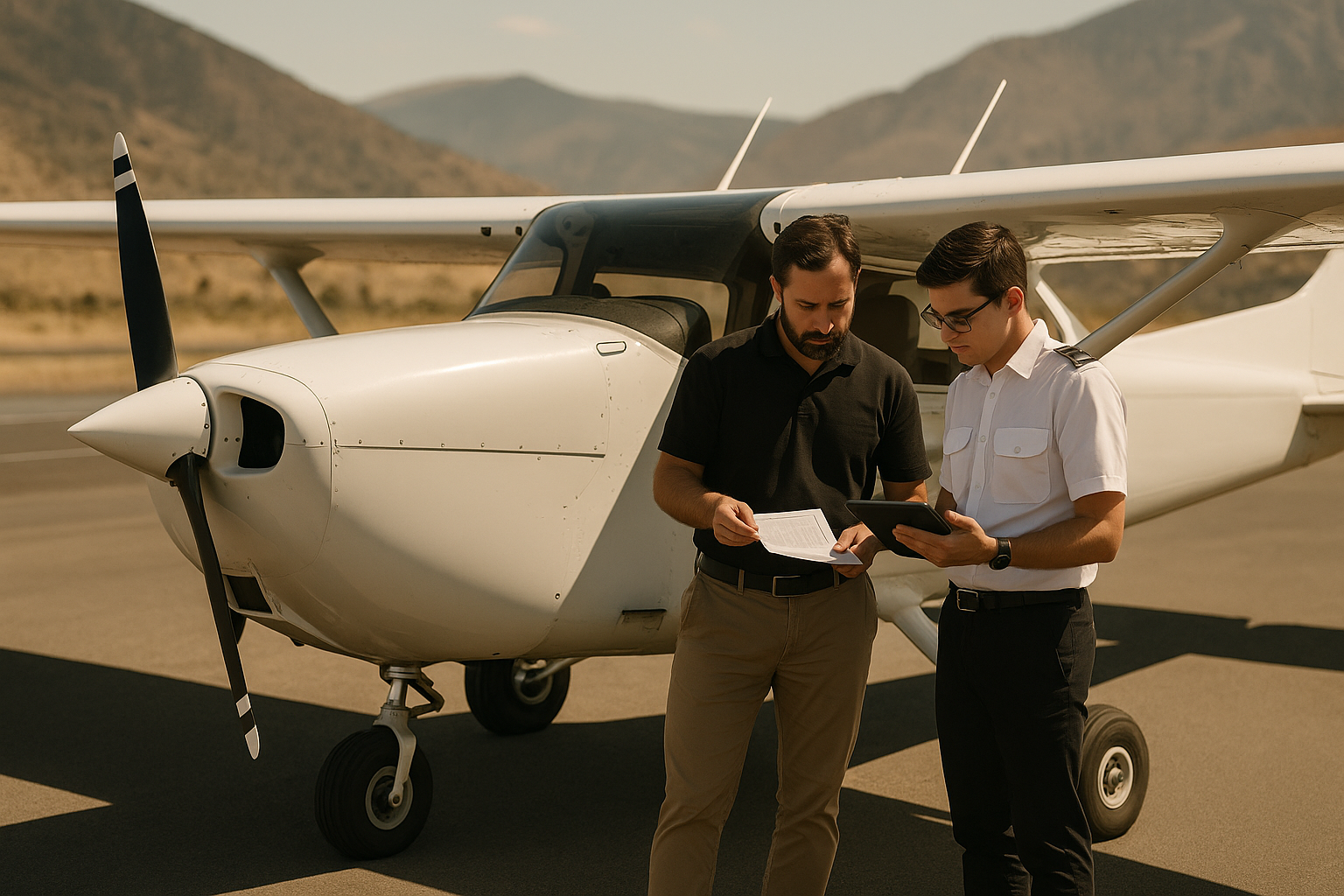
Density altitude is a core concept every pilot must master to operate safely and efficiently. Understanding density altitude helps pilots predict how an airplane will perform for takeoff, climb, landing, and maneuvering. This article explains density altitude in practical terms, connects the concept to pilot decision-making and training, and gives concrete techniques and scenarios you can use in the cockpit and on training flights.
Reading this will improve your preflight planning, inflight judgment, and ability to teach or brief others about performance limitations. The primary keyword "density altitude" appears early because it is the decision point for so many operational choices: runway selection, weight and balance decisions, mixture control, and go/no-go judgment. The guidance here is operational and aimed at pilots, student pilots, flight instructors, and aviation professionals.
What Density Altitude Means in Practical Terms
Density altitude is the pressure altitude adjusted for nonstandard temperature. It is a way to express the density of the air as an altitude in the standard atmosphere. When density altitude is high, the air is less dense; when density altitude is low, the air is denser. For pilots, density altitude is shorthand for how the airplane will perform compared with sea level standard conditions.
Air density affects three core areas of aircraft performance: the engine, the propeller (or rotor), and the wing. Less dense air reduces engine power output, decreases propeller thrust for a given RPM and pitch, and reduces wing lift for a given airspeed and angle of attack. The combined effect is longer takeoff rolls, reduced climb rates, and degraded single-engine performance in multi-engine aircraft.
Why This Matters in Real-World Aviation
Density altitude influences many routine and critical decisions. High density altitude is common at hot airports, mountainous regions, and at higher field elevations. For commercial operators, flight schools, and private pilots, failing to respect density altitude can convert a manageable takeoff into an emergency. Training flights that ignore density altitude reduce realism and can create dangerous habits, such as relying on short-field techniques without accounting for reduced climb capability.
Operationally, consider three everyday situations: a short-field departure from a high-elevation airport on a hot afternoon, a student pilot practicing stalls and takeoffs at a mountain airport, and a charter pilot carrying marginal payload into a hot valley. Each requires careful density altitude planning influenced by the aircraft's performance charts, runway length, obstacle environment, and pilot proficiency.
How Pilots Should Understand Density Altitude
Think of density altitude as the altitude at which the aircraft feels like it is operating. If your airplane at a 5,000-foot field on a hot day has a calculated density altitude of 8,000 feet, the airplane will perform roughly as if you were operating from an 8,000-foot airport on a standard day. The practical steps follow a simple pattern: calculate or look up density altitude, consult performance charts, and adjust weight, configuration, and techniques accordingly.
Calculating density altitude can be done three ways: using a flight computer or E6B, a density altitude calculator or app, or by referring to quick-reference charts. Many pilots use apps now, but it is good training to understand the manual method and know how barometric setting and temperature combine to change the value.
Remember the difference between pressure altitude and density altitude. Pressure altitude is the altitude based on a standard pressure reference and barometric setting. Density altitude is pressure altitude corrected for temperature nonstandardness. High temperature increases density altitude even if pressure altitude stays the same.
Key Factors That Raise Density Altitude
Field elevation: higher elevation equals higher density altitude all else equal.
Temperature: warmer air reduces density and increases density altitude.
Humidity: humid air is slightly less dense than dry air and can raise density altitude modestly; the effect is usually smaller than temperature or pressure changes but not zero.
Surface pressure: lower barometric pressure raises density altitude by increasing pressure altitude before temperature correction.
Effects on Engine, Propeller, and Wing
Engines produce less power because there is less oxygen per unit volume of air for combustion. Carbureted and fuel-injected engines both see reduced power with increasing density altitude. Turbocharged engines and engines with superchargers can mitigate some of this loss up to their critical altitudes, but pilots must still monitor manifold pressure and temperatures and follow manufacturer guidance.
Propeller efficiency decreases because the propeller moves less air mass for a given rotational speed and pitch. The result is reduced static thrust for takeoff and reduced acceleration in the initial climb.
The wing generates less lift because fewer air molecules pass over the wing per second at the same indicated airspeed. To generate the same lift, indicated airspeed remains the same, but true airspeed must increase. That higher true airspeed translates to longer takeoff roll and faster approach and touchdown speeds when referenced to groundspeed.
How to Use Performance Charts and POH Data
Always consult the aircraft performance tables in the pilot operating handbook or approved flight manual for the specific airplane you are flying. Those charts are built for particular weight, flap, and environmental conditions. The correct process is: determine pressure altitude and temperature, compute density altitude, then go to the POH chart that uses density altitude or correct for pressure altitude and temperature as the chart requires.
When using charts, ensure you match the aircraft configuration and assumptions used by the chart. Common variables include aircraft weight, flap setting, wind, runway slope, surface condition, and use of ground roll versus distance to clear a 50-foot obstacle. If wind or slope differs from the chart assumptions, apply the publisher's adjustment notes or use conservative judgment.
When charts provide numbers for takeoff distance or climb gradient, treat those values as best estimates for the conditions modeled. Do not assume a margin of safety beyond what the chart and your personal minimums provide. If you cannot meet required distances or climb gradients at the calculated density altitude, reduce weight, delay the flight, change to a cooler time of day, or select an alternate airport.
Common Mistakes and Misunderstandings
Pilots often make avoidable errors when dealing with density altitude. One frequent mistake is assuming indicated airspeed and aircraft handling remain unchanged. While indicated airspeed for stalls and maneuvers remains the same, true airspeed and ground speed change, influencing takeoff and landing distances and obstacle clearance.
Another error is relying solely on past experience at sea level. Techniques that work at lower density altitudes may be insufficient at high density altitudes. For example, short-field techniques applied without adjusting for reduced climb rate can leave you unable to clear obstacles even after an apparently normal liftoff.
Pilots sometimes neglect engine management. Running a lean mixture for cruise at high density altitude must be managed carefully for engine cooling and power. Conversely, operating too rich during takeoff can lower power further when you already have a performance penalty.
A training gap is failing to practice operations at the extremes of density altitude. Many training areas are near sea level; pilots trained only there can develop false confidence about climb capability and takeoff distance. Regularly include density altitude briefings and simulator or actual high-altitude practice in training syllabi.
Practical Example: A Hot Day Departure from a Mountain Airport
Imagine you are at a 5,500-foot airport on a mid-summer afternoon. The temperature is much warmer than standard. You calculate a density altitude significantly higher than field elevation. Before deciding to depart you should do the following: compute density altitude, consult the POH for takeoff distance and climb performance at the computed density altitude and your planned weight, and check obstacle clearance requirements for your departure path.
If the POH shows that takeoff distance or climb rate will be marginal, consider sensible mitigations. These include offloading weight, waiting for cooler temperatures, departing with early-morning conditions, selecting a runway with favorable slope and headwind component, or using a different airport. If you must depart, brief the crew and passengers about the performance limitations and ensure everyone understands the importance of rapid action in case of an engine problem after takeoff.
This scenario demonstrates how density altitude changes simple decisions like fuel and passenger load. It also shows how performance planning and conservative decision-making reduce operational risk.
Best Practices for Pilots
Adopt habits that reduce surprises and improve safety when density altitude matters. These practices apply whether you fly single-engine trainers, complex general aviation airplanes, turboprops, or helicopters.
Calculate density altitude during preflight and whenever conditions change significantly. Make it part of your standard weather and performance briefing.
Always consult the aircraft POH for the exact configuration, weight, and environmental conditions you expect. If charts do not directly provide a value, use the most conservative available estimate.
Plan margins for takeoff distance and climb. Factor in obstacles, runway slope, and possible downwind components.
Reduce weight when density altitude penalties are significant. That includes sensible fuel planning, cargo adjustments, and passenger briefings about limits.
Practice operations in a simulator or under instructor supervision to experience how the airplane behaves at high density altitudes without operational pressure.
Use mixture and engine management techniques adapted to the aircraft and conditions. Confirm recommended mixture settings from the POH and monitor engine instruments closely.
When in doubt, delay the flight or select an alternate. Conservatism in go/no-go decisions is an effective safety tool.
Training and Instructional Recommendations
Flight instructors should include density altitude scenarios in both ground and flight training. Ground briefings should cover how to calculate density altitude and how it changes performance. In the airplane, instructors can demonstrate the difference between standard-day and high density-altitude takeoffs and climbs, showing clearly how indicated and true airspeed diverge and how climb rates fall off.
Structured training flights to high-elevation airports or simulated high-density-altitude conditions help students and pilots internalize the concept. Instructors should debrief with an emphasis on decision-making: how the pilot chose weight, runway, and departure time, and what mitigations were selected when performance margins narrowed.
Common Operational Mitigations
Pilots and operators have several practical tools to manage high density altitude risk. Choose the combination that best fits the aircraft, mission, and operating environment.
Time of day: fly early morning or late evening when temperatures are lower.
Weight reduction: carry less fuel, cargo, or passengers when necessary and practical.
Runway selection: use longer runways and those with favorable slope and surface condition.
Use headwind: select runways that provide the maximum headwind component.
Delay or divert: when performance margins are inadequate, select an alternate airport or delay until conditions improve.
Tools and Technology
Modern tools make density altitude planning easier. Many electronic flight bags, avionics suites, and mobile apps compute density altitude automatically from field elevation, altimeter setting, and temperature. Some systems integrate POH performance tables and can give quick estimates of takeoff distance and climb performance. These tools are valuable, but pilots must understand their inputs, assumptions, and limitations.
Always verify that the app or device uses the correct pressure setting and that it accounts for runway slope, surface, and obstacles per the performance model. Cross-check digital results with manual E6B calculations or POH tables when planning for critical flights.
Common Misconceptions Clarified
Misconception: Indicated airspeed tells you total performance. Clarification: Indicated airspeed is key for stalls and maneuvering, but true airspeed and ground speed affect takeoff and landing distances and obstacle clearance. At high density altitude, true airspeed is higher for the same indicated speed.
Misconception: Engine instruments alone will tell the whole story. Clarification: Engine readings show internal performance, but they do not replace careful planning with density altitude and POH charts. Instruments can be a last-minute check but not the primary planning tool.
Misconception: Turbocharged aircraft are immune. Clarification: Turbocharged engines mitigate power loss up to their critical altitudes but do not eliminate the aerodynamic penalties at high density altitude. Consider both engine and aerodynamic performance.
Frequently Asked Questions
What is the simplest way to calculate density altitude?
The practical method for many pilots is to determine pressure altitude (set altimeter to 29.92 or read field pressure altitude), then correct for temperature above or below standard using a flight computer, app, or POH table. Many modern apps calculate density altitude when you enter field elevation, altimeter setting, and temperature.
How does density altitude affect stall speed?
Stall indicated airspeed remains the same for a given configuration, but the true airspeed at which the stall occurs is higher when density altitude increases. That means you will be moving faster over the ground at the moment of stall and on final approach, so plan for higher groundspeeds and longer landing rolls.
Can I use a sea-level POH for high-elevation operations?
No. Use the POH for the specific aircraft and consult the charts for the actual density altitude. Manufacturers often include tables or graphs that directly relate performance to density altitude or provide correction procedures for pressure altitude and temperature.
Does humidity matter?
Humidity affects density altitude, but its influence is smaller than temperature or pressure changes. Moist air is less dense than dry air, so very humid conditions slightly increase density altitude. For routine planning, focus on elevation and temperature, but recognize humidity is an additional factor in extreme conditions.
What should I brief passengers about density altitude?
Brief passengers on weight limits, the possibility of reduced climb performance, and what to expect during a long ground roll or higher-than-normal climb pitch. Clear communication helps manage expectations and supports safety actions if a problem occurs after liftoff.
Practical Training Exercise for Instructors
Design an instructional sortie that combines preflight planning and in-flight demonstration. Brief the student on calculating density altitude for the field and the expected POH performance. Conduct two takeoffs: one with simulated lower density altitude conditions, then one representing high density altitude using weight and time-of-day planning or, if available, a higher field elevation. Debrief differences in takeoff roll, rotation speed feel, climb rate, and landing rollout. Emphasize decision points such as whether to continue, abort, or change configuration before takeoff.
Key Takeaways
- Practical takeaway: Always calculate density altitude during preflight and consult the POH for the exact aircraft configuration and weight.
- Safety takeaway: When density altitude reduces performance margins, reduce weight, select cooler times of day, or delay the flight rather than relying on optimistic assumptions.
- Training takeaway: Instructors should include density altitude scenarios in both ground and flight training so pilots experience and internalize its real effects on climb, takeoff, and landing.
Density altitude is not an abstract meteorological term. It is a direct, operational variable that pilots must manage. With thoughtful planning, conservative decision-making, and recurrent training, pilots can reduce the hazards associated with high-density-altitude operations and operate safely across a wide range of environments.