
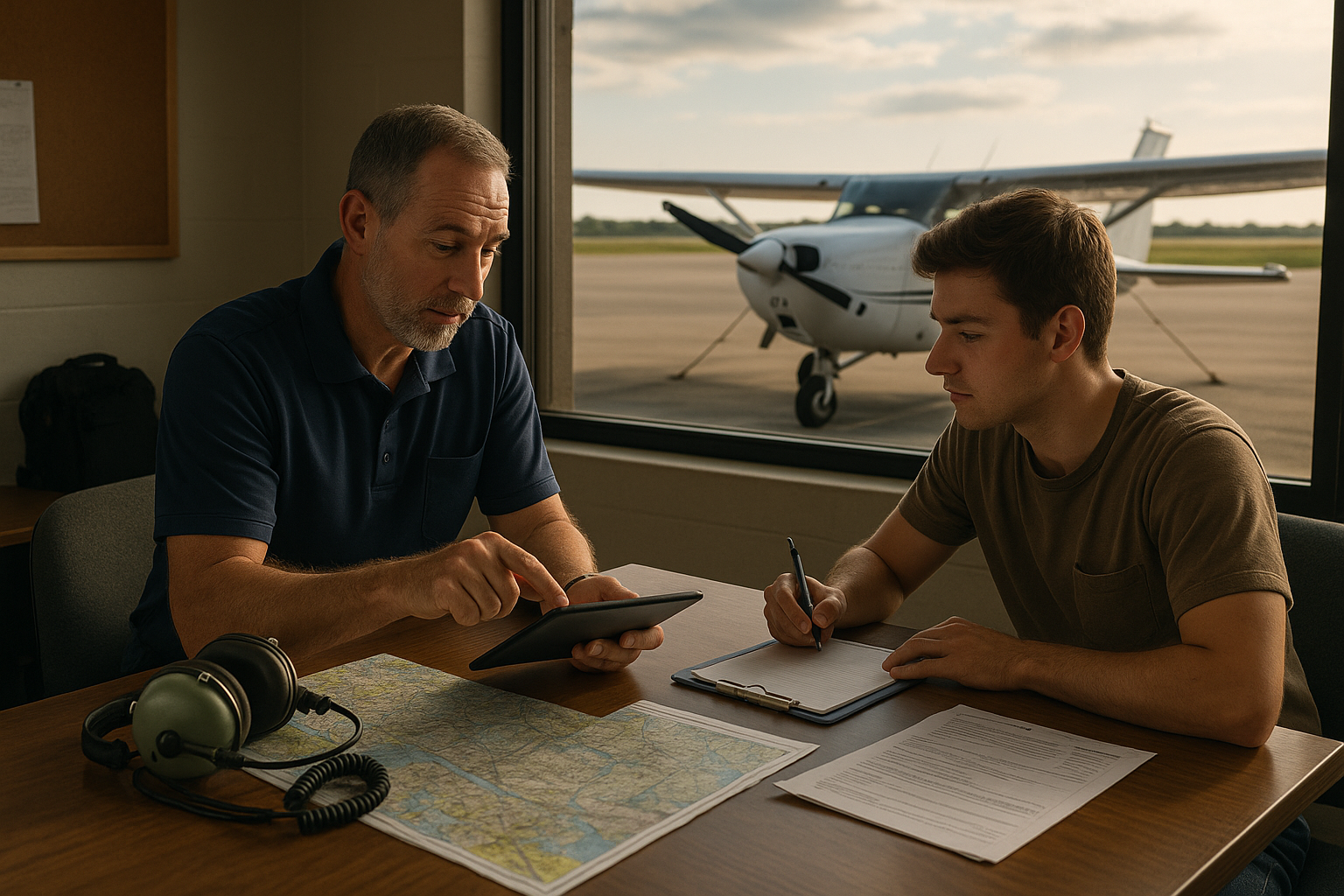
Creating a workable flight training schedule is one of the most important decisions a student pilot or training provider makes. A clear flight training schedule shapes learning, safety, aircraft availability, instructor workload, and ultimately the speed and quality of pilot skill acquisition. Whether you are a student organizing lessons, an instructor managing multiple trainees, or a flight school building a curriculum, deliberate scheduling improves retention, reduces risk, and makes progress measurable.
This article explains how to design an effective flight training schedule that balances learning psychology, operational constraints, weather and maintenance realities, and pilot safety. You will find practical guidance for session frequency and duration, syllabus alignment, contingency planning, instructor and aircraft coordination, and tips for maintaining momentum. The primary keyword, flight training schedule, appears early because pacing and frequency are central to skill retention and safe flying practice.
Core principles of an effective flight training schedule
An effective flight training schedule is built on predictable structure, realistic pacing, and robust contingencies. Predictability helps students and instructors prepare mentally and logistically. Realistic pacing accounts for learning curves, weather disruptions, and human performance limits. Contingency planning accepts that aircraft maintenance, instructor illness, or poor weather will disrupt even the best-laid plans, and builds flexibility into the schedule.
Four underlying principles guide most successful training schedules: spaced practice, progressive complexity, consistency, and safety-first flexibility. Spaced practice means repeating skills at regular intervals to strengthen long-term retention. Progressive complexity sequences lessons from simpler tasks to advanced maneuvers. Consistency keeps sessions frequent enough that skills do not degrade between lessons. Safety-first flexibility recognizes that pushing through risky weather, fatigue, or an ill-prepared student undermines training and safety.
Why this matters in real-world aviation
Flight training does not occur in a vacuum. Training schedules affect aircraft dispatch, instructor utilization, airport operations, and a student's readiness to make safe operational decisions. Poor scheduling can create cascade risks: a student forced to cram many hours after long gaps, or frequent cancellations that leave students without meaningful progression. Both situations risk poor judgment, increased workload, and higher error rates in the cockpit.
Operationally, a predictable schedule eases maintenance planning and improves aircraft availability. For instructors and flight schools, efficient scheduling reduces idle time and improves throughput without sacrificing quality. From a safety perspective, a schedule that respects human factors such as fatigue, weather limits, and recent experience reduces the chance of incidents caused by skill decay or rushed decision-making.
How pilots and instructors should understand a flight training schedule
A flight training schedule is less a rigid prescription and more a framework for progressive skill development. Understand it as a living plan that balances three elements: pedagogical needs, operational constraints, and safety margins. The pedagogical element maps training objectives to lesson content and sequencing. The operational element accounts for aircraft and instructor availability, cost considerations, and airport resources. The safety margin builds time for weather delays, recovery from missed lessons, and consolidation flights when skills need reinforcement.
For students, think of your schedule as a personal learning roadmap. It should have frequent, achievable milestones and enough repetition to lock in basic aircraft control before introducing advanced tasks. For instructors and schedulers, aim to match student readiness with lesson complexity, and allow buffer sessions for review and remediation. For flight schools and ops managers, measure schedule effectiveness by completion rates, training continuity, instructor satisfaction, and aircraft utilization metrics.
Key scheduling elements and recommendations
Below are practical considerations when building a schedule. These are general recommendations grounded in training practice and pilot human factors. Because regulatory and local operational requirements vary, treat these as training best practices rather than mandatory rules.
Session frequency and spacing
Frequent, shorter sessions typically outperform infrequent, very long lessons. Regular exposure—multiple sessions per week—supports memory consolidation and skills retention. Spaced practice reduces total training time by preventing the need to re-teach forgotten skills. In contrast, long gaps between sessions increase the instructor's time spent on review and decrease training efficiency.
Session duration and intensity
Session length should match training objectives and human performance limits. For primary control and procedural lessons, moderate durations keep attention and reduce fatigue. For advanced cross-country planning or complex instrument procedures, longer sessions may be appropriate but include deliberate breaks. Avoid overly long single-day sessions that can produce fatigue and superficial learning.
Lesson sequencing and progressive complexity
Sequence lessons so that students master fundamental aircraft handling and simple procedures before moving to cross-country navigation, emergency procedures, and advanced maneuvering. Reinforce foundational skills periodically. Progression should be competence-based: move to the next task when the student demonstrates consistent, safe performance, not merely after a set number of hours.
Integration of ground and flight instruction
Align ground lessons with upcoming flight tasks. Preflight briefings and postflight debriefings are essential learning moments. Ground study that directly supports the next flight saves in-flight time and reduces cognitive load during flight. Use simulators or desktop briefings to rehearse complex procedures before attempting them in the aircraft.
Use of simulators and training devices
Leverage simulators and procedures trainers to practice procedures, cockpit flows, and emergency scenarios. These tools allow repetition in a low-risk environment and free aircraft time for handling and navigation practice. Schedule simulator sessions ahead of flights that require procedural accuracy or emergency procedure rehearsal.
Weather, maintenance, and contingency planning
Design schedules with contingency blocks. Use alternating days or reserve makeup windows for inclement weather and maintenance issues. Communicate clearly with students about backup options and policies for cancellations. Maintain flexibility to switch ground and simulator sessions into canceled flight slots when appropriate.
Instructor and aircraft matching
Match student progression speed to instructor experience and teaching style. For example, newer instructors may be excellent at initial handling training but less efficient for advanced instrument work. Likewise, assign aircraft that fit the student's stage. High-performance or complex airplanes can be reserved for advanced training, while primary trainers should be used for fundamentals.
Common mistakes or misunderstandings
Misunderstandings about scheduling often lead to training delays, wasted resources, or safety risks. Below are common errors and the rationale for avoiding them.
Infrequent, long lessons instead of frequent short sessions
Many students attempt to save money by scheduling long, infrequent lessons. This commonly increases overall training time because skill decay between sessions requires more review. Frequent, shorter sessions maintain momentum and reduce the time needed to reach competency.
Ignoring human factors and fatigue
Scheduling back-to-back high-intensity lessons without considering fatigue undermines learning and safety. Fatigue degrades judgment and motor skills. Build rest into the schedule, avoid late-day high-workload flights after demanding ground tasks, and encourage honest assessment of fitness to fly.
Poor contingency planning for weather and maintenance
Not scheduling makeup windows or alternate activities causes lost training time. Effective plans include flexible blocks for simulator work, ground lessons, or rescheduled flights. Failure to plan leads to rushed makeups that compromise learning quality.
Over-scheduling at the expense of reflection and debrief
Some training plans prioritize flight time totals without allocating enough time for comprehensive debrief and reflection. Postflight debrief consolidates learning, corrects misconceptions, and sets targeted objectives for the next session. Without it, mistakes can become reinforced habits.
Practical example: planning a three-month progression with built-in flexibility
The following scenario illustrates how to translate these principles into a working plan. The example focuses on pacing, milestones, and contingency planning rather than specific regulatory hour counts. Adjust the rhythm to local availability and individual progress.
Scenario: A motivated student aims to complete primary training milestones in approximately three months, training while balancing work commitments. The student has access to weekday evening slots and two weekend half-days.
Week 1 to 2: Establish baseline skills and routines. Schedule three short sessions per week focused on fundamentals: preflight procedure, basic aircraft control, radio communications, and simple traffic patterns. Use ground briefings before each flight and short debriefs after each sortie to set measurable objectives for the next lesson.
Weeks 3 to 6: Increase complexity and introduce cross-country planning. Keep a rhythm of two to three sessions per week, adding one simulator or thorough ground session per week to rehearse navigation and emergency procedures. Reserve one weekend session for a longer sortie to practice cross-country planning and fuel management. Maintain at least one makeup window every two weeks for weather or maintenance downtime.
Weeks 7 to 9: Consolidate instrument scans, emergency procedures, and night operations if applicable. Mix simulator sessions targeted at specific emergency scenarios with flight lessons that emphasize decision-making under realistic workload. Introduce scenario-based flights that require planning, weather assessment, and fuel management. Monitor for fatigue and schedule rest days accordingly.
Weeks 10 to 12: Focus on assessment readiness and checklist discipline. Use the last weeks to polish weak areas identified during debriefs and consolidate flying currency. Schedule buffer days for additional practice, and simulate evaluation conditions during at least one full-day session where possible.
Throughout: Use a shared calendar and a simple tracking tool to note lesson objectives, student performance markers, weather impacts, and maintenance-induced cancellations. Communicate changes immediately. If a flight is canceled, switch to a simulator or ground lesson with equivalent training value rather than simply losing the session.
Best practices for pilots and instructors
Adopt these best practices to make scheduling practical, safe, and effective.
- Schedule lessons frequently enough to prevent skill decay; aim for consistent sessions rather than sporadic bursts.
- Align ground briefings directly with in-flight objectives; prepare and debrief deliberately.
- Use simulators proactively to rehearse procedures and emergencies when aircraft time is limited.
- Build contingency blocks and communicate cancellation policies clearly.
- Match students to instructors and aircraft by training stage to maximize learning efficiency.
- Track progress with objective markers: completed tasks, demonstrated competencies, and skill consistency rather than only time or exposure.
- Respect human factors: limit high-workload flight segments when fatigue is present and encourage honest fitness-to-fly assessments.
Frequently Asked Questions
How often should I fly to retain skills during training?
Frequent sessions are generally better. Multiple short sessions per week maintain momentum and reduce the need for review. If frequent flights are not possible, supplement with simulator sessions and focused ground study to bridge gaps.
What should I do when a flight is canceled for weather or maintenance?
Use canceled flight time productively. Swap in a simulator session, conduct a thorough ground briefing, practice emergency procedures, or review navigation planning. Having defined backup activities preserves training value and keeps students engaged.
How long should a typical lesson last?
Lesson length should match the learning objective and account for fatigue. For many fundamental skills, moderate-length sessions keep attention high and learning efficient. Complex procedures or cross-country flights may warrant longer blocks but include deliberate breaks and a rigorous debrief.
Can simulator time replace actual flight time?
Simulators are excellent for procedure practice, instrument scan proficiency, and emergency rehearsals. They complement aircraft time effectively but should not fully replace hands-on flight experience, particularly for basic handling and traffic pattern proficiency.
How should instructors handle students who progress at different rates?
Adopt a competence-based approach. Adjust lesson objectives and pacing to each student's demonstrated performance. Provide remedial sessions focused on weak areas and accelerate progression when the student demonstrates consistent proficiency.
How to measure schedule effectiveness
Evaluate schedules by tracking measurable outcomes rather than just time in the aircraft. Useful metrics include the rate of task completion, the number of remedial sessions required, student confidence and decision-making quality during flights, instructor and student satisfaction, and aircraft utilization efficiency. Use regular reviews to adjust scheduling templates to local operational realities.
Key Takeaways
- Practical takeaway: Frequent, appropriately paced sessions with aligned ground briefings and simulator work maximize learning and reduce total training time.
- Safety takeaway: Build contingency windows, avoid scheduling that induces fatigue, and prioritize safe decision-making over completing a planned slot.
- Training/operational takeaway: Match students, instructors, and aircraft to training stages and use objective performance markers to guide progression rather than relying solely on time-based metrics.
Designing a flight training schedule takes coordination, realistic pacing, and an emphasis on learning quality. Treat the schedule as a living document and adapt it as students develop. With intentional structure and flexible contingencies, training becomes more efficient, safer, and more rewarding for students and instructors alike.