
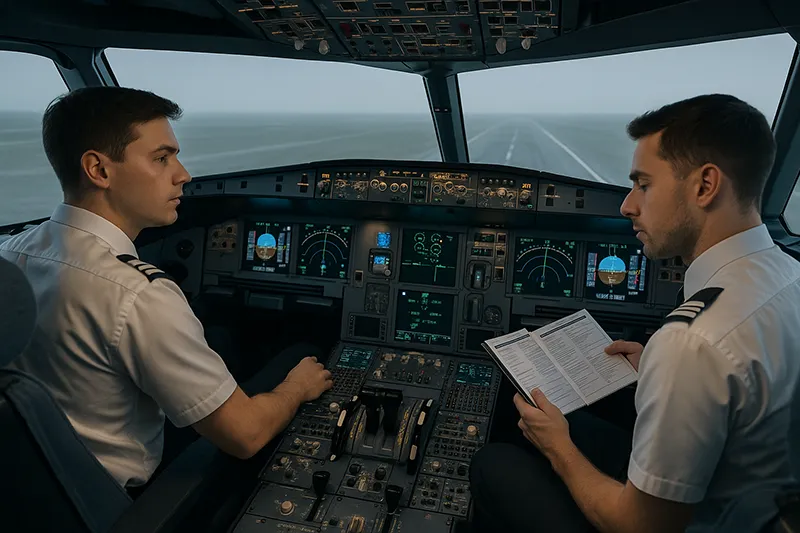
Airline cadet programs are one of the most structured paths into professional airline flying, and preparing for them requires focused training, professional habits, and strategic decision-making. Whether you are a student pilot, a flight instructor advising candidates, or an aviation professional planning a transition, understanding how to prepare for airline cadet programs improves your chances during selection and sets you up for a safer, more successful training pathway.
This article explains what cadet programs typically assess, how to build the right competencies, and how to present yourself as a professional pilot candidate. The guidance below prioritizes operational understanding, training relevance, and safety thinking. Specific airline requirements vary, so view this as a practical, skills-focused roadmap rather than a universal checklist.
What Airline Cadet Programs Assess
Cadet selection processes are designed to evaluate a candidate's flying ability, cognitive skills, interpersonal traits, and professional potential. Most programs break assessment into several areas: technical knowledge and airmanship, psychometric and cognitive testing, simulator or assessment-centre flying tasks, and interview-based evaluation of motivation and professionalism.
Technical knowledge covers basic aerodynamics, flight instruments, regulations, and operational procedures. Assessors want to know that you think like a safe pilot and can apply principles when conditions are not ideal. Psychometric tests measure decision-making under pressure, situational awareness, and personality traits relevant to crew coordination and safety culture. Simulator exercises or practical flying tasks evaluate control technique, procedural discipline, and how you manage unexpected events. Interviews and group exercises reveal communication style, leadership potential, and commitment to the airline's values.
Why This Matters in Real-World Aviation
Airline cadet programs are not just a recruitment exercise. They are an early filter that identifies pilots who can transition from initial flying skills to the complex environment of airline operations. Airlines invest in cadets with the expectation they will become reliable first officers and later captains. Candidates who demonstrate strong procedural discipline, good risk management, and effective communication reduce training time and safety risk during type rating and line training.
Preparing properly also affects long-term career momentum. Candidates who enter cadet programs with solid instrument experience, structured study habits, and cockpit resource management skills tend to progress faster through airline training phases and adapt better in high-workload situations such as bad weather, system failures, and busy airspace.
How Pilots Should Understand This Topic
Preparing for an airline cadet program requires aligning flying skills with airline expectations. That means three things: build dependable flying fundamentals, practice high-integrity decision-making, and develop professional behaviors that reflect airline operations.
Dependable flying fundamentals include accurate control of the aircraft, precise approach and landing technique, consistent scan and instrument cross-check habits, and disciplined use of checklists. For instrument flying, focus on stable instrument scan, recovery from unusual attitudes, and procedural approaches including non-precision and precision procedures where available.
Decision-making is critical. Interviewers and assessment-centres will look for candidates who identify hazards early, consider options, and make defensible choices rather than impulsive or indecisive responses. Use a structured approach to decisions: identify the problem, list options, evaluate risks and mitigations, decide, and then monitor outcomes. Demonstrating this structure in practical exercises and interviews shows that you can operate within airline systems that rely on standard operating procedures.
Professional behaviors cover communication, teamwork, presentation, and time management. Present yourself as someone who can follow procedures, accept feedback, and work constructively in a multi-crew environment. That includes attention to uniform standards, punctuality, clear and concise briefings, and respectful interaction with assessors and fellow candidates.
Core Competencies to Develop Before Applying
Focus on accomplishing demonstrable competencies rather than ticking off arbitrary hour targets. Airlines often look for the following areas of capability:
- Instrument flying proficiency - being able to fly precise instrument procedures, manage autopilot and navigation systems, and recover from unusual attitudes.
- Multi-crew mindset - clear briefings, proper use of sterile cockpit, cross-checks, and CRM (cockpit resource management) skills.
- Procedural discipline - consistent use of checklists, callouts, and standard radio phraseology appropriate for airspace where you intend to operate.
- Regulatory and operational knowledge - a practical grasp of airspace classifications, basic performance planning, weather interpretation, and the operational implications of NOTAMs and ATC clearances.
- Simulator and assessment practice - exposure to scenario-based flying in a simulator environment, if available, to build familiarity with multi-crew flows and assessment formats.
Concentrating training around these competencies gives you a coherent message to convey during interviews and performance exercises.
Preparing Your Application and Professional Profile
Your application materials are often the first impression. A clear, concise CV that highlights progressive responsibility, training milestones, and relevant non-flying experience matters. Include flight instructor experience, leadership roles, technical or systems knowledge, language proficiency, and any airline-relevant training modules you have completed.
Prepare a short professional statement about why you want an airline career. Be specific about operational motivations, not generic statements about loving flights. Mention the airline's network, fleet type, or training philosophy only if you know those details accurately. Avoid exaggeration; assessors look for credibility and integrity.
Common Mistakes or Misunderstandings
Candidates often make predictable mistakes during preparation and selection. Recognizing these pitfalls helps prioritize training and behavior.
One common error is focusing on total flight hours rather than the quality and relevance of experience. Accumulating hours in poorly structured training without instrument exposure or multi-crew practice can leave skill gaps. A purposeful training plan that builds instrument competency, cross-country planning, and complex aircraft handling yields stronger results.
Another misunderstanding is treating psychometric tests as trivia. These assessments measure cognitive styles and teamwork potential. Trying to second-guess answers rarely helps. Instead, work on situational awareness, stress-management strategies, and consistent decision-making approaches so your natural responses align with safe, professional behavior.
Overpreparing for technical memorization at the expense of practical skill is another trap. Airline environments stress applying knowledge under time pressure. Train in scenarios that simulate workload and require prioritization. Demonstrating calm, systematic responses under time pressure is more valuable than reciting facts.
Practical Example: Preparing Over a 12-Month Period
Below is a realistic training and preparation timeline that emphasizes competence, not arbitrary numbers. Adapt it to your starting point and the requirements of the programs you target.
Months 1-3: Consolidate fundamentals. Focus on instrument procedures, precision of control, and consistent checklist use. If you are a flight instructor, use training flights to practice scenario-based instruction and evaluate your own decision-making under simulated failures.
Months 4-6: Build multi-crew and CRM skills. If you can access a multi-crew simulation, practice flows, briefings, and role-playing exercises. Join study groups for airline operations topics and begin structured CV preparation and interview practice with peers or mentors who know airline selection formats.
Months 7-9: Exposure to assessment formats. Familiarize yourself with psychometric test styles and practice computer-based situational judgment tests. Conduct mock assessment days that include group exercises and simulator-based problem-solving. Record and review debriefs to identify patterns in your communication and decision-making style.
Months 10-12: Polish and present. Finalize your application materials, refine your uniform and presentation, and rehearse interviews and briefings. Schedule refresher flights focused on the kinds of tasks you expect during simulator assessments. Plan logistics for selection day travel, rest, and paperwork so you arrive prepared and rested.
This timeline provides structure but remains flexible. Some candidates require more instrument training; others benefit from extended CRM practice. Use real feedback from instructors and mentors to refine the plan.
Assessment-Day Preparation
On selection day, operational discipline and presence are as important as flying skill. Practical preparations include ensuring you have all necessary identity documents, up-to-date licenses or medical certificates if requested, and a professional outfit that meets the airline's standards.
Mental preparation is equally important. Use a simple pre-assessment routine to manage stress: sleep well the night before, hydrate, and perform a short breathing or focus exercise prior to assessments. Treat each task as an opportunity to demonstrate consistent, systematic thinking rather than trying to impress with flashy maneuvers.
Training and Study Resources
Choose study resources that emphasize operational thinking. Useful materials include instrument flying manuals, airline operations textbooks, CRM training modules, and scenario-based simulator syllabi. If you are pursuing theoretical exams required by a licensing authority, integrate those studies with practical flight tasks so you can apply concepts during assessments.
Mentors and instructors are a high-value resource. Seek out current or former airline pilots for mock interviews and assessment coaching. Their experience with selection centers and airline expectations provides perspective that purely academic study cannot replicate.
Common Safety Risks and How to Address Them
Prepare with safety in mind, not only to pass selection but to build habits that persist into airline operations. A few recurrent safety risks among cadet candidates include rushed decision-making, poor cross-check habits, and overreliance on automation without proper monitoring.
Manage these risks by practicing scenario-based flying that intentionally degrades systems or increases workload so you learn to prioritize tasks. Regularly rehearse basic hand-flying skills so you remain capable when automation is reduced. Cultivate neutral, clear communication to avoid misunderstandings that can escalate into operational problems during line training.
Best Practices for Pilots Preparing for Cadet Programs
Practical habits and decisions that pay off during selection and beyond:
- Train with purpose: set learning objectives for each flight and debrief them critically.
- Practice crew communication: briefings, callouts, and sterile-cockpit discipline are noticeable and transferable.
- Use scenario-based practice: include failures, diversions, and system malfunctions in recurrent training.
- Document training and feedback: keep a tidy record of endorsements, instructor notes, and areas targeted for improvement.
- Build a professional network: mentors, former cadets, and airline pilots can provide realistic feedback and guidance.
Frequently Asked Questions
How important are flight hours when applying to cadet programs?
Quality matters more than raw hours. Airlines evaluate whether your experience demonstrates the competencies they want: instrument flying, cross-country planning, instructional ability, and consistent procedural discipline. Present your experience to highlight relevant skills rather than just totals.
Do I need multi-crew experience before applying?
Multi-crew experience is valuable because it shows you can operate and communicate within a team. If you cannot access a multi-crew aircraft, seek multi-crew simulation practice, instructor-led role plays, or CRM courses that simulate multi-crew flows.
How should I prepare for psychometric and aptitude tests?
Practice familiarization rather than trying to memorize correct answers. Use sample situational judgment tests, work on time management, and practice structured decision-making. Feedback from mock tests helps align natural responses with safe, procedural behavior.
What role does medical fitness play in cadet selection?
Medical fitness is an operational requirement for airline operations. Ensure you understand the medical standards applicable in the jurisdiction where you will operate and address any concerns proactively with an aviation medical examiner. Do not rely on self-assessment for medical eligibility.
How can flight instructors best support cadet candidates?
Instructors should focus on scenario-based exercises, build instrument and multi-crew communication skills, give honest feedback on professionalism and CRM, and help candidates prepare for the non-technical aspects of selection such as interviews and group exercises.
Practical Interview and Group Exercise Tips
Interviews and group tasks probe your motivations, situational judgement, and teamwork. In interviews, answer clearly and concisely, support statements with examples from training or work, and show reflective learning from past mistakes. In group exercises, lead when appropriate but avoid dominating. Facilitate a collaborative decision process so assessors can see your crew-oriented thinking.
Transitioning from Cadet to Airline Line Training
Acceptance into a cadet program is the start of a longer process. Maintain the habits you developed during preparation: rigorous briefing and debriefing, procedural discipline, CRM, and continuous learning. During type rating and line training, your ability to integrate training feedback rapidly and operate consistently in the airline environment determines how quickly you become operationally effective.
Key Takeaways
- Practical takeaway: Focus on instrument proficiency, procedural discipline, and CRM rather than only accumulating flight hours.
- Safety takeaway: Train under realistic scenarios that increase workload and include system degradation to build prioritization and risk management skills.
- Training and decision-making takeaway: Use structured decision processes, documented training goals, and mentor feedback to demonstrate professional growth.
Preparing for airline cadet programs is about cultivating a pilot mindset that aligns with airline operations: calm under pressure, disciplined in procedures, and effective in teamwork. Build relevant competencies, practice in realistic scenarios, and present a professional, reflective profile. With deliberate preparation you will not only improve your selection prospects but also start your airline career with a foundation of safe, operationally useful skills.