
Appendices 5: Three-P Risk Management Process
Good aeronautical decision-making includes risk management, a process that systematically identifies hazards, assesses the degree of risk, and determines the best course of action. There are many models for risk management, including charts that generate a numerical “score.” Although these tools can be useful, numbers-based tools suggest a level of precision that may be misleading.
An alternative method is the Perceive – Process – Perform risk management and aeronautical decision-making model developed by the FAA Aviation Safety Program. There are three basic steps in this model:
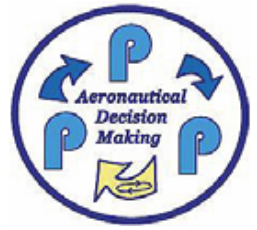
- PERCEIVE hazards
- PROCESS to evaluate level of risk
- PERFORM risk management
PERCEIVE: The goal is to identify hazards, which are events, objects, or circumstances that could contribute to an undesired event. You need to consider hazards associated with:
Pilot
Aircraft
enVironment
External Pressures.
PROCESS: Ask questions to determine what can hurt you. In short, why do you have to CARE about these hazards?
- What are the Consequences?
- What are the Alternatives available to me?
- What is the Reality of the situation facing me?
- What kind of External pressures may affect my thinking?
PERFORM: Change the situation in your favor. Your objective is to make sure the hazard does not hurt ME or my loved ones, so work to either
Mitigate the risk involved, or
Eliminate the risk involved.