
Chapter 7
Automation & Flight Path Management
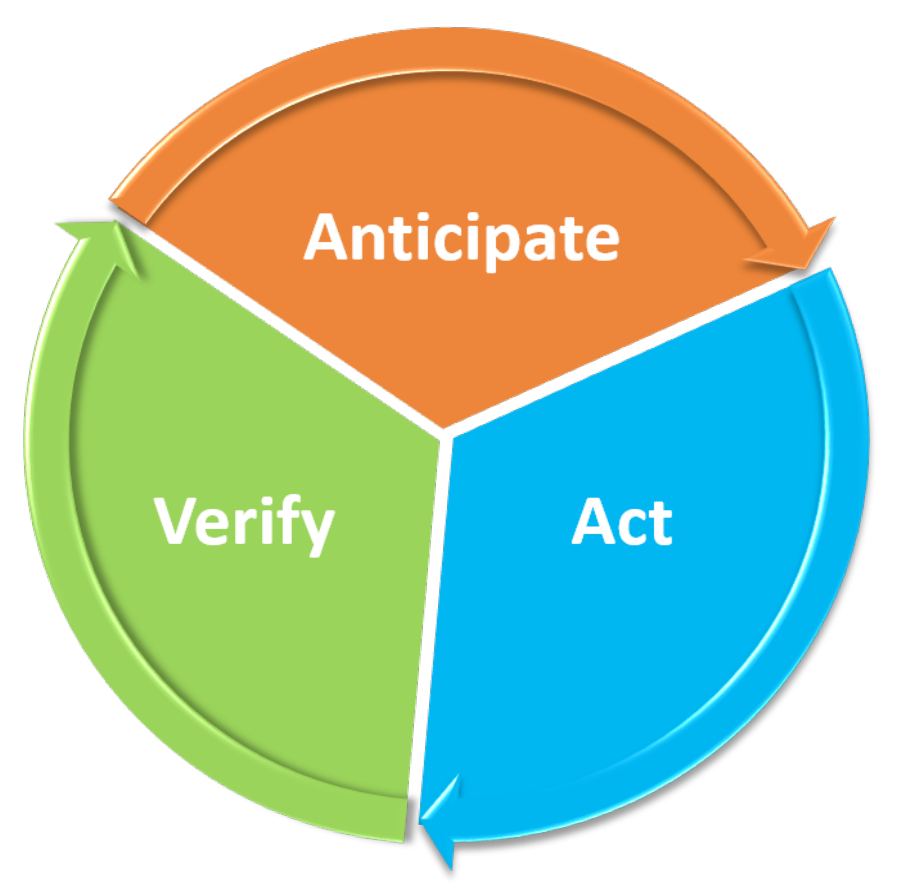
Understanding autopilot function and logic allows the pilot to anticipate, act, and verify the autopilot performs as expected. Figure 7-3 shows a typical flight mode annunciator displayed on the primary flight display (PFD) of a general aviation integrated flight deck. A pilot without adequate training may not anticipate that a change or disruption of the navigation source may reduce the level of automation, and horizontal flight path control may default to wings level mode. If this should occur unexpectedly, it could lead to increased workload, confusion, or result in an undesired aircraft state.

Failure to Anticipate, Act, & Verify
Automation offers increased safety with enhanced situational awareness. However, these systems make it possible for a pilot to become complacent, unprepared, or lose situational awareness. If this occurs and an unexpected change in flight plan is needed, workload and confusion may suddenly increase.
In a 1995 fatal accident in Colombia, a flight crew was unexpectedly cleared for an approach, lost situational awareness, and crashed into mountainous terrain. The accident summary cites failure of the flight crew to revert to basic radio navigation at the time when the FMS-assisted navigation became confusing and created an excessive workload in a critical phase of the flight. The system flew on a programmed path into a mountain, resulting in many fatalities. A narrative of the accident is available [here](http://www.ntsb.gov/_layouts/ntsb.aviation/brief2.aspx?ev_id=20001207X04990&ntsbno=DCA96RA020&akey=1).
As part of a lack of situational awareness, the workload and confusion resulted in the crew failing to retract the aircraft speed brakes when they became aware of the terrain ahead and after adding full thrust. This prevented the aircraft from climbing above the slope of the mountain ahead.
Integrated Flight Path Automation Systems
Use of automation is an excellent risk control measure when flying in a variety of flight environments where the pilot has a high workload. For example, autopilots are often very useful during complex single-pilot operations. While the use of automation helps reduce risks associated with other hazards, a lack of proficiency with automation may become its own hazard and introduce unique risks. While pilots often rely on the autopilot, they also need to be able to fly the aircraft manually within appropriate standards.
Pilots should train and practice using automation under VFR with an appropriately qualified and knowledgeable flight instructor before attempting IFR flight. In addition, using a flight simulation training device provides the opportunity to practice and repeat automation procedures with a simulated high workload. Through appropriate training and practice, pilots learn to operate autopilot systems with ease and in a routine manner.
Knowledge of system limitations and operating restrictions is also important. Pilots should know emergency procedures pertaining to disconnecting the autopilot as well as being able to locate appropriate checklists. Reviewing the system documentation and aircraft flight manual supplements helps develop this knowledge.
Chapter Summary
The increased use of automated systems, autopilots, and integrated flight decks help pilots manage an aircraft’s flight path. While an autopilot is engaged, a pilot’s attention should not disengage. Pilots need to maintain situational awareness and appropriate focus on the progress of the flight at all times. Balancing the use of automation with manual flying skills is necessary in case a particular situation requires pilot intervention. Using automation proficiently and at the appropriate level reduces risk and helps prevent incidents and accidents.