
Chapter 14
Human Factors
Computer Science
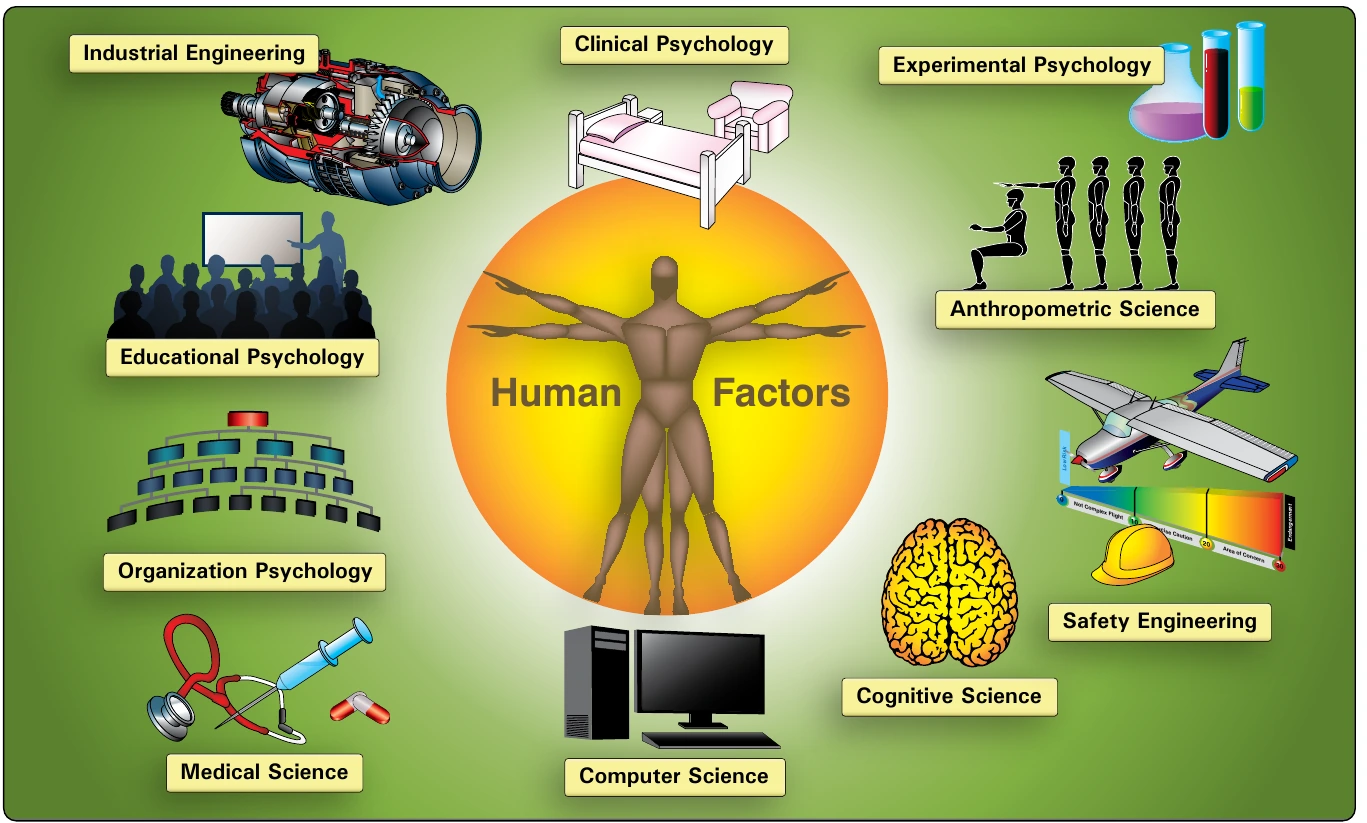
The technical definition for computer science is the study of the theoretical foundations of information and computation and of practical techniques for their implementation and application in computer systems. Yet how this relates to aviation maintenance is simpler to explain. As mentioned earlier, AMTs spend as much time documenting repairs as they do performing them. It is important that they have computer work stations that are comfortable and reliable. Software programs and computer-based test equipment should be easy to learn and use, and not intended only for those with a high levels of computer literacy.
Cognitive Science
Cognitive science is the interdisciplinary scientific study of minds as information processors. It includes research on how information is processed (in faculties such as perception, language, reasoning, and emotion), represented, and transformed in a nervous system or machine (e.g., computer). It spans many levels of analysis from low-level learning and decision mechanisms to high-level logic and planning. AMTs must possess a great ability to problem solve quickly and efficiently. They are constantly required to troubleshoot situations and quickly react to them. This can be a vicious cycle creating an enormous amount of stress. The discipline of cognitive science helps us understand how to better assist AMTs during situations that create high levels of stress so that their mental process does not get interrupted and affect their ability to work.
Safety Engineering
Safety engineering ensures that a life-critical system behaves as needed even when the component fails. Ideally, safety engineers take an early design of a system, analyze it to find what faults can occur, and then propose safety requirements in design specifications up front and changes to existing systems to make the system safer. Safety cannot be stressed enough when it comes to aviation maintenance, and everyone deserves to work in a safe environment. Safety engineering plays a big role in the design of aviation maintenance facilities, storage containers for toxic materials, equipment used for heavy lifting, and floor designs to ensure no one slips, trips, or falls. In industrial work environments, the guidelines of the Occupational Safety and Health Administration (OSHA) are important.
Medical Science
Medicine is the science and art of healing. It encompasses a variety of health care practices evolved to maintain and restore health by the prevention and treatment of illness. Disposition and physical well-being are very important and directly correlated to human factors. Just like people come in many shapes and sizes, they also have very different reactions to situations due to body physiology, physical structures, and biomechanics.
Organizational Psychology
Organizational psychologists are concerned with relations between people and work. Their interests include organizational structure and organizational change, workers’ productivity and job satisfaction, consumer behavior, and the selection, placement, training, and development of personnel. Understanding organizational psychology helps aviation maintenance supervisors learn about the points listed below that, if exercised, can enhance the work environment and productivity.
- Rewards and compensations for workers with good
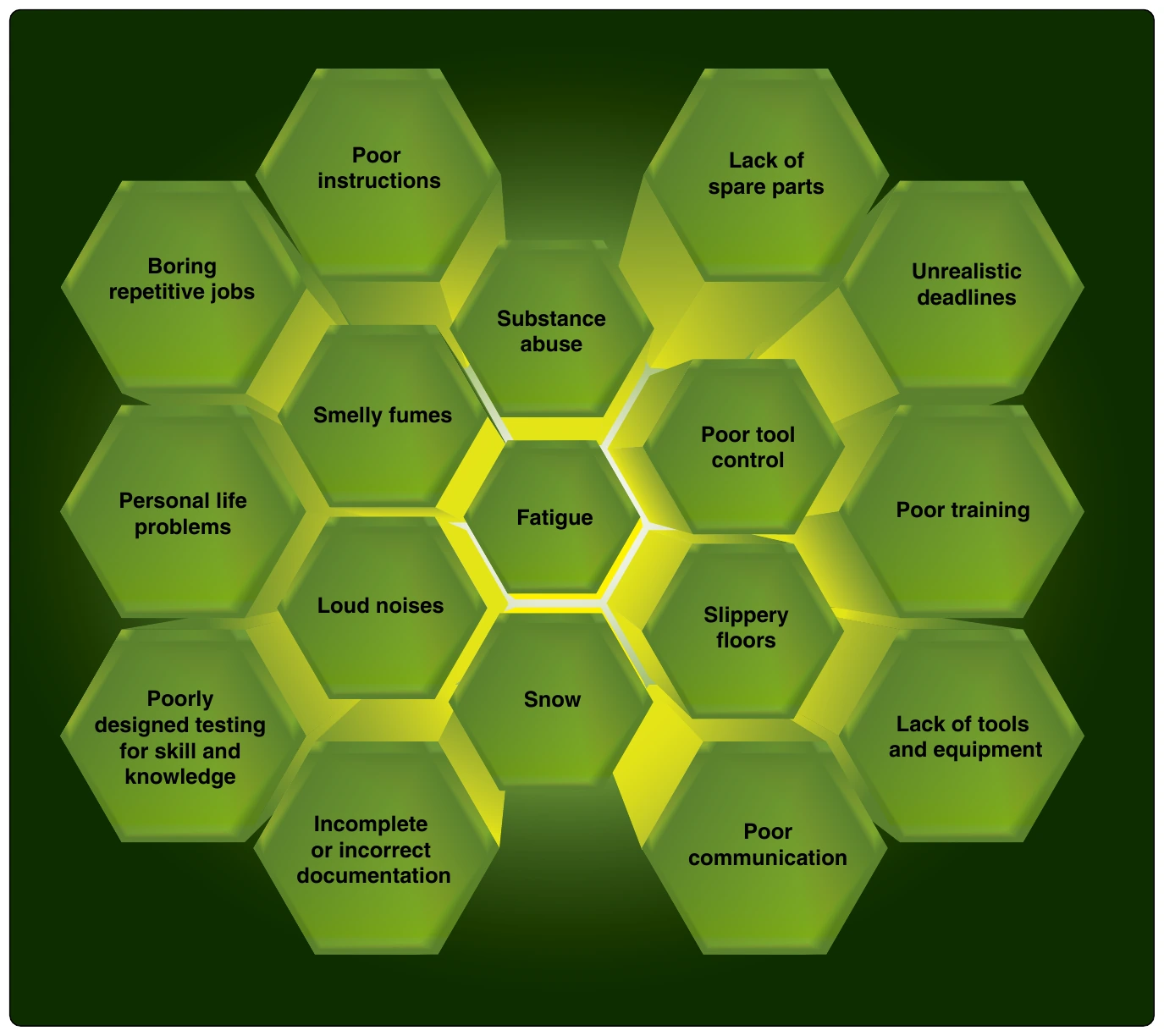
safely.
- Unifying work teams and groups so they get along and work together to get the job done right.
- Treating all workers equally.
Educational Psychology
Educational psychologists study how people learn and design the methods and materials used to educate people of all ages. Everyone learns differently and at a different pace. Supervisors should design blocks of instruction that relate to a wide variety of learning styles.
Industrial Engineering
Industrial engineering is the organized approach to the study of work. It is important for supervisors to set reasonable work standards that can be met and exceeded. Unrealistic work standards create unnecessary stressors that cause mistakes. It is also beneficial to have an efficient facility layout so that there is room to work. Clean and uncluttered environments enhance work performance. Another aspect of industrial engineering that helps in the understanding of human factors is the statistical analysis of work performance. Concrete data of work performance, whether good or bad, can show the contributing factors that may have been present when the work was done.
area of anthropometrics. The Vitruvian Man, one of his most famous drawings, can be described as one of the earliest sources presenting guidelines for anthropometry. [Figure 14-7] Around the same time, he also began to study the flight of birds. He grasped that humans are too heavy and not strong enough to fly using wings simply attached to the arms. Therefore, he sketched a device in which the aviator lies down on a plank and works two large, membranous wings using hand levers, foot pedals, and a system of pulleys. [Figure 14-8] Today, anthropometry plays a considerable role in the fields of computer design, design for access and maintainability, simplicity of instructions, and ergonomic issues.