
Chapter 6
Airborne Navigation Databases
Route records are those that describe a flightpath instead of a fixed position. Simple route records contain strings of fix records and information pertaining to how the fixes should be used by the navigation avionics.
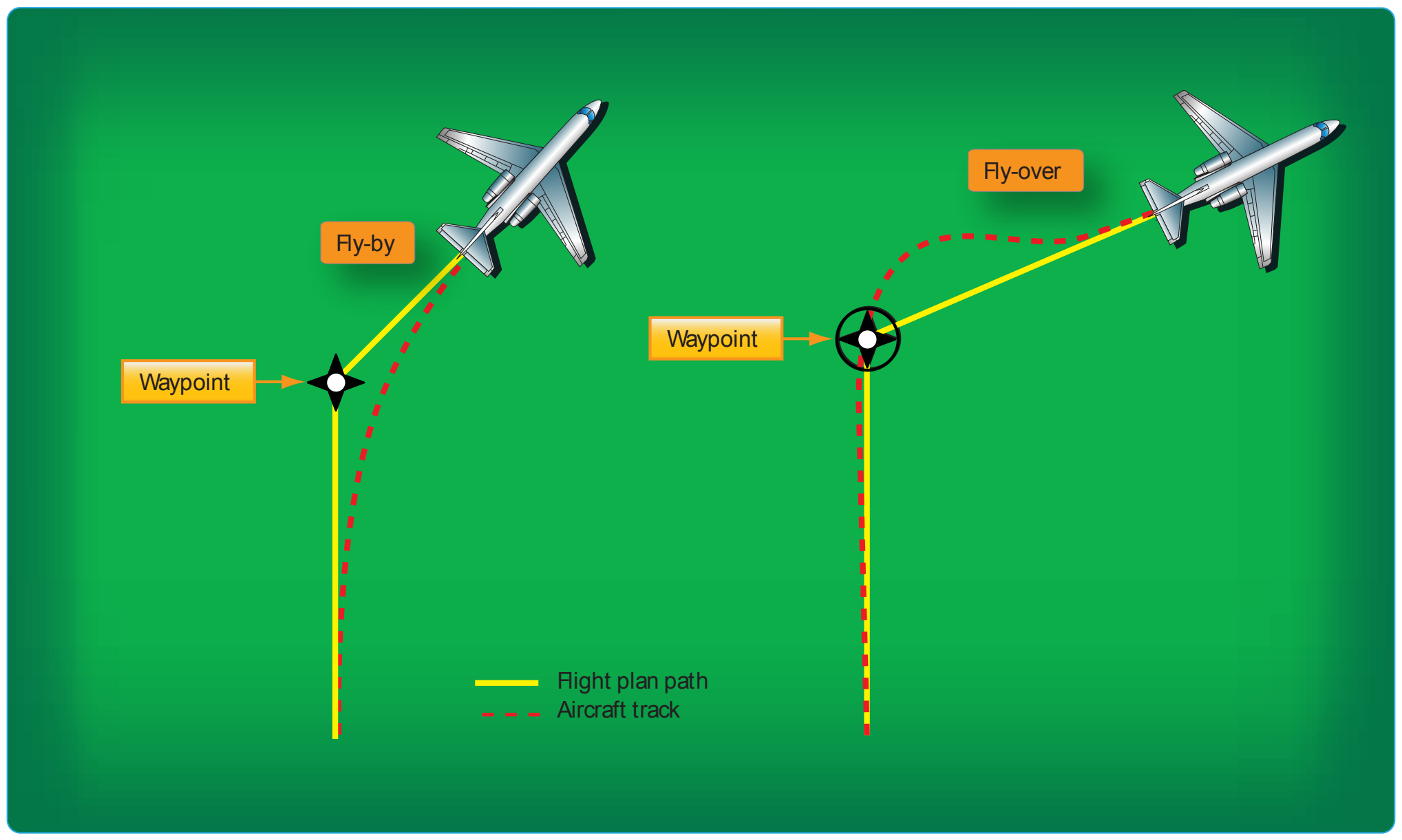
A Victor Airway, for example, is described in the database by a series of en route airway records that contain the names of fixes in the airway and information about how those fixes make up the airway.
Complex Route Records
Complex route records include those strings of fixes that describe complex flightpaths like standard instrument departures (SIDs), standard terminal arrival routes (STARs), and instrument approach procedures (IAPs). Like simple routes, these records contain the names of fixes to be used in the route, as well as instructions on how the route is flown.
Miscellaneous Records
There are several other types of information that is coded into airborne navigation databases, most of which deal with airspace or communications. The receiver may contain additional information, such as restricted airspace, airport minimum safe altitudes, and grid minimum off route altitudes (MORAs).
Path and Terminator Concept
The path and terminator concept is a means to permit coding of terminal area procedures, SIDs, STARs, and approach procedures. Simply put, a textual description of a route or a terminal procedure is translated into a format that is useable in RNAV systems. One of the most important concepts for pilots to learn regarding the limitations of RNAV equipment has to do with the way these systems deal with the path and terminator field included in complex route records.
The first RNAV systems were capable of only one type of navigation; they could fly directly to a fix. This was not a problem when operating in the en route environment in which airways are mostly made up of direct routes between fixes. The early approaches for RNAV did not present problems for these systems and the databases they used because they consisted mainly of DME/DME overlay approaches flown only direct point-to-point navigation. The desire for RNAV equipment to have the ability to follow more complicated flightpaths necessitated the development of the path and terminator field that is included in complex route records.
Path and Terminator Legs
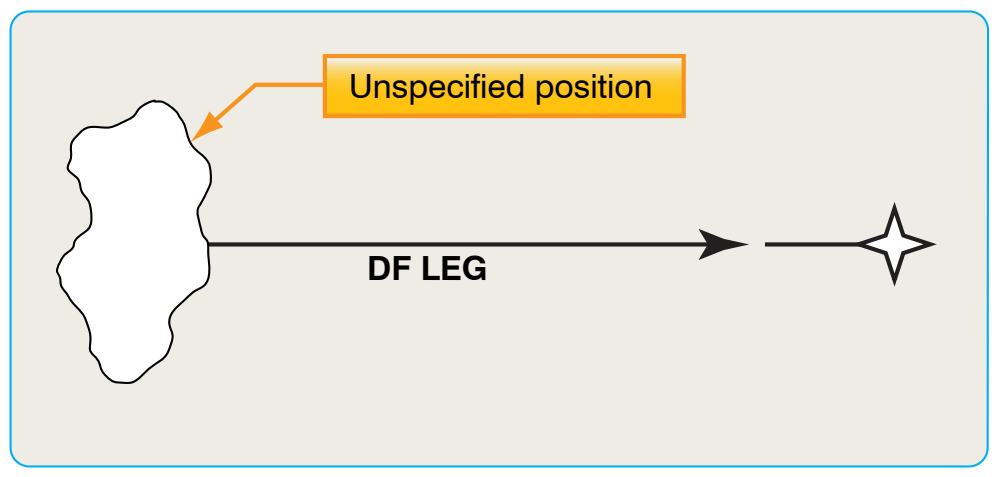
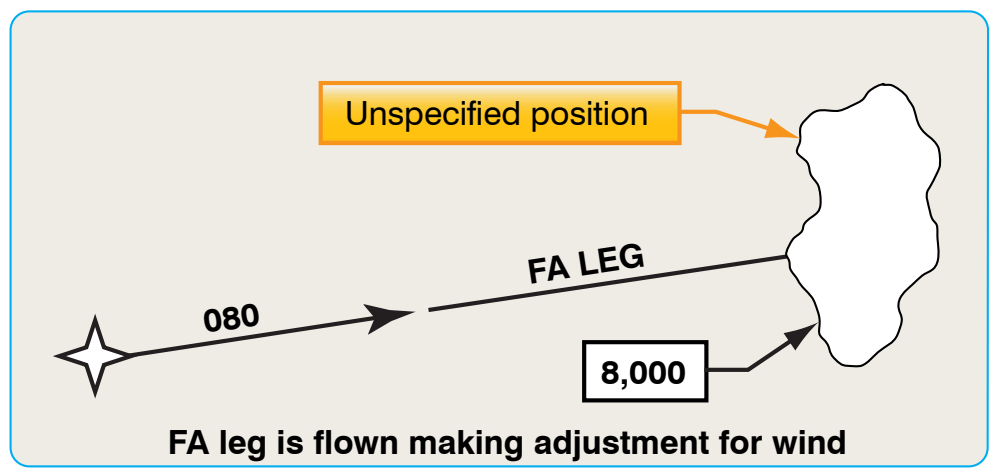
There are currently 23 different leg types, or path and terminators that have been created in the ARINC 424 standard that enable RNAV systems to follow the complex paths that make up instrument departures, arrivals, and approaches. They describe to navigation avionics a path to be followed and the criteria that must be met before the path concludes and the next path begins. Although there are 23 leg types available, none of the manufactured database equipment is capable of using all of the leg types. Pilots must continue to monitor procedures for accuracy and not rely solely on the information that the database is showing. If the RNAV system does not have the leg type demanded by procedures, data packers have to select one or a combination of available lleg types to give the best approximation, which can result in an incorrect execution of the procedure. Below is a list of the 23 leg types and their uses that may or may not be used by all databases.

- Initial fix or IF leg—defines a database fix as a point in space and is only required to define the beginning of a route or procedure. [Figure 6-5]
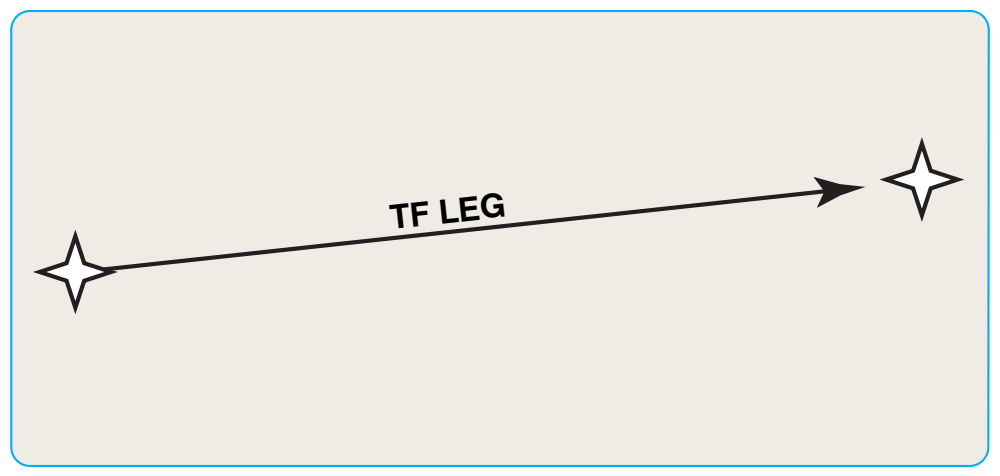
- Track to a fix or TF leg—defines a great circle track over the ground between two known database fixes and the preferred method for specification of straight legs (course or heading can be mentioned on charts but designer should ensure TF leg is used for coding). [Figure 6-6]
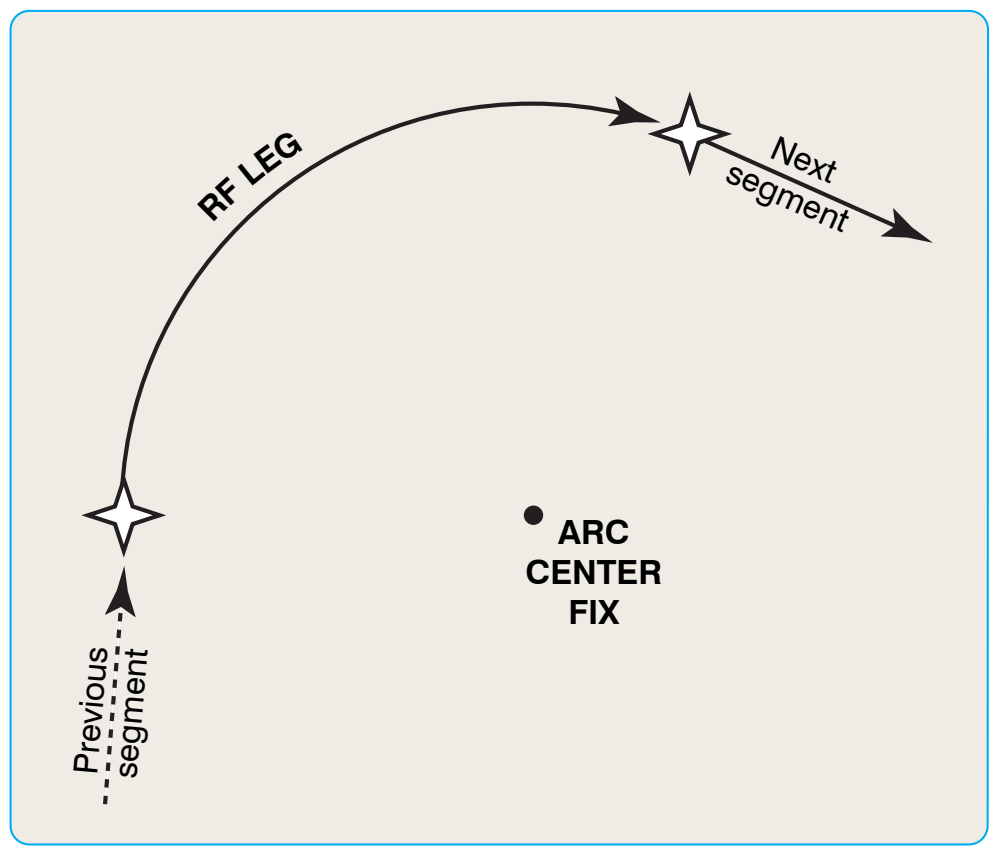
- Constant radius arc or RF leg—defines a constant radius turn between two databases fixes, lines tangent to the arc, and a center fix. [Figure 6-7]
- Course to a fix or CF leg—defines a specified course to a specific database fix. Whenever possible, TF legs
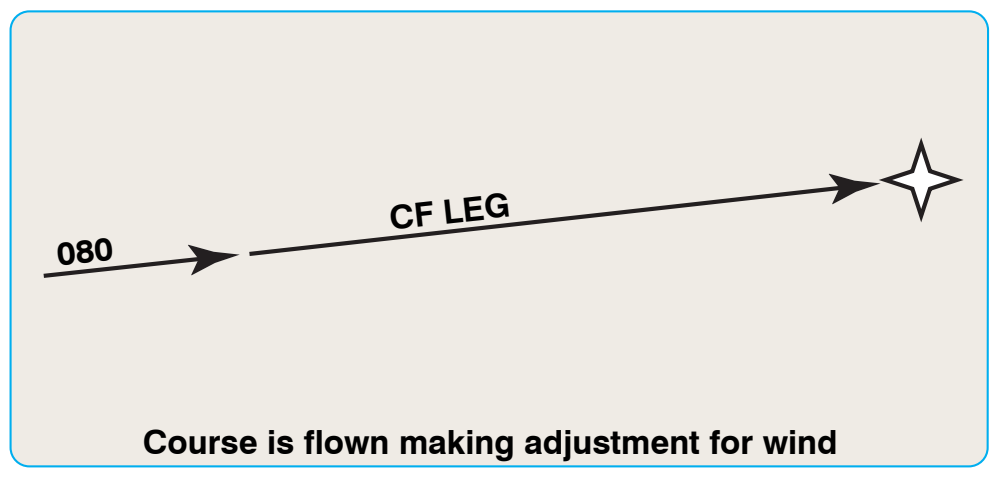
should be used instead of CF legs to avoid magnetic variation issues. [Figure 6-8]