Chapter 3
Materials
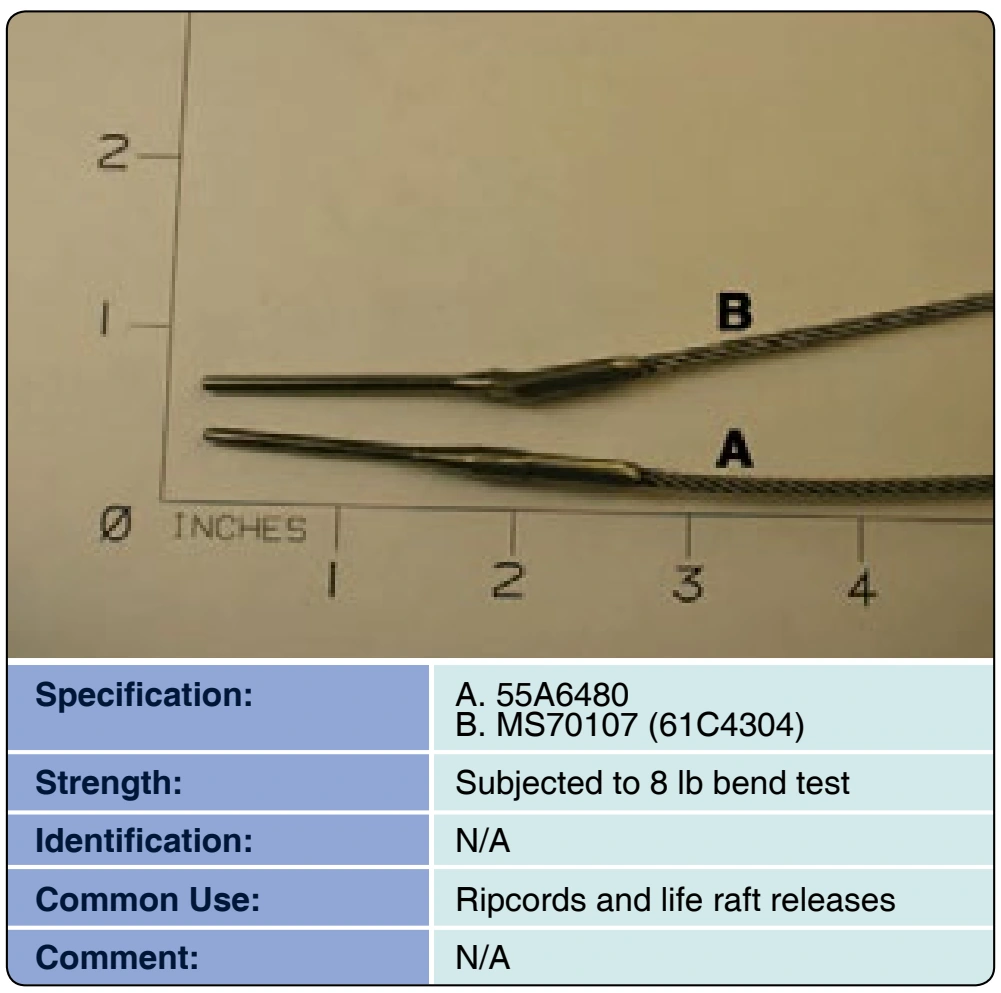
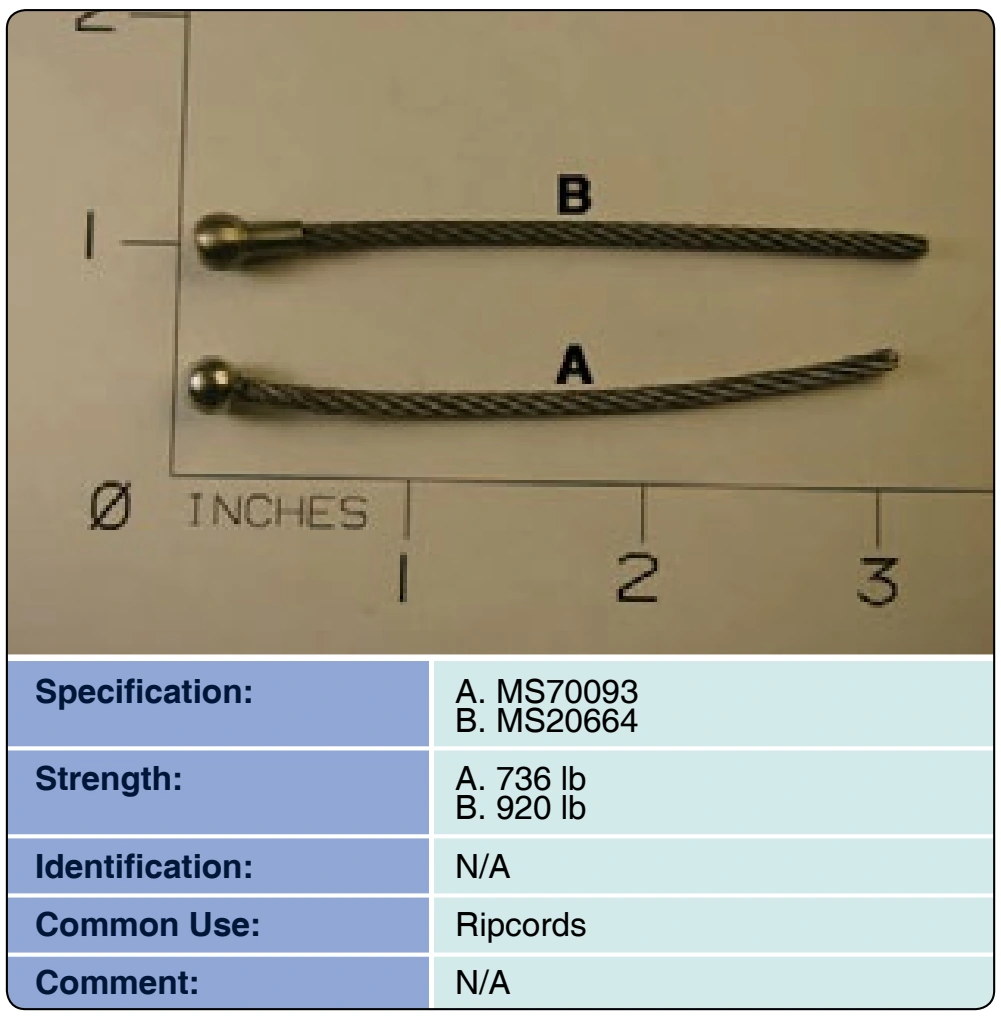
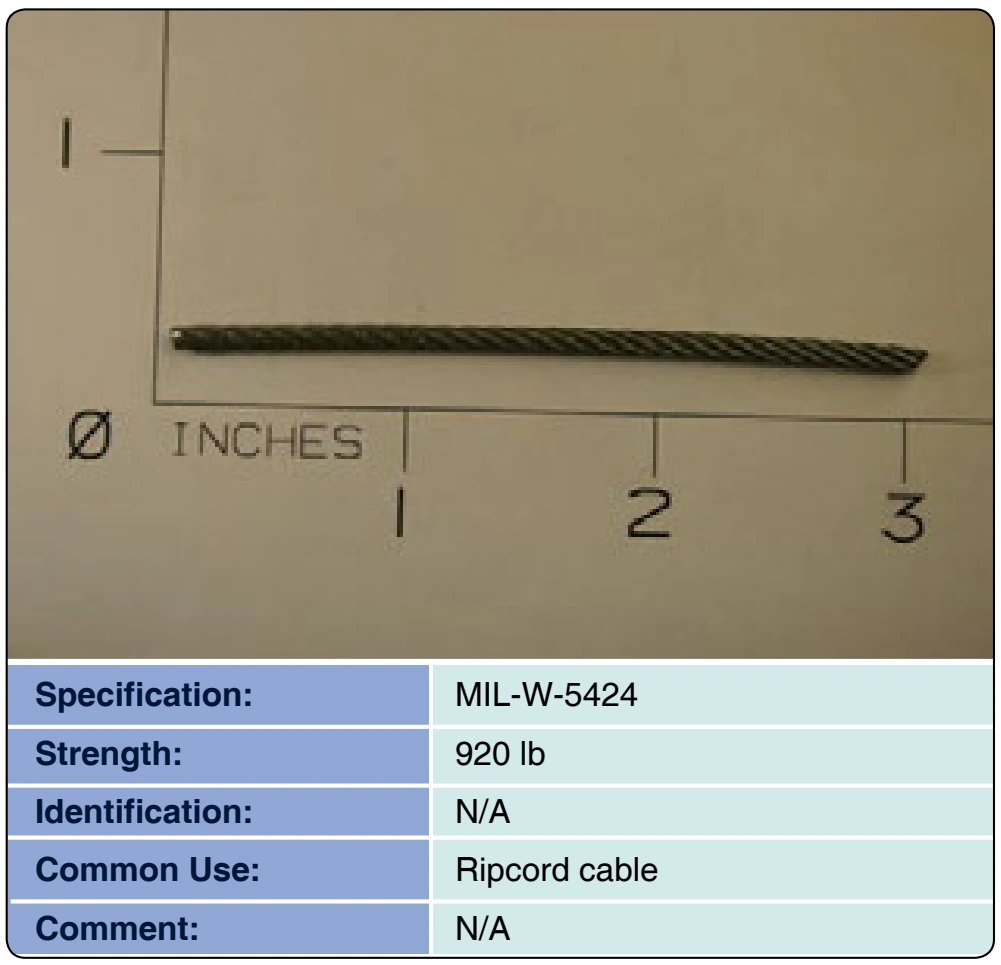
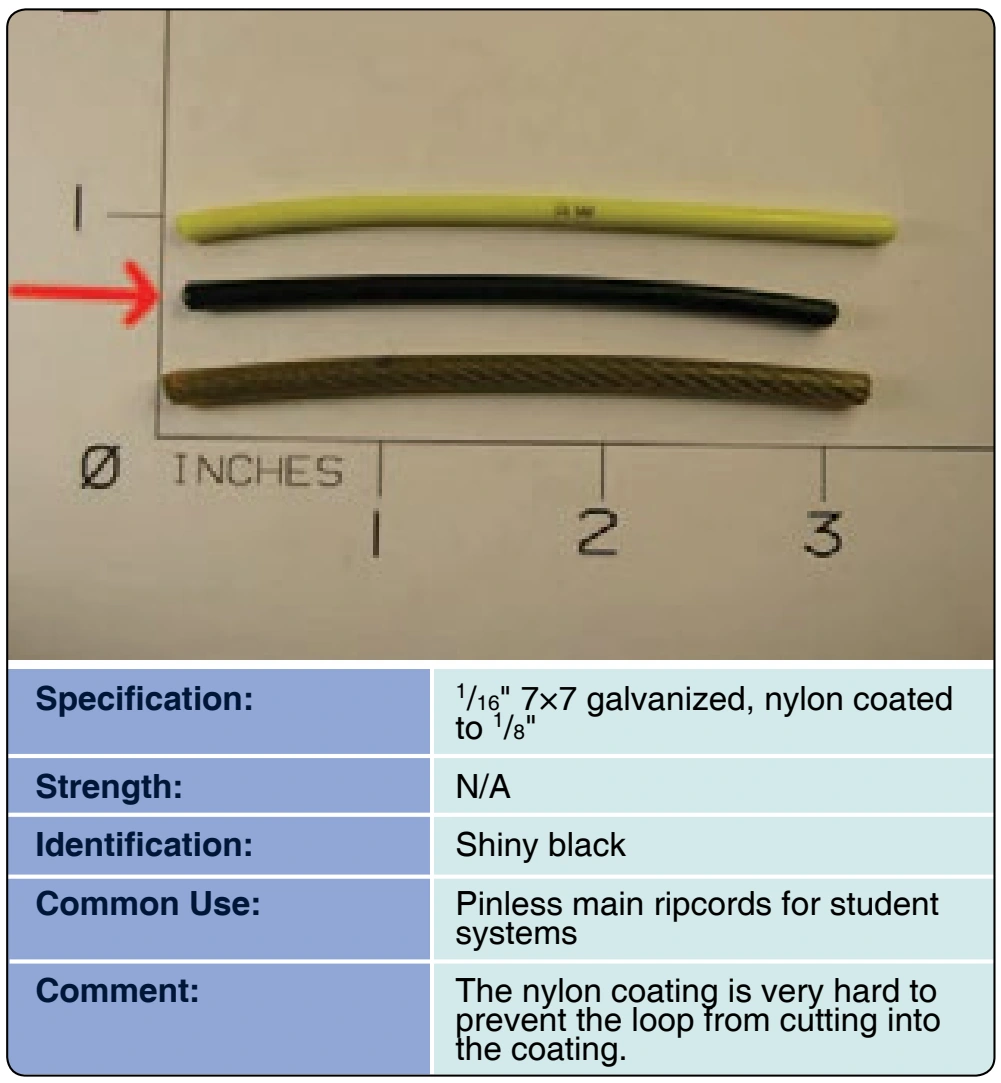
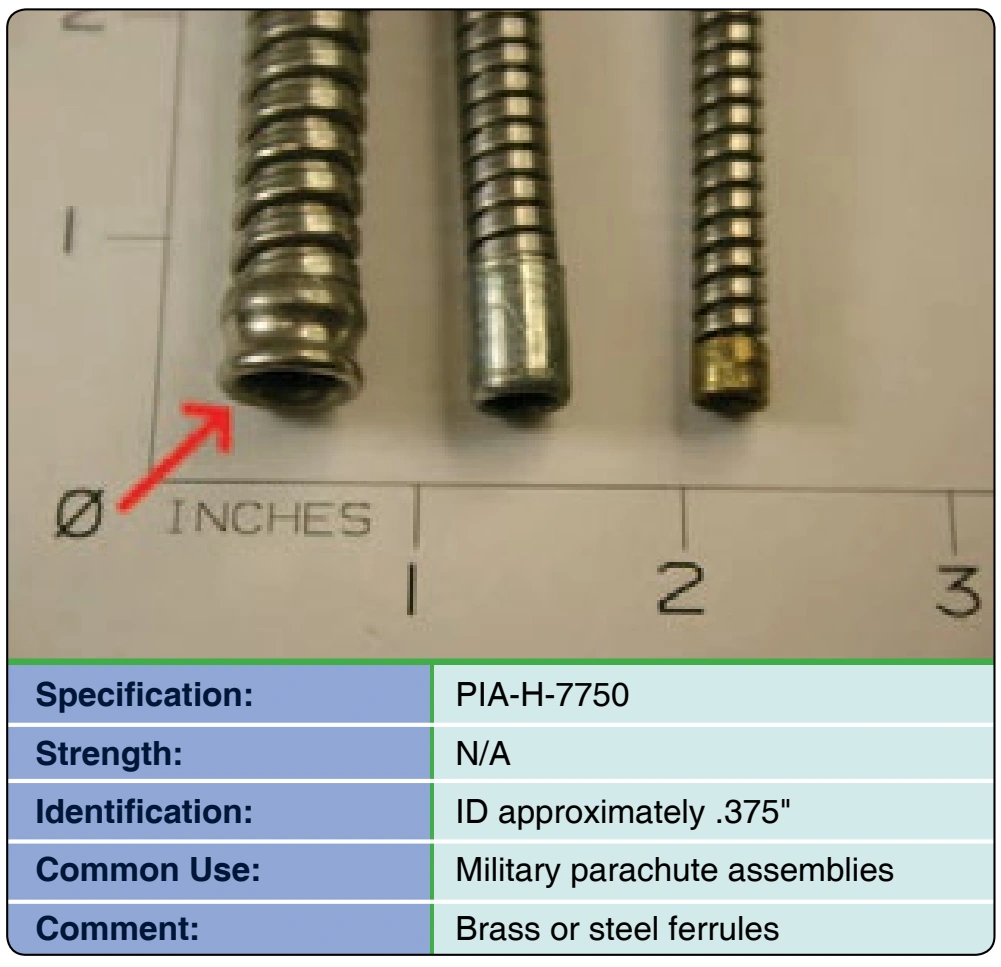
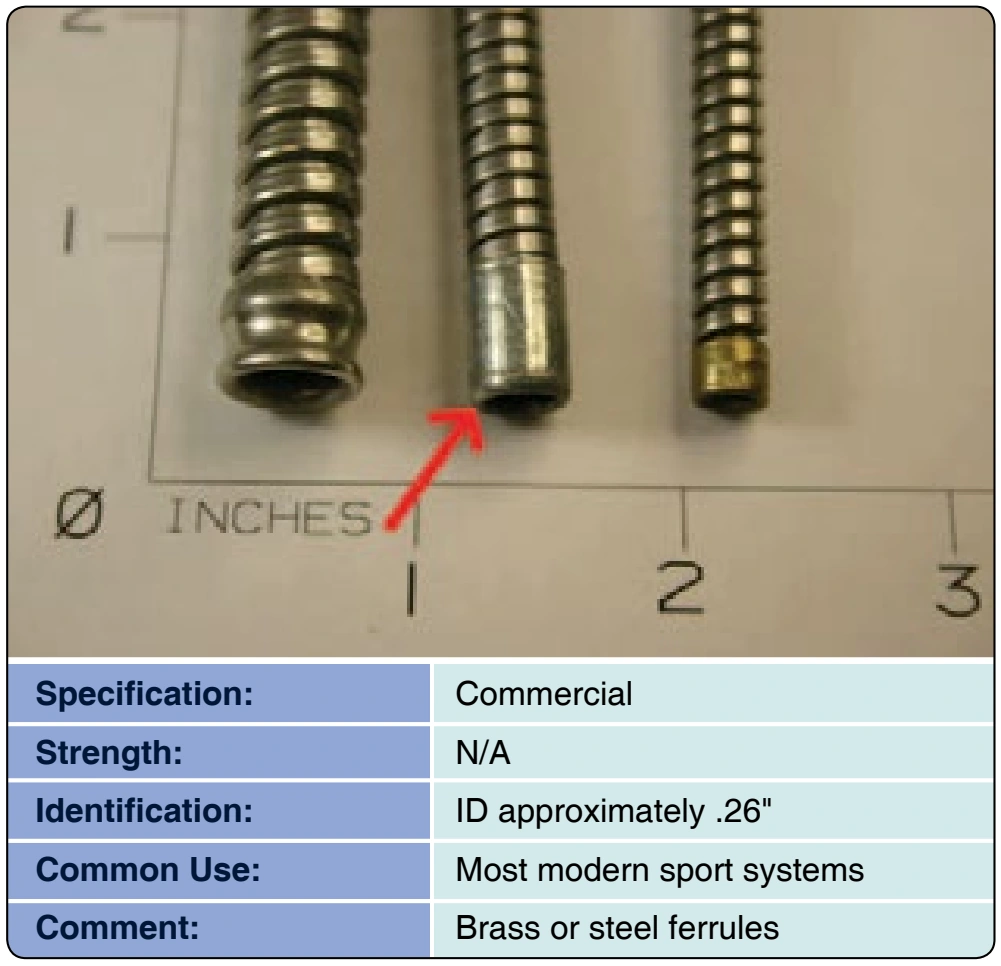
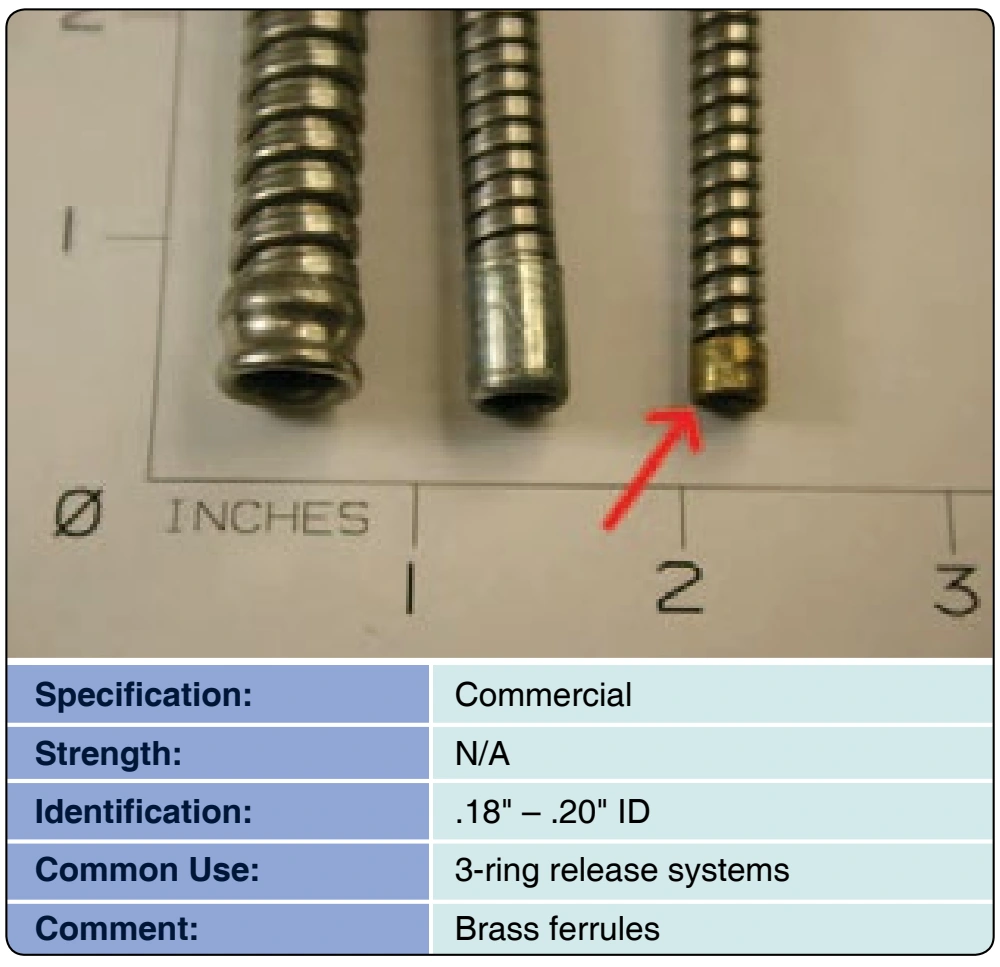
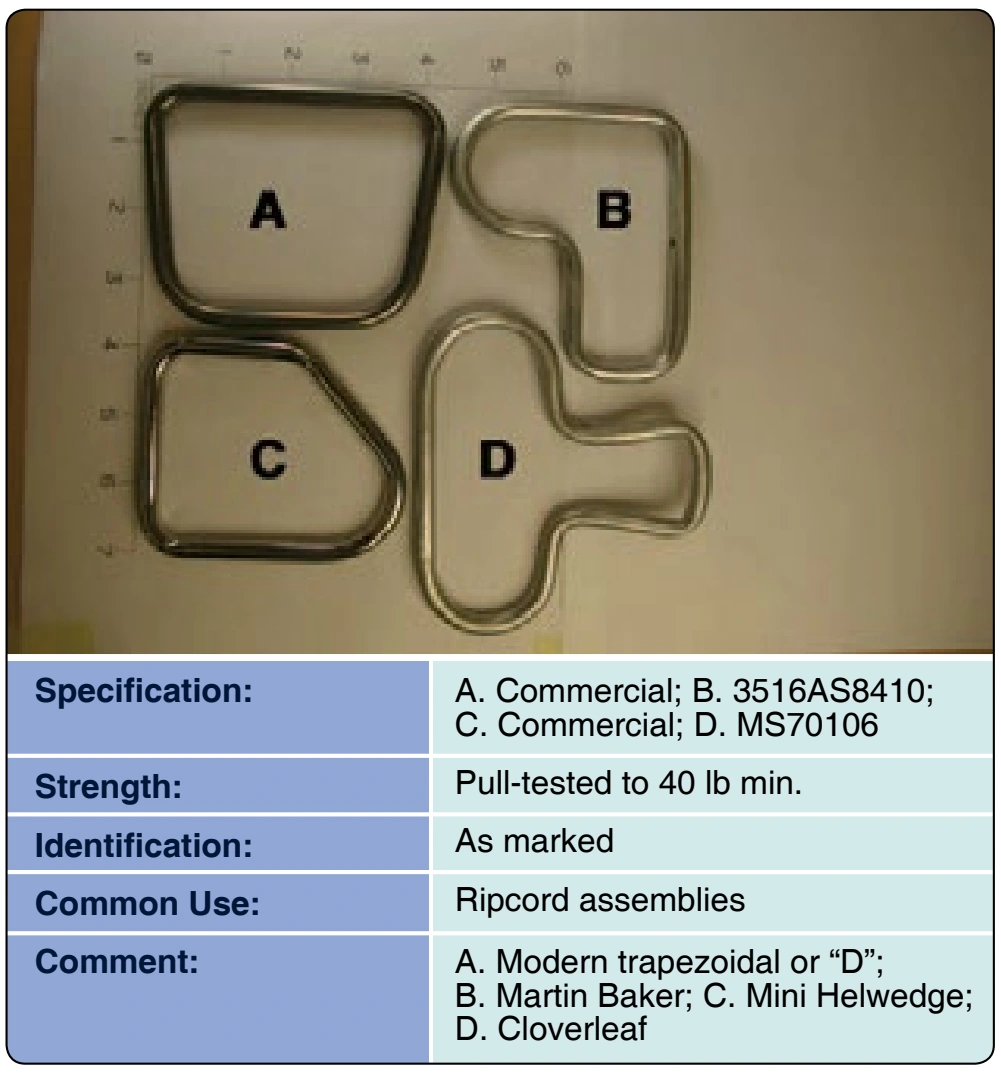
On modern sport parachutes, the hand deploy pilot chute replaced the conventional ripcord, by either throwout or pull-out. These configurations use the curved or straight locking pins attached to the pilot chute bridle. [Figures 3-93 through 3-101]
Miscellaneous
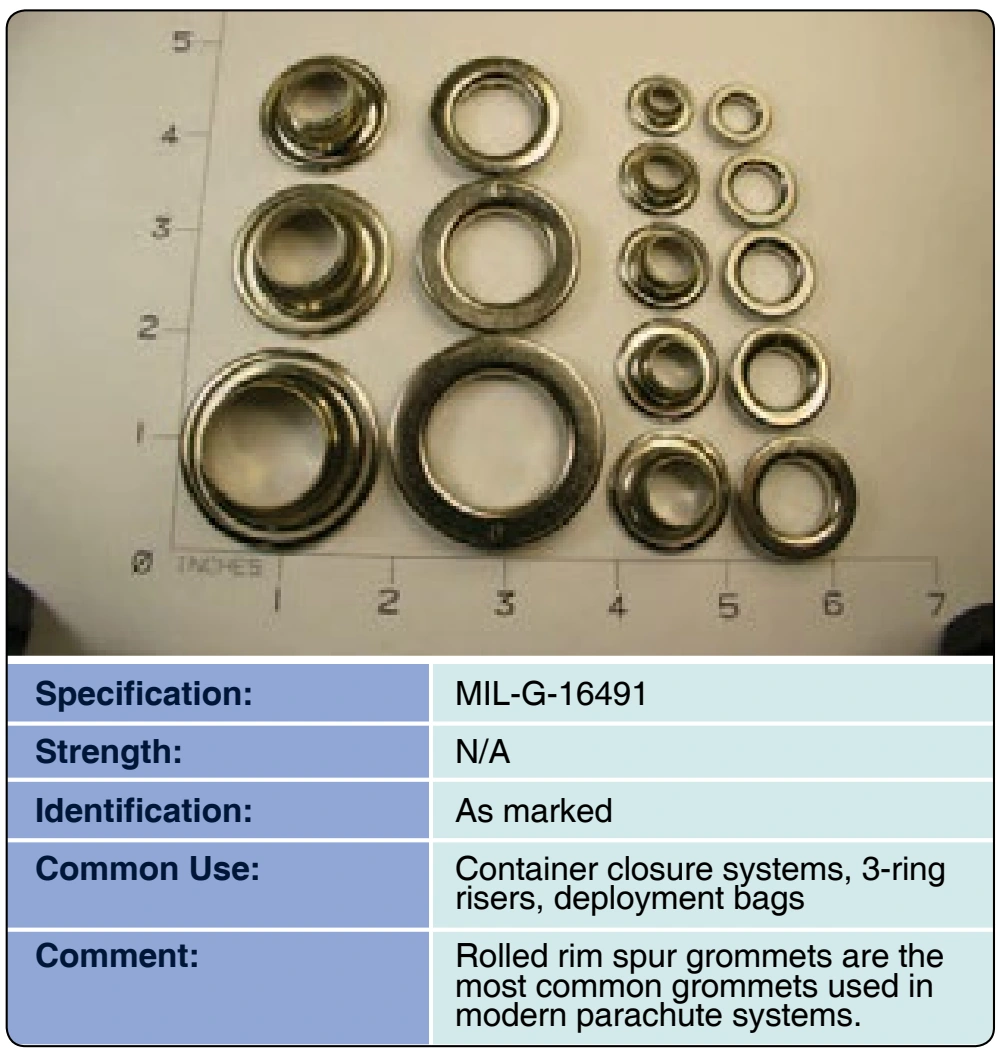
The miscellaneous category includes remaining items that do not fit in any of the other categories. They fall somewhat under the category of hardware, but are not load-bearing type hardware like legstrap friction adaptors or hip rings.
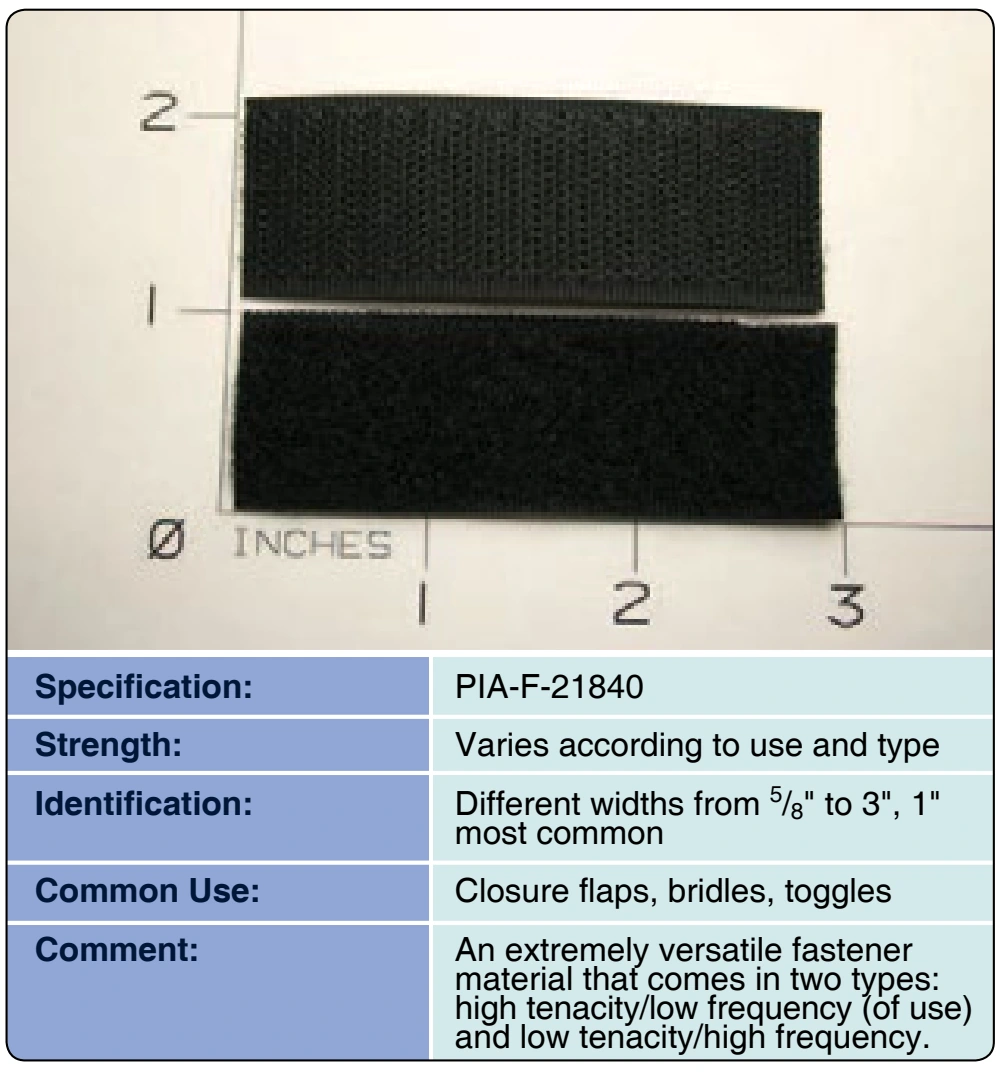
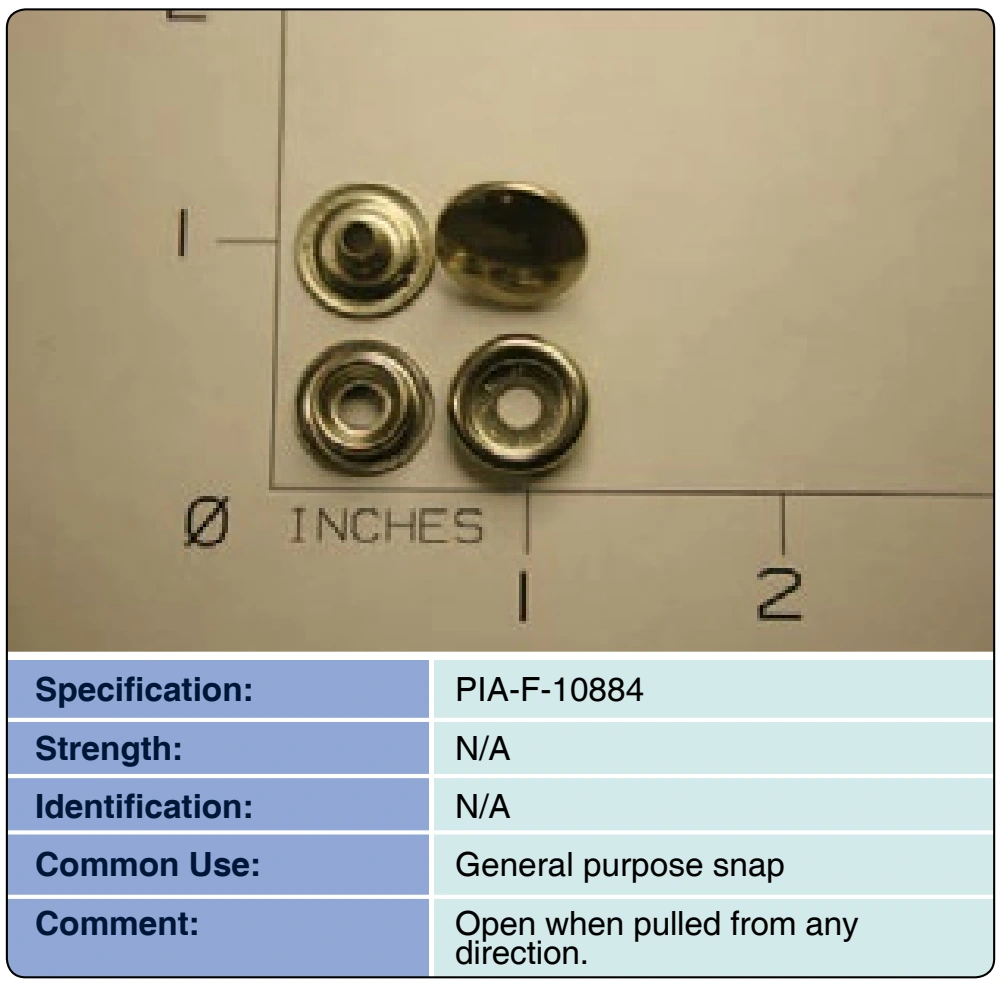
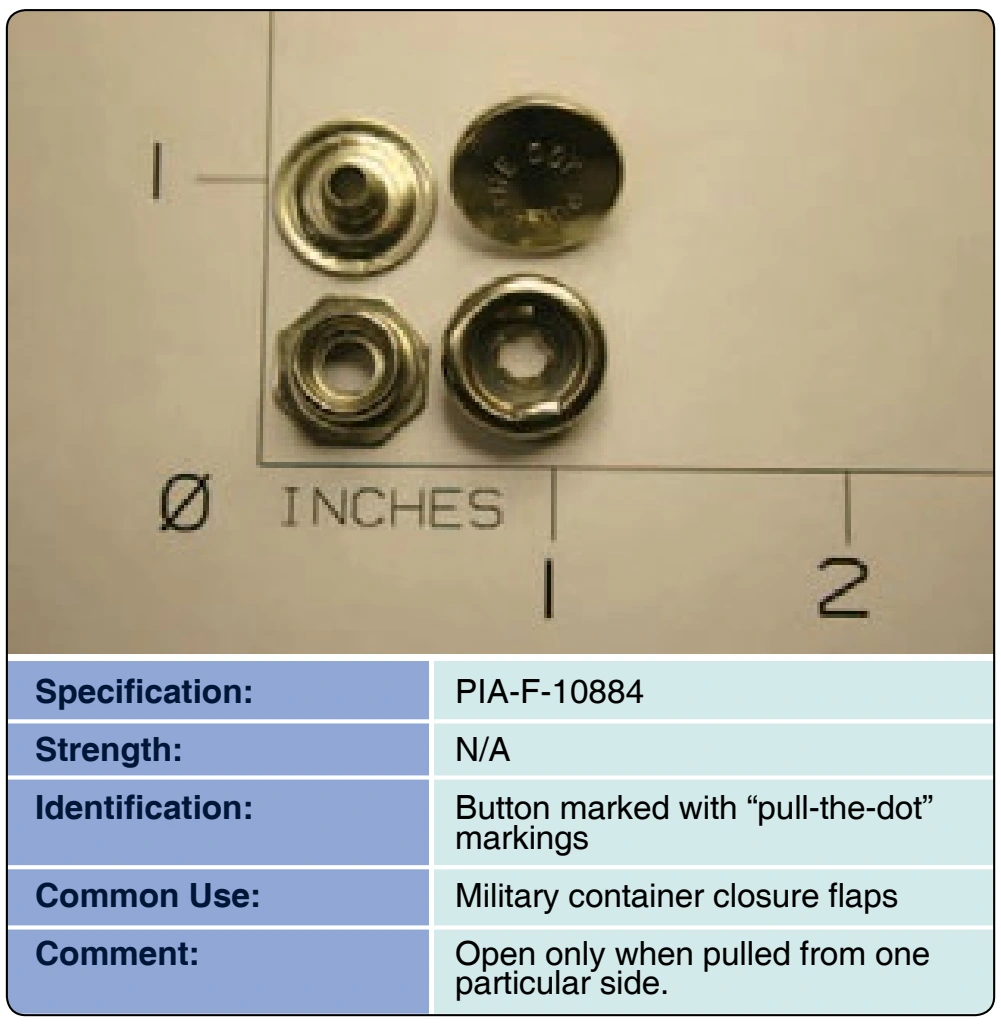
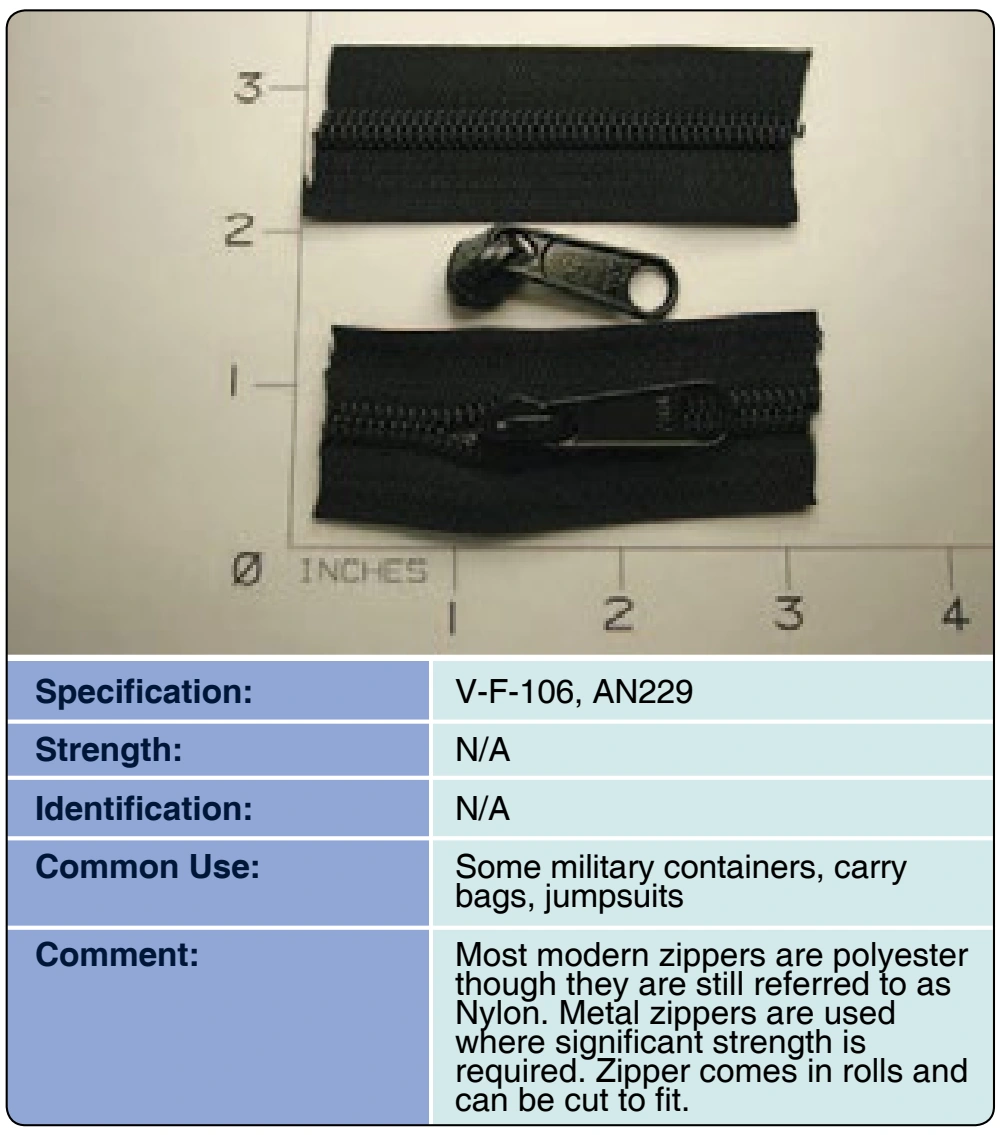
Most of the these items are made of stamped metal rather than forged steel. The plastic-looking, nylon “SR-Type Snaps” are used on gear bags, helmets, and as temporary holds for things such as tandem passenger drogue release handles. [Figures 3-102 through 3-118]
Chapter Summary
Material identification and understanding of its functional application is one of the most important aspects of becoming a parachute rigger. In order to properly inspect and recertify equipment—which is the rigger’s primary task—one has to be able to recognize when a material is worn beyond its required strength or if the wrong material has been selected to make a repair.
New high-tech fabrics are continually being explored, especially in the area of canopy connector lines and canopy cloth. Great improvements have been made in the reduction of permeability of canopy fabrics. Permeability is a measure of the ease with which a fluid (air in this case) can move through the fabric. Various forms of silicone and polyurethane coatings are used to create what we call in the vernacular, “Zero-P.” Generally, coated canopy cloth is referred to as 0 cfm (cubic foot per minute), and uncoated canopy cloth is referred to as 0-3 cfm. When we speak of porosity, we are referring to a measure of the tiny open spaces in the weave of the fabric. As canopy fabric wears, it becomes more porous and the permeability increases.