Appendix C: Accident Case Studies
General Information
The fatal accident profiles described below represent a range of general aviation activities. For additional accident information search the NTSB Aviation Accident Database [here](http://www.ntsb.gov/_layouts/ntsb.aviation/index.aspx).
For each accident, a summary using the PAVE checklist highlights potential risk factors that, in retrospect, may teach something about decision-making. The analysis includes an assessment of risks, as well as potential mitigations that could have altered the outcome. Individuals may use a variety of other tools, models, and checklists including those outlined in Appendix B to perform a similar analysis.
The accident case studies outlined below involve single-pilot operations. Analysis of accidents involving flight crew operations could also include a discussion of crew interaction and resource management (CRM) principles.
Accident Profile 1: Fatal Accident in a Single-Engine Airplane with a Piston Engine
The following details pertain to this accident:
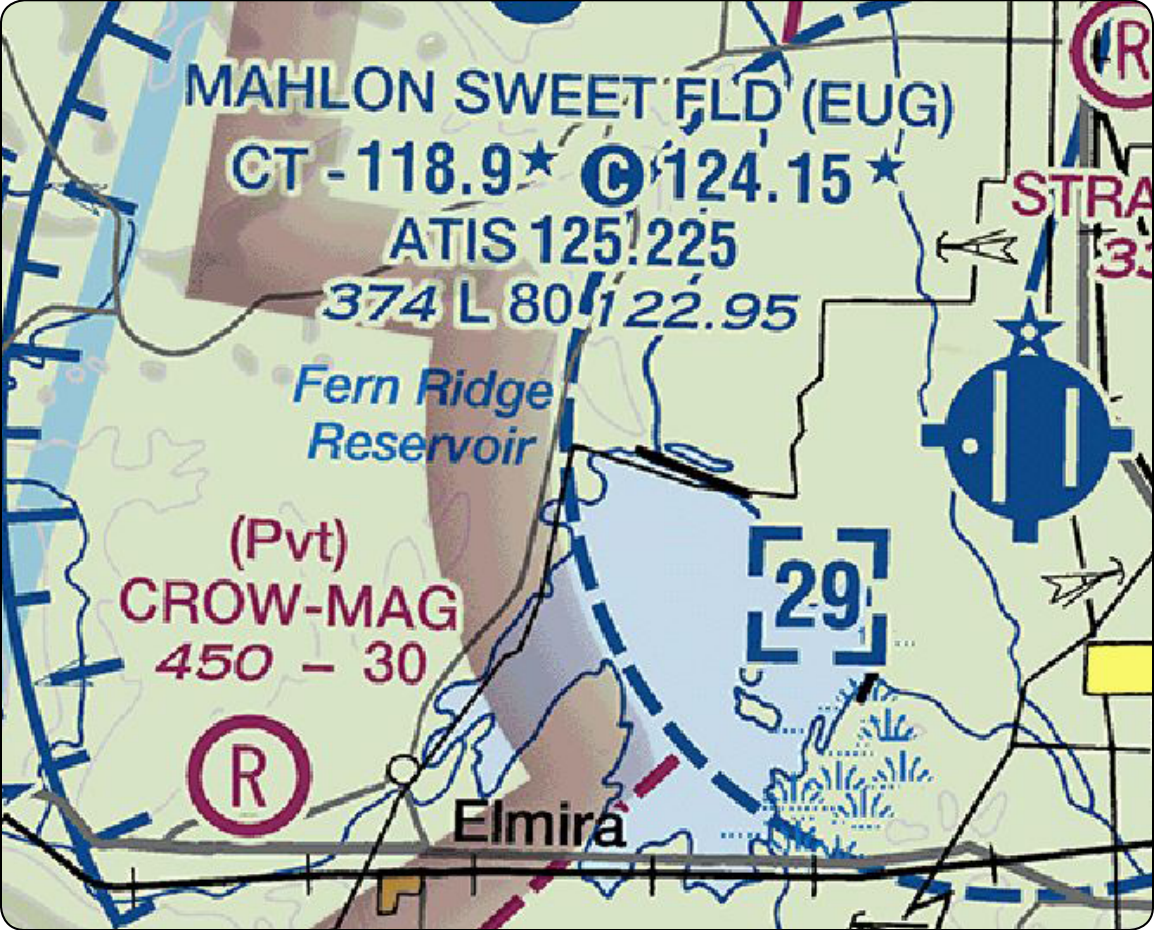
- Location: Veneta, OR (Crow-Mag airport, 33OR)
- Date: 06/23/2012
- NTSB Defining Event: Loss of lift
- NTSB Case File Number: WPR12FA274
NTSB Probable Cause
The pilot’s failure to maintain adequate airspeed and altitude to clear trees during the initial climb after takeoff.
NTSB Factual Summary Excerpts (edited)
The pilot was carrying three passengers on a local scenic flight, and the aircraft was near maximum gross weight. Visual meteorological conditions prevailed at departure. The 3,100-foot turf runway had 3-inch or higher wet grass and there were 100-foot trees at the end of the runway. The pilot operating handbook (POH) showed approximately 1,700 feet required for a takeoff from a hard-surface runway over a 50-foot obstacle. The POH did not provide takeoff data for a turf runway with wet grass or a 100-foot obstacle.
After departure, the aircraft descended into the trees. A cell phone video taken from inside the aircraft recorded the sound of the stall warning just before the collision. Witnesses reported seeing the aircraft descend into the trees. All four occupants died during the crash. An autopsy toxicology report indicated the presence of marijuana in the pilot’s bloodstream; however, the degree of pilot impairment could not be determined. The investigators could not find any aircraft defects that would have prevented it from achieving full power on takeoff.
Risk Identification, Assessment, and Mitigation
The hazards associated with this accident may involve all four categories of the PAVE checklist. However, environmental and aircraft performance hazards may have generated the highest risk levels.
The primary environment hazards in this accident are the 100-foot trees at the end of the runway and the wet-grass turf runway. These environmental factors, coupled with an aircraft hazard arising from takeoff and climb performance limitations, generated the risk that may explain the accident. An external pressure hazard associated with pleasing the passengers may have existed.
A pilot aeromedical hazard existed due to marijuana use. There is evidence taking illicit drugs significantly elevates the risk of having an aviation accident. Even though the Drug Enforcement Administration (DEA) defines marijuana as a Schedule I drug on its controlled substances list, states have taken steps to allow the possession, sale, and use of marijuana within their borders. The FAA has stated, “Marijuana is an illicit drug per federal law, and its use by airmen is prohibited.”
The risk severity generated by the collision potential with the trees is “catastrophic” because it resulted in loss of life. Given the environment and aircraft performance limitations that the pilot could have reasonably anticipated, the likelihood of the risk was at least “occasional,” that is, it would probably occur sometime. Consulting the risk assessment matrix, the resulting risk is high (red) and requires mitigation to a lower level of likelihood and/or severity.
Because the airplane was located at the turf airport, avoiding risk generated by the trees warranted careful consideration. The pilot could have greatly reduced the likelihood of an accident by flying the aircraft solo to the nearby Eugene, OR (EUG) airport to pick up the passengers [Figure C-1]. This single action addresses both the environmental and aircraft performance risks. This could also have reduced the external pressures.