
Chapter 3
The Learning Process
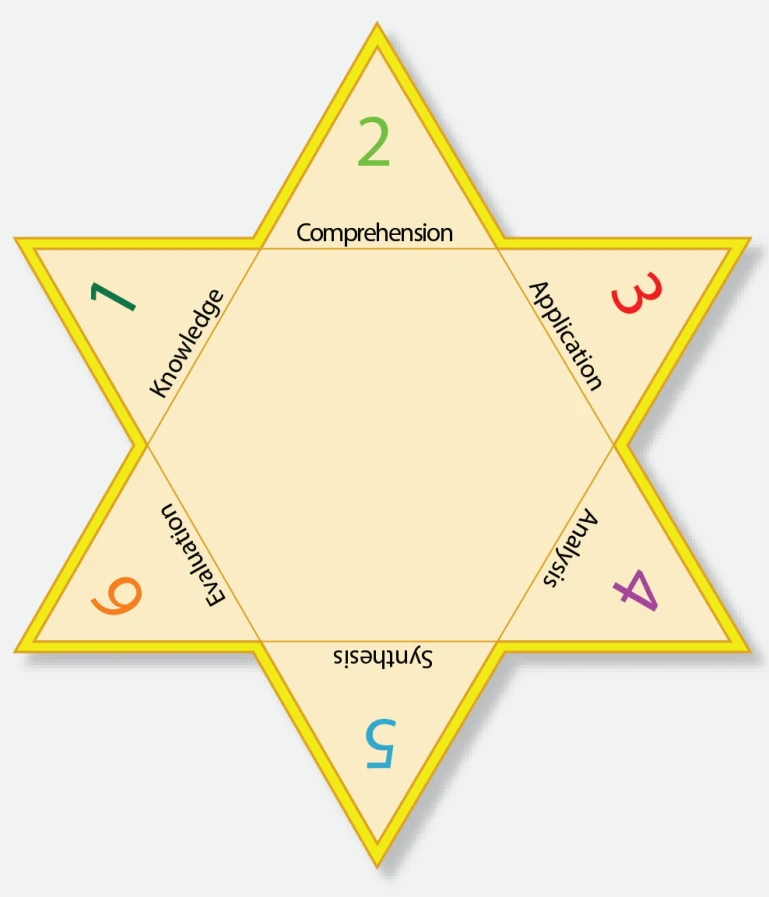
Continued research into cognitive theory has led to theories such as information processing and constructivism. This is the basis of the organizing a lesson methods discussed in Chapter 5, The Teaching Process.
Information Processing Theory
Information processing theory uses a computer system as a model for human learning. The human brain processes incoming information, stores and retrieves it and generates responses to the information. This involves a number of cognitive processes: gathering and representing information (encoding), retaining of information, and retrieving the information when needed.
This learning system has limitations and needs to be operated properly. A computer gets input from a keyboard, mouse, etc., whereas the human brain gets input from the senses of sight, hearing, touch, taste, and smell. The amount of sensory input the brain receives per second ranges from thousands to millions of bits of information according to various theories. Regardless of the number, that is a lot of information for the brain to track and process.
One way the brain deals with all this information is to let many of the habitual and routine things go unnoticed. For example, a pilot who uses the rudder when entering a turn is usually unaware of pressing the pedal, even though it involves moving a leg, exerting pressure on the pedal, etc. The human unconscious takes charge, leaving conscious thought processes free to deal with issues that are not habitual.
Since information processing theorists approach learning primarily through a study of memory, this learning concept is revisited during the discussion of memory.
Constructivism
A derivative of cognitive theory, constructivism is a philosophy of learning that holds that learners do not acquire knowledge and skills passively but actively build or construct them based on their experiences. As implied by its name, constructivism emphasizes the constructing or building that goes on during the learning process. Therefore, it creates a learner-centered environment in which they assume responsibility for their own learning.
According to constructivism, humans construct a unique mental image by combining preexisting information with the information received from sense organs. Learning is the result of matching new information against this preexisting information and integrating it into meaningful connections. In constructivist thinking, learners are given more latitude to become effective problem solvers, identifying and evaluating problems, as well as deciphering ways in which to transfer their learning to these problems, all of which foster critical thinking skills. While the learner is at the center of the process, an experienced teacher is necessary to guide them through the information jungle. Constructivism techniques are good for some types of learning, some situations, and some individuals, but not all. This school of thought also encourages teaching learners how to use what are known as the higher order thinking skills (HOTS) from Bloom’s Taxonomy and training based on problems or scenarios. Constructivism is the basis for several of the training delivery methods covered in Chapter 5, The Teaching Process.
Higher Order Thinking Skills (HOTS)
The constructivist theory of learning explains and supports the learning of HOTS, which is commonly called aeronautical decision-making (ADM) in aviation. HOTS lie in the last three levels on Bloom’s Taxonomy of Learning: analysis, synthesis, and evaluation skills. Teaching the higher level thinking skills which are essential to judgment, decision-making, and critical thinking is important to aviation because a common thread in aviation accidents is the absence of higher order thinking skills (see Appendix E).
HOTS are taught like other cognitive skills, from simple to complex and from concrete to abstract. To teach HOTS effectively involves strategies and methods that include (1) using problem-based learning (PBL) instruction, (2) authentic problems, (3) real-world problems, (4) learner-centered learning, (5) active learning, (6) cooperative learning, and (7) customized instruction to meet the individual learner’s needs. These strategies engage the learner in some form of mental activity, have the learner examine that mental activity and select the best solution, and challenge the learner to explore other ways to accomplish the task or the problem.
It should be remembered that critical thinking skills should be taught in the context of subject matter. Learners progress from simple to complex; therefore, they need some information before they can think about a subject beyond rote learning. For example, knowing that compliance with the weight and balance limits of any aircraft is critical to flight safety may not help an aviation learner interpret weight and balance charts unless he or she also knows something about the concept of a center of gravity.
If the learner does not yet have much subject matter knowledge, they can draw on past experiences to gain entry into complex concepts. For example, most learners probably played on a seesaw during their childhood. Thus, they have a basic experience of how weight and balance works around a center of gravity.
Additionally, HOTS should be emphasized throughout a program of study for best results. For aviation, this means HOTS should be taught in the initial pilot training program and in every subsequent pilot training program. Instructors need to teach the cognitive skills used in problem-solving until these techniques become automated and transferable to new situations or problems. Cognitive research has shown the learning of HOTS is not a change in observable behavior but the construction of meaning from experience.
Scenario-Based Training (SBT)
At the heart of HOTS lies scenario-based training (SBT) which is an example of the PBL instructional method and facilitates the enhancement of learning and the development and transference of thinking skills. SBT provides more realistic decision-making opportunities because it presents tasks in an operational environment; it correlates new information with previous knowledge, and introduces new information in a realistic context.
SBT is a training system that uses a structured script of “real-world” scenarios to address flight-training objectives in an operational environment. Such training can include initial training, transition training, upgrade training, recurrent training, and special training.
The instructor should adapt the scenarios to the aircraft, its specific flight characteristics and the likely flight environment, and should always require the learner to make real-time decisions in a realistic setting. The scenarios should always be planned and led by the learner (with the exception of the first flight or two or until the learner has developed the necessary skills).