
Chapter 9
Techniques of Flight Instruction
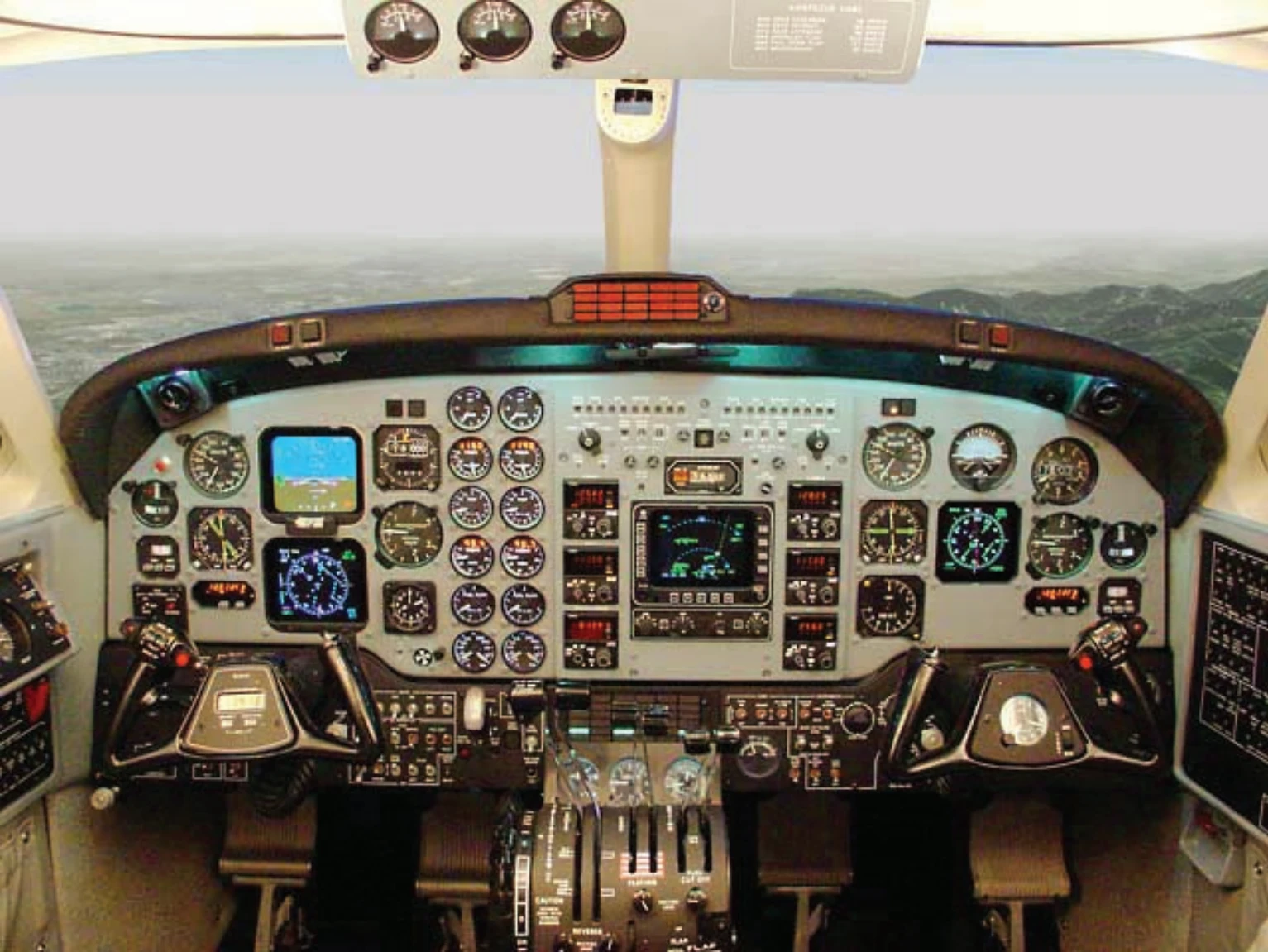
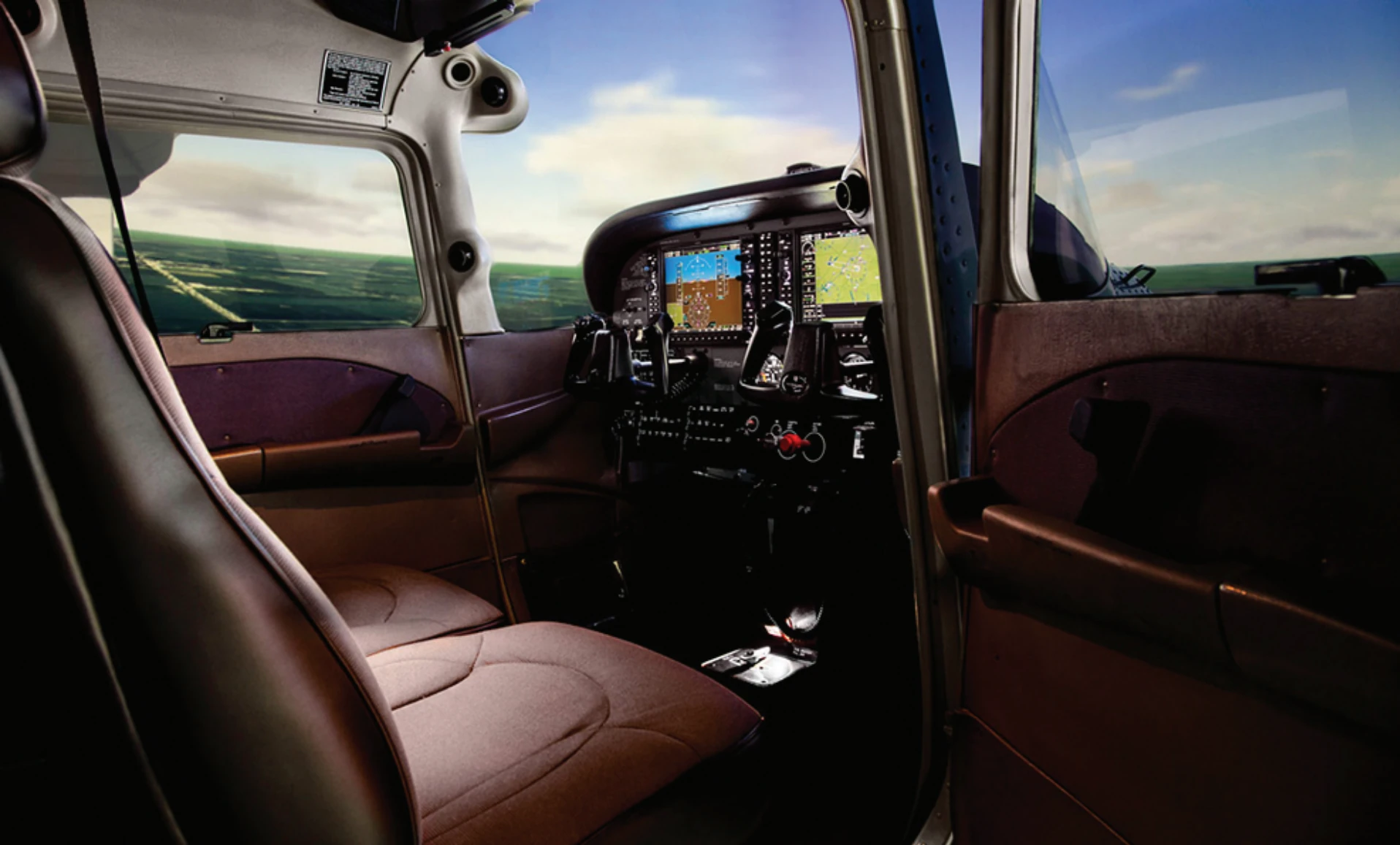
The National Simulator Program located in Atlanta, GA provides for the evaluation and qualification of FFSs and FTDs. 14 CFR part 60 provides the criteria for the qualification of FFSs [Figure 9-2] and FTDs [Figures 9-3 and 9-4] and further divides these qualifications as FFS Level A-D and FTD Level 4-7. A qualification letter is provided annually by the FAA to the operator and identifies the level of qualification. The level of approval affects what maneuvers or tasks may be accomplished in an FFS or FTD. These FAA-qualified trainers are collectively described in part 60 as Flight Simulation Training Devices (FSTD). Each device requires sponsorship by a part 119 certificate holder (part 135/121 operators), or a part 141/142 Pilot School/Training Cente r, and are most often used by the airlines or aviation colleges/universities. All training accomplished in FFSs and FTDs is part of an FAA-approved training program.
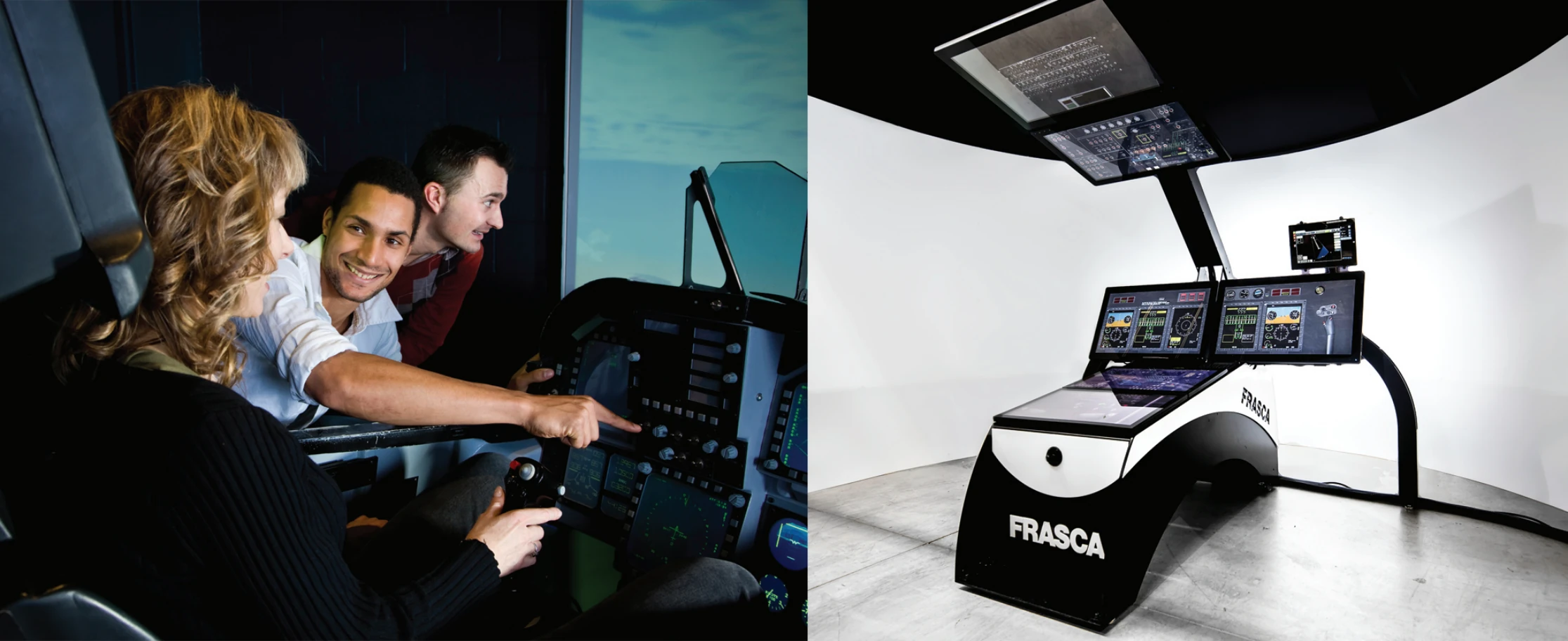
The General Aviation and Commercial Division located in Washington, DC provides for the evaluation and approval of ATDs. Advisory Circular AC 61-136, FAA Approval of Aviation Training Devices and Their Use for Training and Experience provides the criteria for ATD approvals and use, and further divides them into two categories; Basic or Advanced ATD approvals (BATD/AATD). The letter of authorization provided by the FAA to the manufacturer specifies the training credits or experience requirements that can be acquired using that model trainer. These training devices are predominately used by general aviation flight schools providing flight training under 14 CFR part 61 or part 141 regulations. ATDs cannot be used for airman practical tests or type rating training requirements.
Integrated Training Curricula
An integrated training curriculum can use an FFS, FTD, or ATD to provide seamless training from the classroom to the aircraft. An instructor initially provides the required knowledge in a classroom environment and then follows with procedural training in the simulator. For example, when utilizing an integrated ground and flight-training program, an authorized instructor would initially teach the required knowledge specific to instrument landing system (ILS) design, and the associated flight operations through ground and classroom training. The instructor then provides instruction on aircraft flight procedures and details specific to operations in national airspace system. After the learner has gained the required knowledge and understands the procedures, the instructor then adds practicing the psychomotor skills of the task in the simulator. The instructor would then demonstrate and teach the instrument approach task to the learner simulating the flight environment in a FAA-qualified trainer. When the student becomes proficient with the instrument procedure in the simulator, the instruction would then transition to the aircraft to verify proficiency and reinforce the airman certification standards. Most operational tasks and procedures for private pilot certificates, instrument ratings, commercial pilot certificates, and airline transport pilot certificates can be initially taught in an FFS, FTD, or ATD.
Logging Training Time and Experience
Instructors or pilots logging time in an FFS or FTD should log and record the FAA ID number or serial number of the device being used for training. FSTDs are re-qualified on an annual basis and users should verify the qualification is current and valid. When logging training time in an ATD, pilot time is logged as a basic aviation training device (BATD) or advanced aviation training device (AATD) time, and the pilot record should identify the manufacturer and model of the ATD trainer. Letters of authorization (LOAs) for ATD’s are valid for five years and a copy of the LOA should be retained by the pilot in training.
Pilot time logged in an FFS, FFS, or ATD must be recorded as prescribed in 14 CFR part 61, section 61.51(h). The maximum credit permitted for certificates and ratings is identified in part 61 and 141. However, there is no limit on how much time can be logged in an FFS, FTD, or ATD. The FAA recommends that training should continue in the simulator until the required tasks are accomplished successfully, before attempting the same tasks in an aircraft.
On-Aircraft Training
On-aircraft training is the continuation of work that is initiated on the ground and part of the integrated training process. As indicated in Chapter 7, Planning Instructional Activity, the instructor must plan the flight given to the learner to the same extent as the learner who prepares for it. Just as it is important to have objectives for ground instruction, it is equally important that the flight instruction have objectives and a syllabus paired with previous instruction given on the ground (to include academic training). Flight training is not a one size fits all and often must be tailored for the individual. For example, satisfactory progress in learning stalls through flight instruction “only” would be diminished as compared to discussing them on the ground; inclusive of the types, stalls, and their aerodynamic basis. Just because the learner has received ground school instruction on a particular aspect, the instructor should always review that same task with the learner before flight to reinforce the learning process as necessary. [Figure 9-5]

On-aircraft training is integrated with ground instruction and not autonomously separate and distinct. By pairing flight and ground instruction together, the learner will advance further, faster, and attain more of the educational goals the instructor tries to impart.
Demonstration-Performance Training Delivery Method
The demonstration-performance training delivery method was discussed briefly in Chapter 5, The Teaching Process, but the following in-depth discussion is geared to the flight instructor. This training method has been in use for a long time and is very effective in teaching kinesthetic skills so flight instructors find it valuable in teaching procedures and maneuvers. The demonstration-performance method is divided into four phases: explanation, demonstration, learner performance with instructor supervision, and evaluation. [Figure 9-6]
Explanation Phase
The flight instructor needs to be well prepared and highly organized to teach complex maneuvers and procedures effectively. The learner should be intellectually and psychologically ready for the learning activity. The explanation phase is accomplished prior to the flight lesson with a discussion of lesson objectives and completion standards, as well as a thorough preflight briefing. The instructor presents clear and pertinent objectives of the particular lesson to be presented, based on the known experience and knowledge of the learner. Instructors need to provide details on the lesson content, performance expectations and evaluation measures. When teaching a skill, the instructor conveys the precise actions the learner will perform. In addition to the necessary steps, the instructor should describe the end result of these efforts. The explanation phase also should include coverage of appropriate safety procedures. Before leaving this phase, the instructor should encourage learners to ask questions about any step of the procedure that they do not understand.
Demonstration Phase
The instructor demonstrates the actions necessary to perform a skill and may describe the actions simultaneously. The instructor avoids extraneous activity as much as possible so that learners get a clear understanding of the task. If, due to some unanticipated circumstances, the demonstration does not closely conform to the explanation, this deviation should be immediately acknowledged and explained.