
Chapter 1
Aircraft Structures
In the 1960s, ever larger aircraft were developed to carry passengers. As engine technology improved, the jumbo jet was engineered and built. Still primarily aluminum with a semimonocoque fuselage, the sheer size of the airliners of the day initiated a search for lighter and stronger materials from which to build them. The use of honeycomb constructed panels in Boeing’s airline series saved weight while not compromising strength. Initially, aluminum core with aluminum or fiberglass skin sandwich panels were used on wing panels, flight control surfaces, cabin floor boards, and other applications.
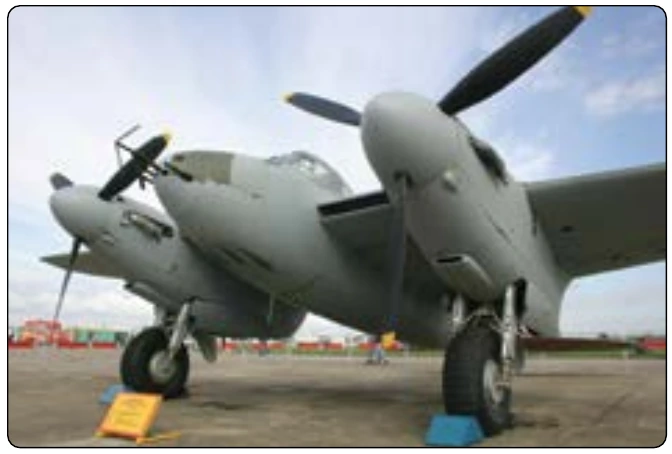
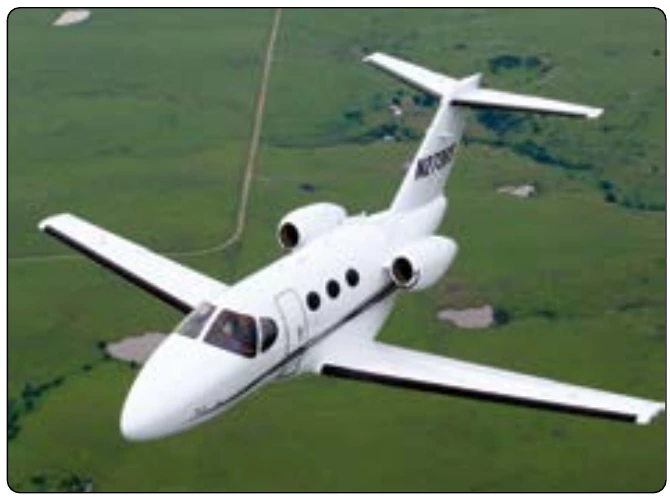
A steady increase in the use of honeycomb and foam core sandwich components and a wide variety of composite materials characterizes the state of aviation structures from the 1970s to the present. Advanced techniques and material combinations have resulted in a gradual shift from aluminum to carbon fiber and other strong, lightweight materials. These new materials are engineered to meet specific performance requirements for various components on the aircraft. Many airframe structures are made of more than 50 percent advanced composites, with some airframes approaching 100 percent. The term “very light jet” (VLJ) has come to describe a new generation of jet aircraft made almost entirely of advanced composite materials. [Figure 1-10] It is possible that noncomposite aluminum aircraft structures will become obsolete as did the methods and materials of construction used by Cayley, Lilienthal, and the Wright Brothers.
General
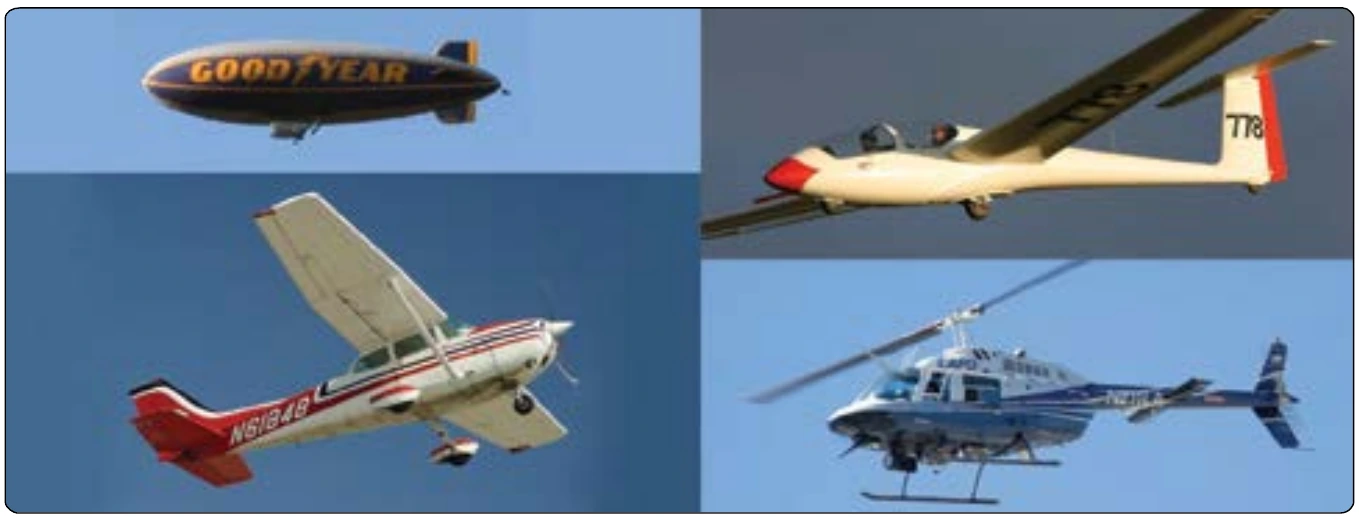
An aircraft is a device that is used for, or is intended to be used for, flight in the air. Major categories of aircraft are airplane, rotorcraft, glider, and lighter-than-air vehicles. [Figure 1-11] Each of these may be divided further by major distinguishing features of the aircraft, such as airships and balloons. Both are lighter-than-air aircraft but have differentiating features and are operated differently.
The concentration of this handbook is on the airframe of aircraft; specifically, the fuselage, booms, nacelles, cowlings, fairings, airfoil surfaces, and landing gear. Also included are the various accessories and controls that accompany these structures. Note that the rotors of a helicopter are considered part of the airframe since they are actually rotating wings. By contrast, propellers and rotating airfoils of an engine on an airplane are not considered part of the airframe.
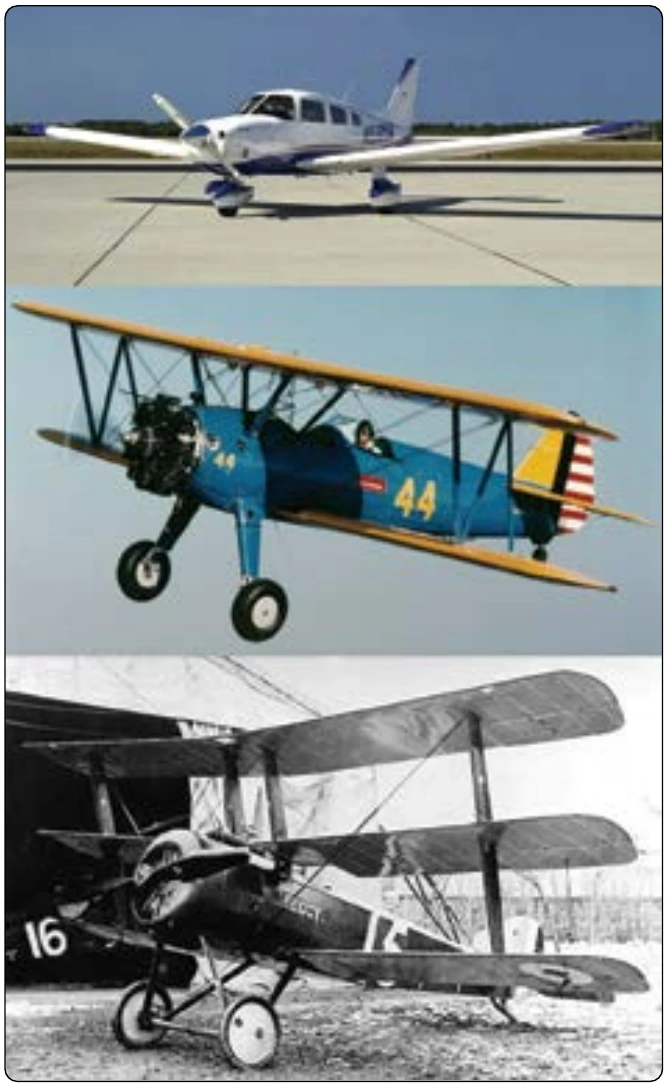
The most common aircraft is the fixed-wing aircraft. As the name implies, the wings on this type of flying machine are attached to the fuselage and are not intended to move independently in a fashion that results in the creation of lift. One, two, or three sets of wings have all been successfully utilized. [Figure 1-12] Rotary-wing aircraft such as helicopters are also widespread. This handbook discusses features and maintenance aspects common to both fixed-wing and rotary-wing categories of aircraft. Also, in certain cases, explanations focus on information specific to only one or the other. Glider airframes are very similar to fixed-wing aircraft. Unless otherwise noted, maintenance practices described for fixed-wing aircraft also apply to gliders. The same is true for lighter-than-air aircraft, although thorough coverage of the unique airframe structures and maintenance practices for lighter-than-air flying machines is not included in this handbook.
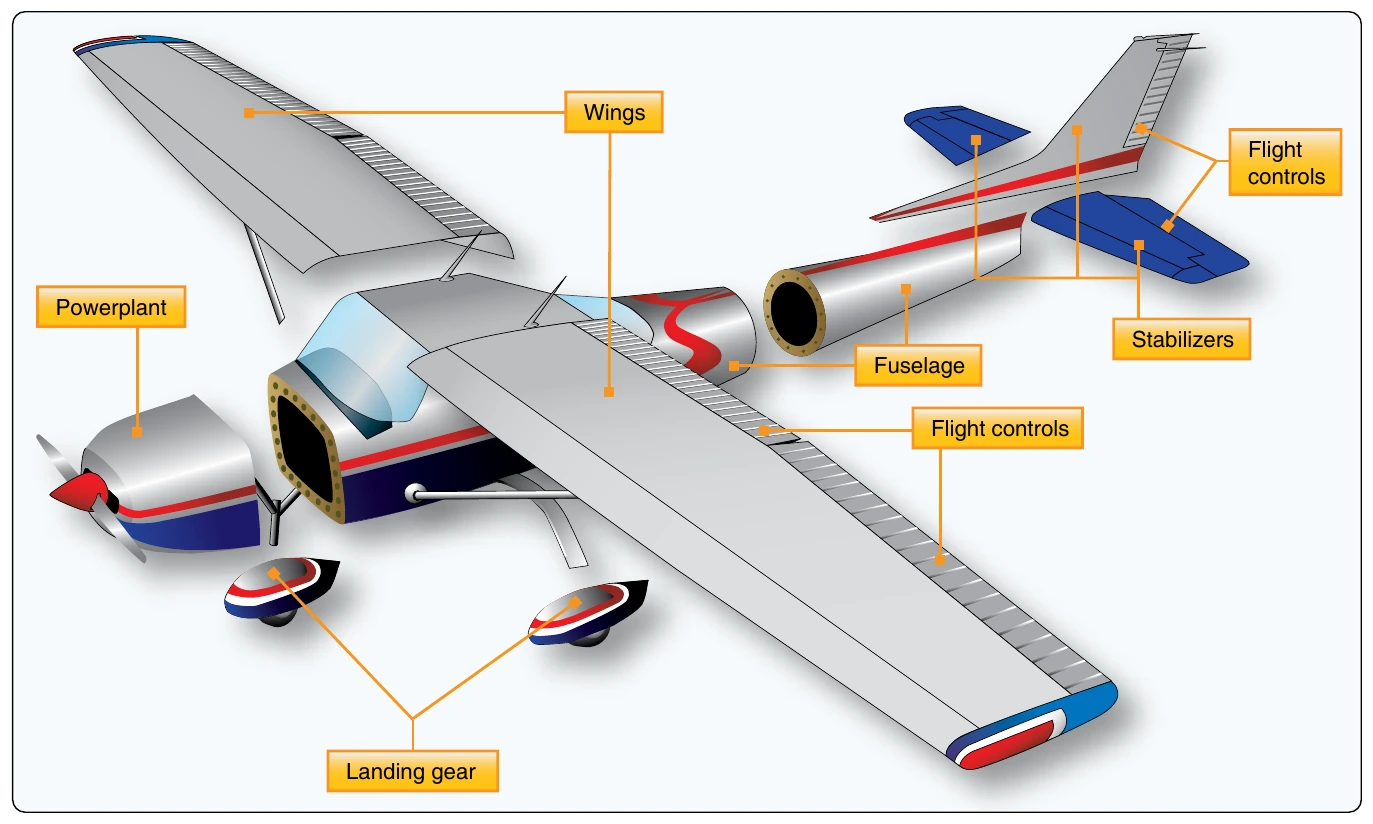
The airframe of a fixed-wing aircraft consists of five principal units: the fuselage, wings, stabilizers, flight control surfaces, and landing gear. [Figure 1-13] Helicopter airframes consist of the fuselage, main rotor and related gearbox, tail rotor (on helicopters with a single main rotor), and the landing gear.
Airframe structural components are constructed from a wide variety of materials. The earliest aircraft were constructed primarily of wood. Aircraft structures were later made of steel tubing and are now most commonly made of aluminum. Many newly certified aircraft are built from molded composite materials, such as carbon fiber. Structural members of an aircraft’s fuselage include stringers, longerons, ribs, bulkheads, and more. The main structural member in a wing is called the wing spar.
The skin of aircraft can also be made from a variety of materials, ranging from impregnated fabric to plywood, aluminum, or composites. Under the skin and attached to the structural fuselage are the many components that support airframe function. The entire airframe and its components are joined by rivets, bolts, screws, and other fasteners. Welding, adhesives, and special bonding techniques are also used.
Major Structural Stresses
Aircraft structural members are designed to carry a load or to resist stress. In designing an aircraft, every square inch of wing and fuselage, every rib, spar, and even each metal fitting must be considered in relation to the physical characteristics of the material of which it is made. Every part of the aircraft must be planned to carry the load to be imposed upon it.
A single member of the structure may be subjected to a combination of stresses. In most cases, the structural members are designed to carry end loads rather than side loads: that is, to be subjected to tension or compression rather than bending.
The determination of such loads is called stress analysis. Although planning the design is not the function of the aircraft technician, it is, nevertheless, important that the technician understand and appreciate the stresses involved in order to avoid changes in the original design through improper repairs.
The term “stress” is often used interchangeably with the word “strain.” While related, they are not the same thing. External loads or forces cause stress. Stress is a material’s internal resistance, or counterforce, that opposes deformation. The degree of deformation of a material is strain. When a material is subjected to a load or force, that material is deformed, regardless of how strong the material is or how light the load is.
There are five major stresses [Figure 1-14] to which all aircraft are subjected: