Chapter 3
Aircraft Fabric Covering
It is possible that additional inspection rings and drain grommets have been specified after the manufacture of the aircraft. Check the Airworthiness Directives (ADs) and Service Bulletins for the aircraft being re-covered to ensure required rings and grommets have been installed.
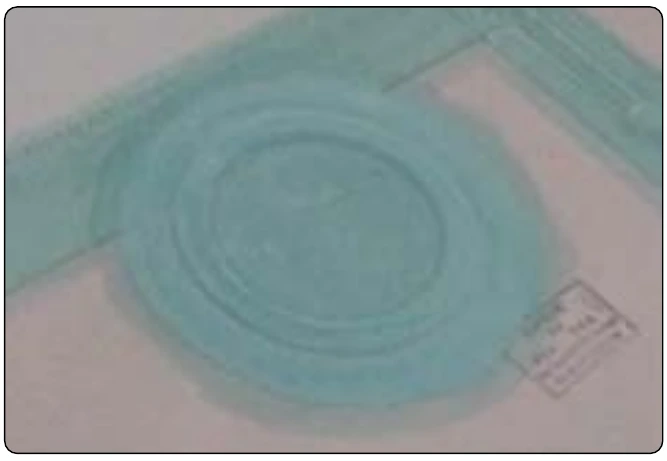
Cable guide openings, strut-attach fitting areas, and similar features, as well as any protrusions in the fabric covering, are reinforced with fabric gussets. These are installed as patches in the desired location. They should be cut to fit exactly around the feature they reinforce to support the original opening made in the covering fabric. [Figure 3-33] Gussets made to keep protrusions from coming through the fabric should overlap the area they protect. Most processes call for the gusset material to be preshrunk and cemented into place using the approved covering process cementing procedures.
Finishing Tapes
Finishing tapes are applied to all seams, edges, and over the ribs once all of the procedures above have been completed. They are used to protect these areas by providing smooth aerodynamic resistance to abrasion. The tapes are made from the same polyester material as the covering fabric. Use of lighter weight tapes is approved in some STCs. Preshrunk tapes are preferred because they react to exposure to the environment in the same way the as the fabric covering. This minimizes stress on the adhesive joint between the two. Straight edged and pinked tapes are available. The pinking provides greater surface area for adhesion of the edges and a smoother transition into the fabric covering. Only tapes approved in the STC under which work is being accomplished may be used to be considered airworthy.
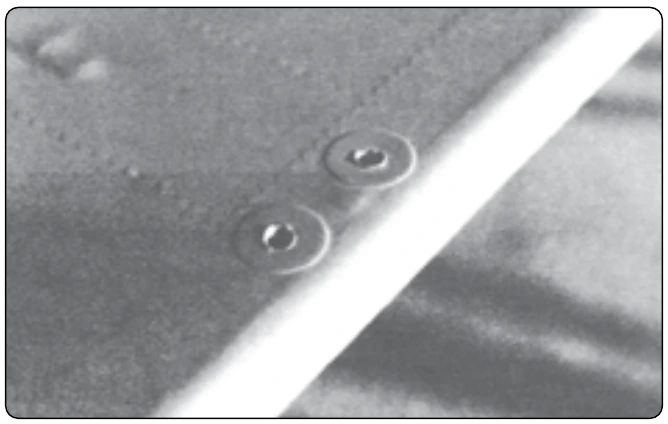
Finishing tapes from one to six inches in width are used. Typically, two inch tapes cover the rib lacing and fuselage seams. Wing leading edges usually receive the widest tape with four inches being common. [Figure 3-34] Bias cut tapes are often used to wrap around the curved surfaces of the airframe, such as the wing tips and empennage surface edges. They lay flat around the curves and do not require notching. Finishing tapes are attached with the process adhesive or the nitrate dope sealer when using a dope-based process. Generally, all chordwise tapes are applied first followed by the span-wise tapes at the leading and trailing edges. Follow the manufacturer’s STC or AC 43.13-1 instructions.
Coating the Fabric
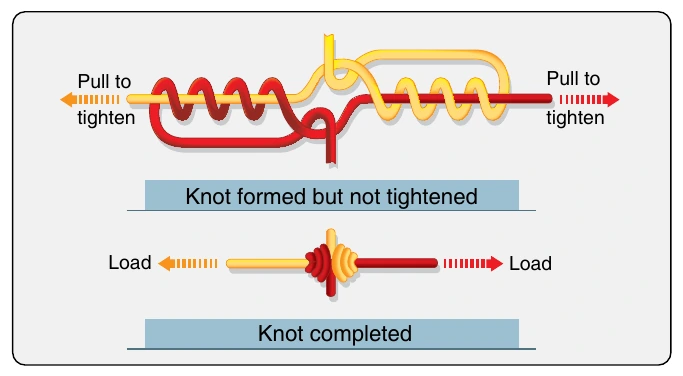
The sealer coat in most fabric covering processes is applied after all finishing tapes have been installed unless it was applied prior to rib lacing as in a dope-based finishing process. This coat saturates and completely surrounds the fibers in the polyester fabric, forming a barrier that keeps water and contaminants from reaching the fabric during its life. It is also used to provide adhesion of subsequent 1 2 3 4
Pull tight coatings. Usually brushed on in a cross coat application for thorough penetration, two coats of sealer are commonly used but processes vary on how many coats and whether spray coating is permitted.
With the sealer coats installed and dried, the next step provides protection from UV light, the only significant cause of deterioration of polyester fabric. Designed to prevent UV light from reaching the fabric and extend the life of the fabric indefinitely, these coating products, or fill coats, contain aluminum solids premixed into them that block the UV rays. They are sprayed on in the number of cross coats as specified in the manufacturer’s STC or AC 43.13-1 instructions under which work is done. Two to four cross coats is common. Note that some processes may require coats of clear butyrate before the blocking formula is applied.
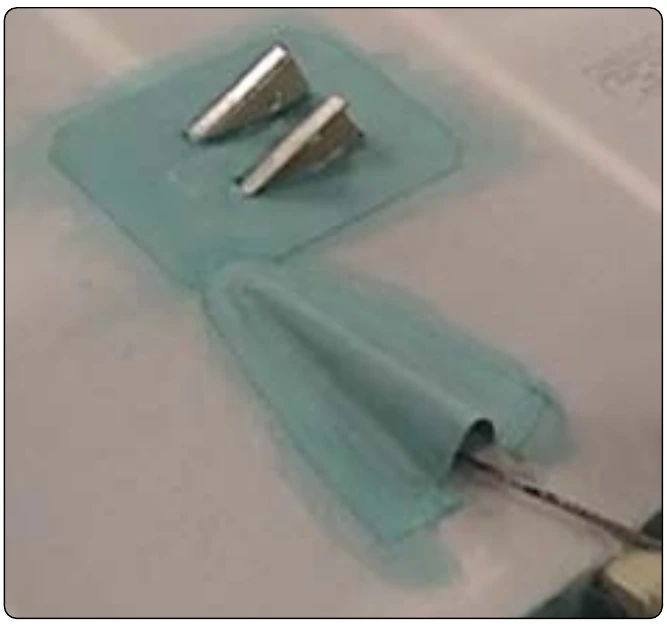
Fabric primer is a coating used in some approved covering processes that combines the sealer and fill coatings into one. Applied to fabric after the finishing tapes are installed, these fabric primers surround and seal the fabric fibers, provide good adhesion for all of the following coatings, and contain UV blocking agents. One modern primer contains carbon solids and others use chemicals that work similarly to sun block for human skin. Typically, two to four coats of fabric primer are sufficient before the top coatings of the final finish are applied. [Figure 3-35]
The FAA-certificated mechanic must strictly adhere to all instructions for thinning, drying times, sanding, and cleaning.