
Chapter 5
Improvement Plans
Synthetic Vision Guidance System (SVGS)
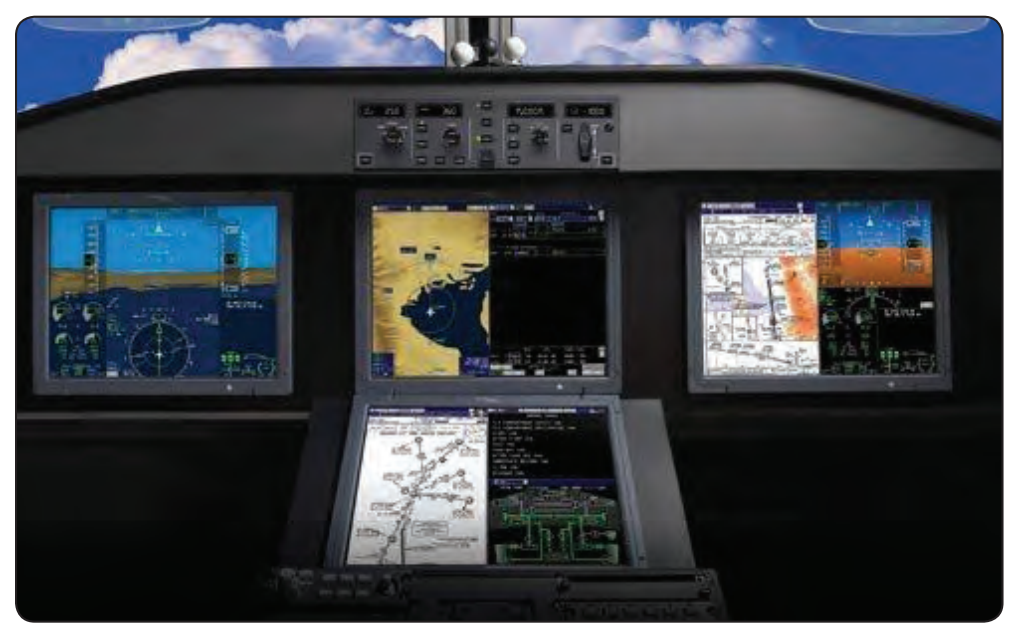
SVGS is a combination of flight guidance display technology and high precision position assurance monitors. The SVGS flight instrument display provides a continuous, geo-spatially correct, database driven, computer-generated synthetic depiction of the nearby topography, including obstacles, and a display of the landing runway. The SVGS display may be implemented on a head down Primary Flight Display, and/or a Head-Up Display (HUD). SVGS includes additional symbology, integrity and performance monitors and annunciations that enable low visibility operations. These additional monitors assure an accurate depiction of the external scene. An SVGS differs from an EFVS in that it does not produce a real-time image of the external scene. SVGS may not be used in lieu of natural vision. SVGS is intended to be used to increase situational awareness on the straight-in final approach segment of published instrument approaches and requires Special Authorization.
Enhanced Flight Vision System (EFVS)
For an in-depth discussion regarding Enhanced Flight Vision Systems, see Chapter 4 of this handbook as well as AC 90-106 (current version).
Combined Vision System Technology
The FAA’s NextGen program will transform the NAS to accommodate a projected three-fold increase in air operations in the coming decade. Technological and systemic changes are being developed to significantly increase the capacity, safety, efficiency, and security of air operations in the NAS. The FAA will continue to evaluate, standardize and regulate emerging and enhanced technologies to ensure their safe and advantageous use in the NAS. One key capability envisioned to achieve these goals is the concept of equivalent visual operations (EVO), where flight operations continue irrespective of the actual weather conditions. One way EVO might be attained is by using a combined vision system (CVS) which combines real-time EFVS imagery with a database-derived synthetic rendering of surrounding terrain, obstacles, and flight environment, to provide a virtual visual flight depiction for the pilot.
Electronic Flight Bag (EFB)
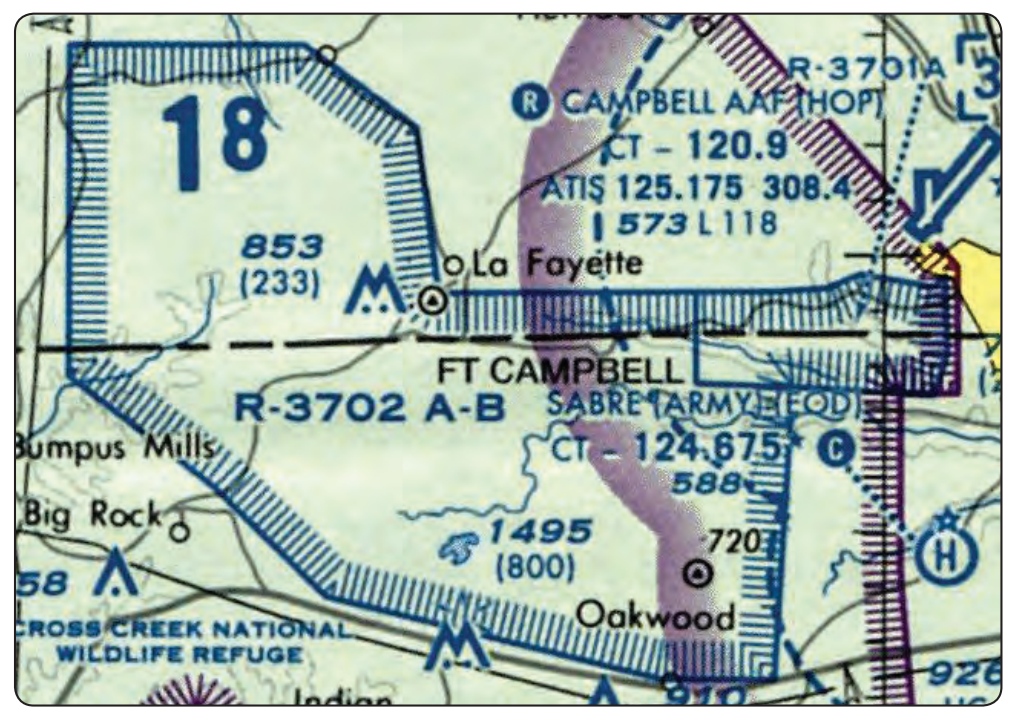
The electronic flight bag (EFB) is a system for pilots or crewmembers that provide a variety of electronic display, content manipulation, and calculation capabilities. Functions include, but are not limited to, aeronautical charts, documents, checklists, weight & balance, fuel calculations, moving maps, and logbooks.
EFB systems may manage information for use in the cockpit, cabin, and/or in support of ground operations and planning. The use of an EFB is unique to each aircraft operator and, depending on the type of operation, EFB use may require an authorization for use from the FAA issued as either an operations specification (OpSpec), maintenance specification (MSpec), or letter of authorization (LOA).
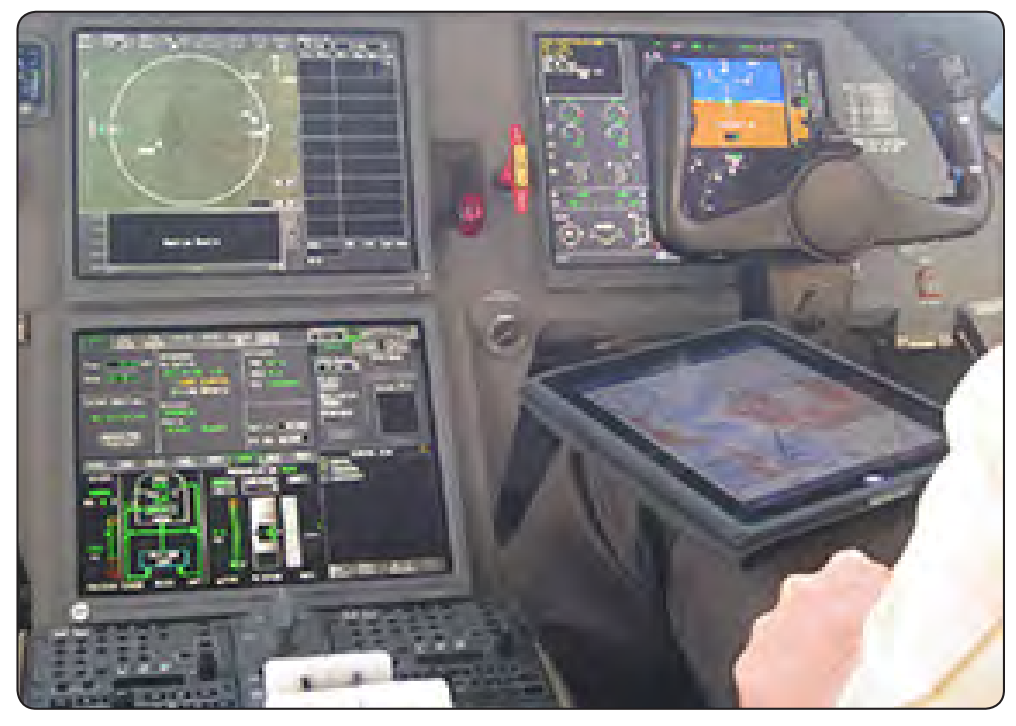
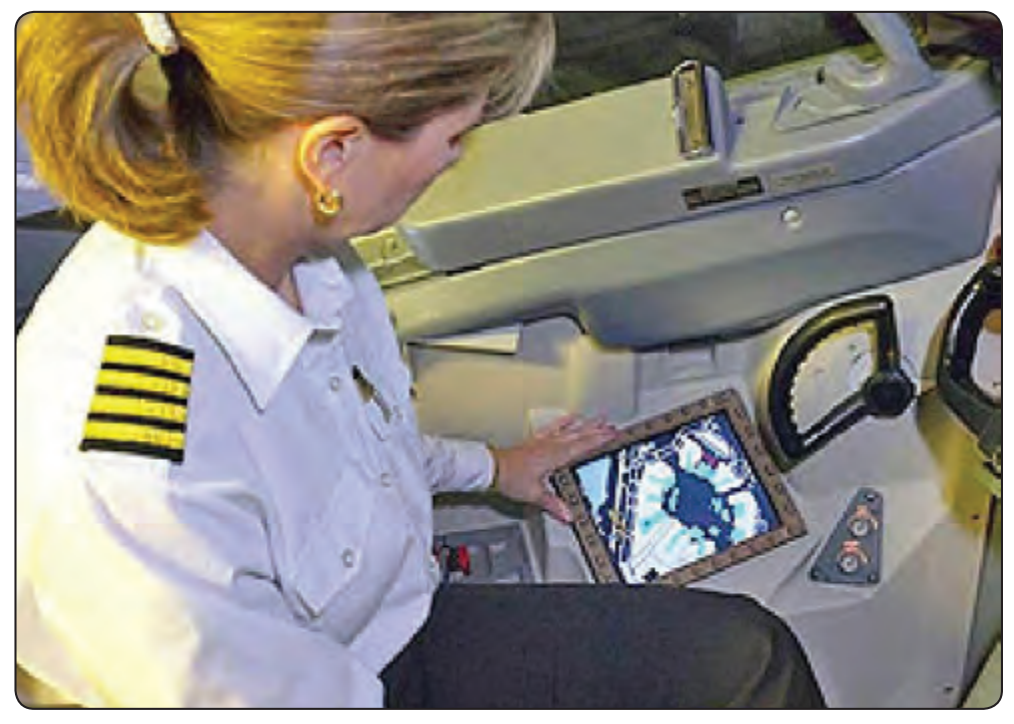
EFBs can be portable [Figure 5-18] or installed [Figure 5-19] in the aircraft. Portable EFBs may have a provision for securing in the cockpit for use during all phases of flight. The hardware device, whether it’s an installed avionics display or portable commercial-off-the-shelf (COTS) device, commonly referred to as a portable electronic device (PED), is not considered to be an EFB unless the hardware device hosts and actively displays either Type A or B software application(s). A non-inclusive list of Type A and B software application examples can be found in appendix 1 and 2 of FAA Advisory Circular (AC) 120-76.
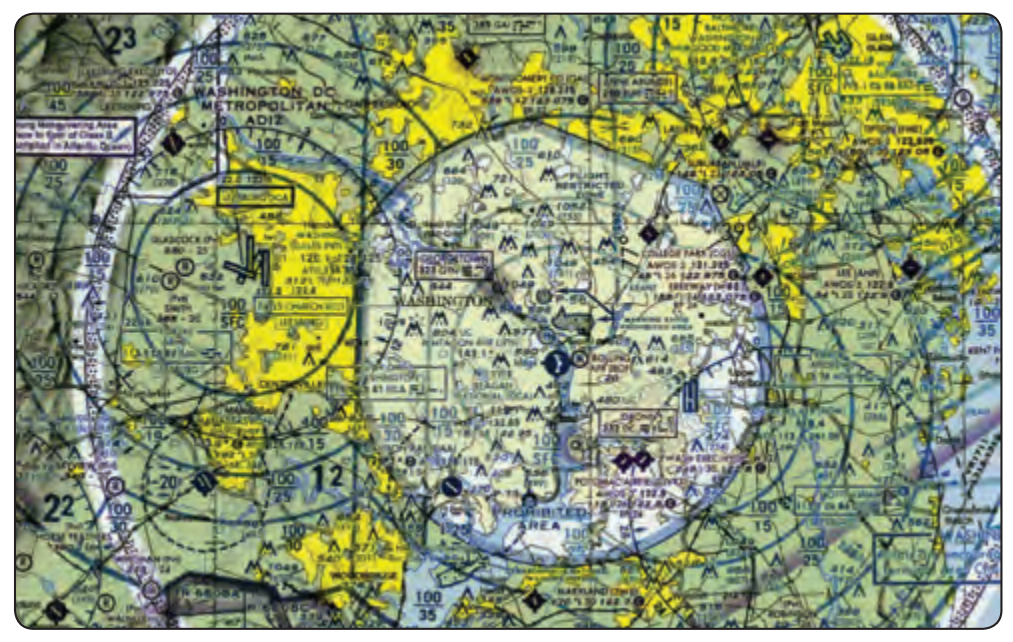
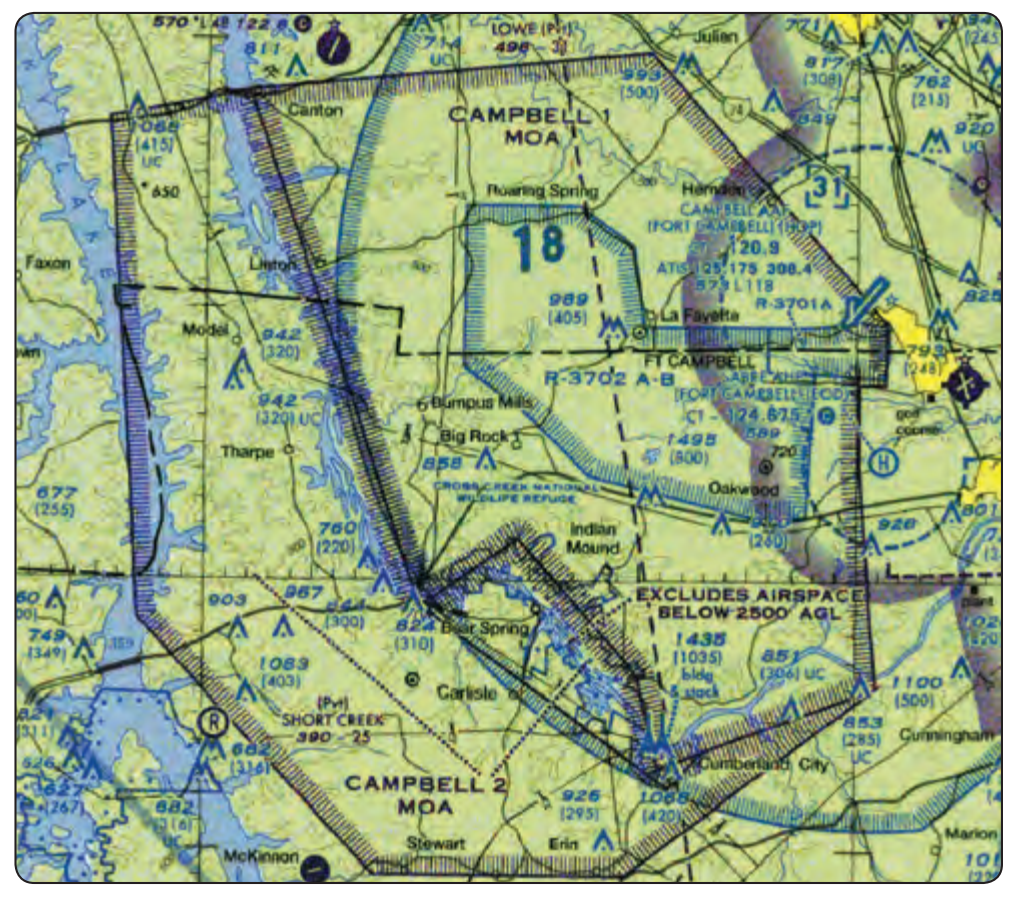
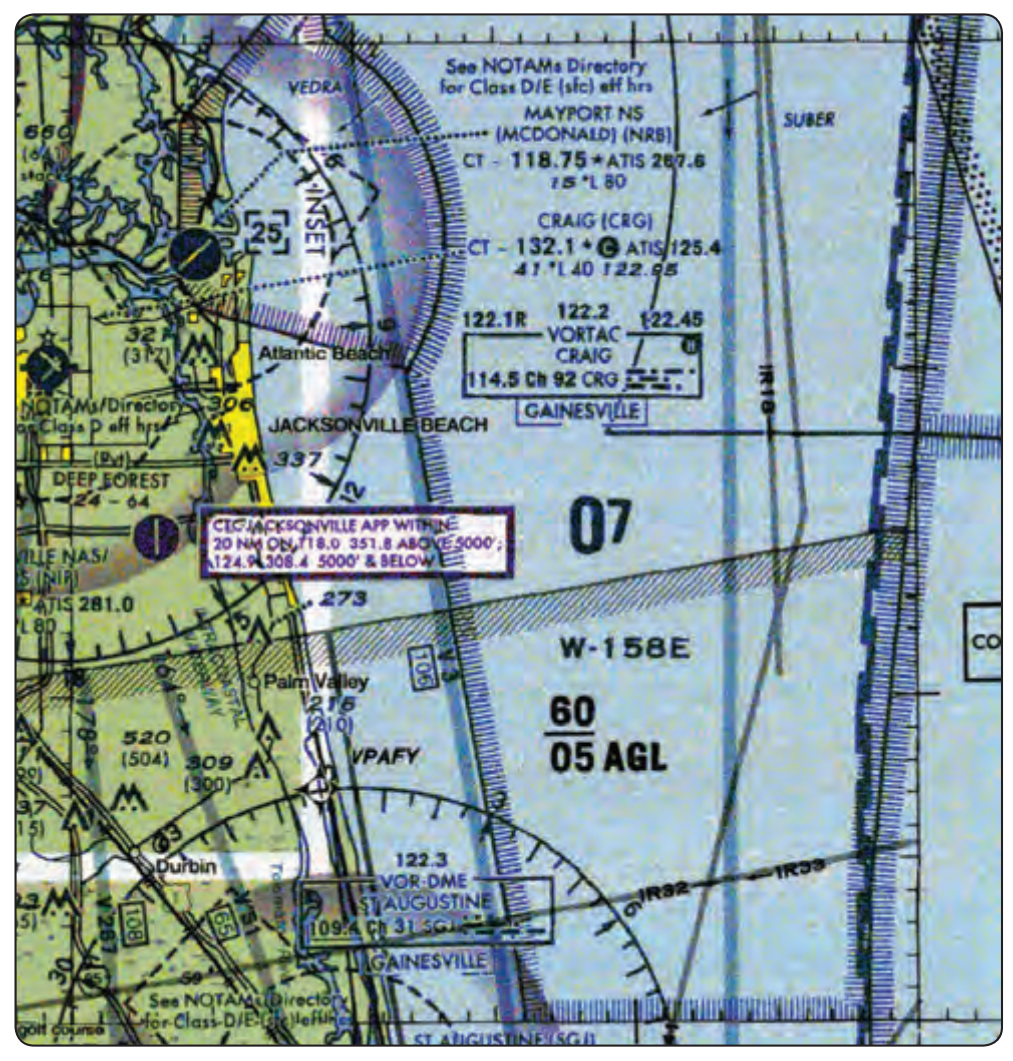
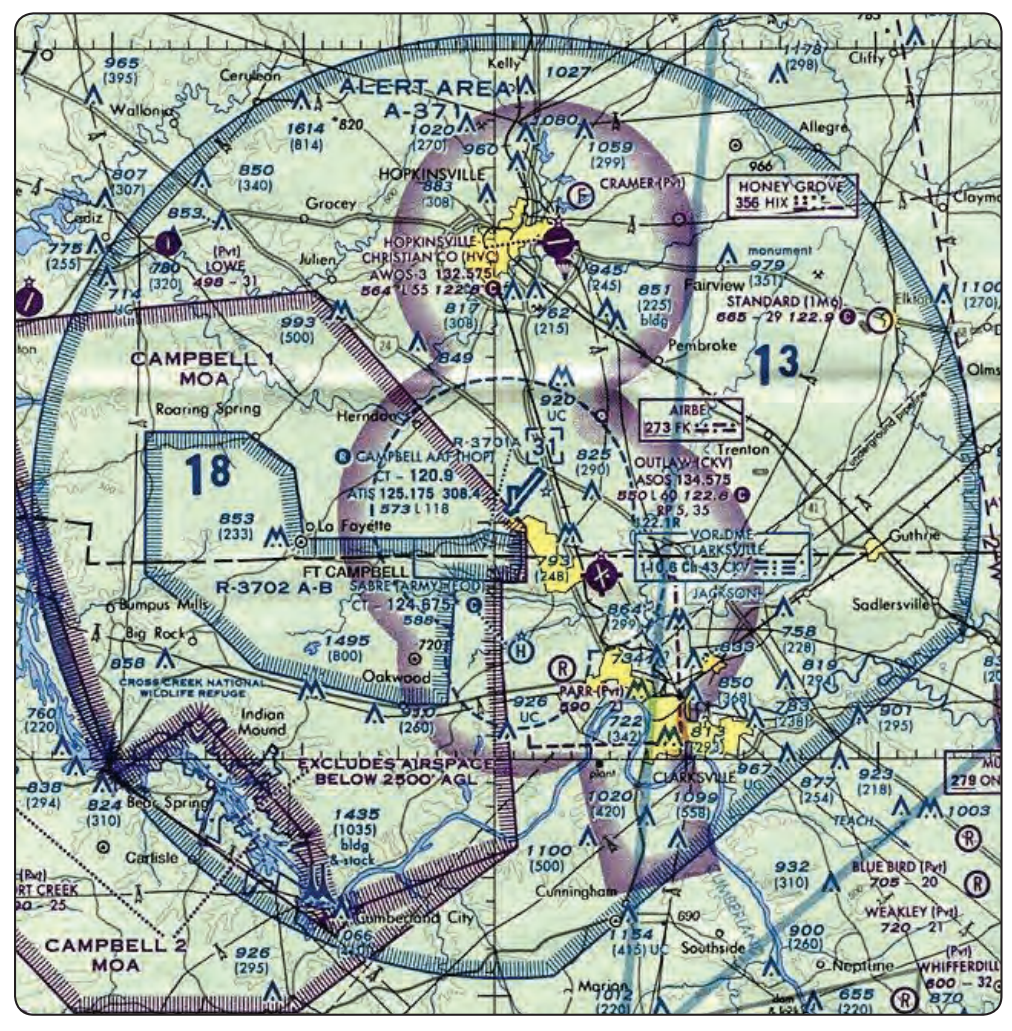
The purpose, technology, and functions for EFB use are rapidly evolving. New and advanced software applications and databases beyond traditional flight bag uses continue to be developed. The FAA has published and continues to update EFB policy and guidance to educate and assist aircraft operators interested in using or obtaining an EFB authorization as appropriate. The most current editions of the following FAA guidance and policy can be accessed from the FAA’s website (http://www.faa.gov) or FAA’s Flight Standards Information Management System (FSIMS http://fsims.faa.gov).
- AC 120-76, Guidelines for the Certification, Airworthiness, and Operational Use of Electronic Flight Bags;
- AC 91-78, Use of Class 1 or Class 2 Electronic Flight Bag (EFB);
- AC 20-173, Installation of Electronic Flight Bag Components;
- FAA Order 8900.1 Volume 4, Chapter 15, § 1, Electronic Flight Bag authorization for use; and
- FAA Order 8900.1 Volume 3, Chapter 18, § 3, Part A Operations Specifications - General