
Chapter 6
Hand Tools, Sewing Machines, and the Parachute Loft
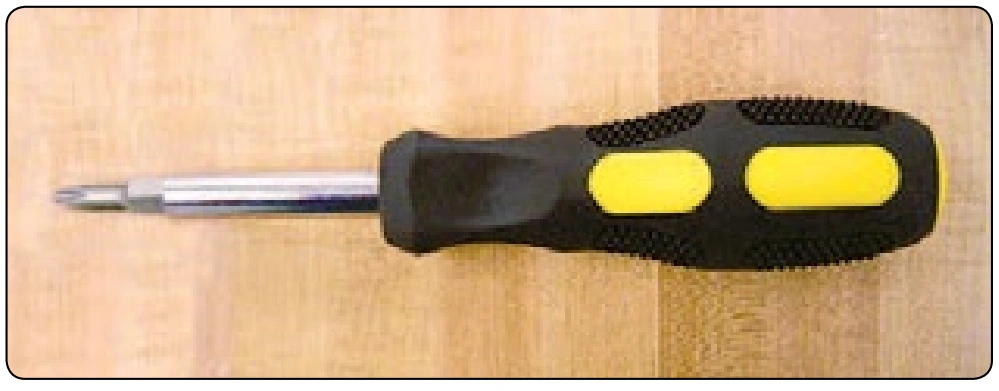
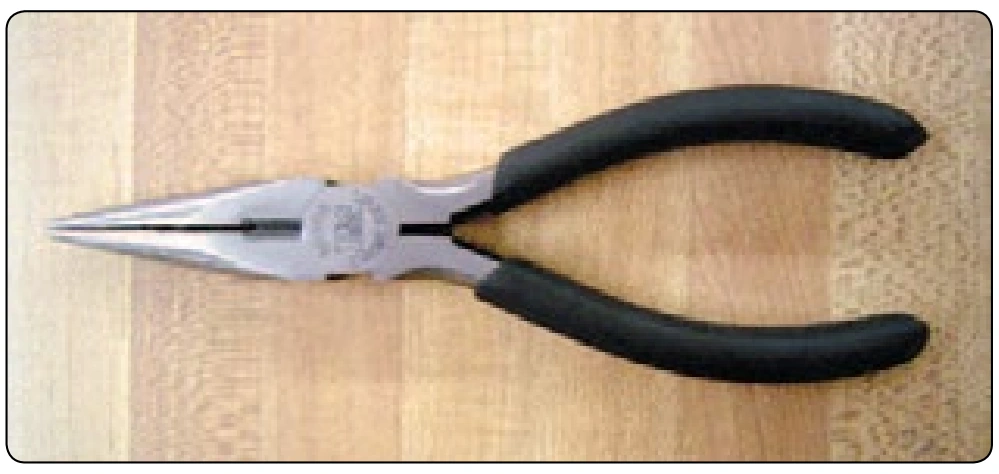
Needle-nose pliers—used for heavy-duty gripping and pulling, such as for needles in webbing. A small needle-nose plier is also handy for pulling thread after a seam ripper has been used. [Figure 6-44]
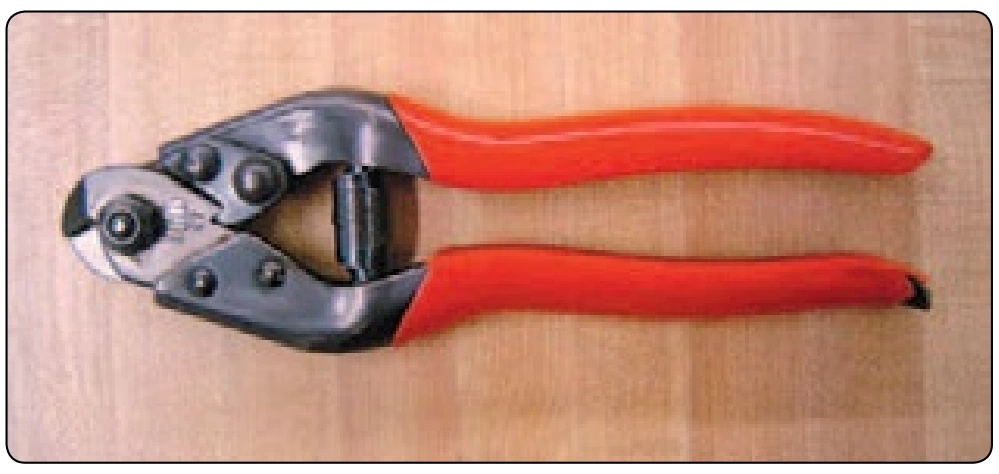
Cable cutters—used for cutting stainless steel cable and trimming the 3-ring release cable to length. A good quality cable cutter, such as the Felco™ model C7, cuts the cable cleanly. Electrician’s pliers or diagonal cutters flatten the ends of the wire unless they are of high quality and sharp. [Figure 6-45]
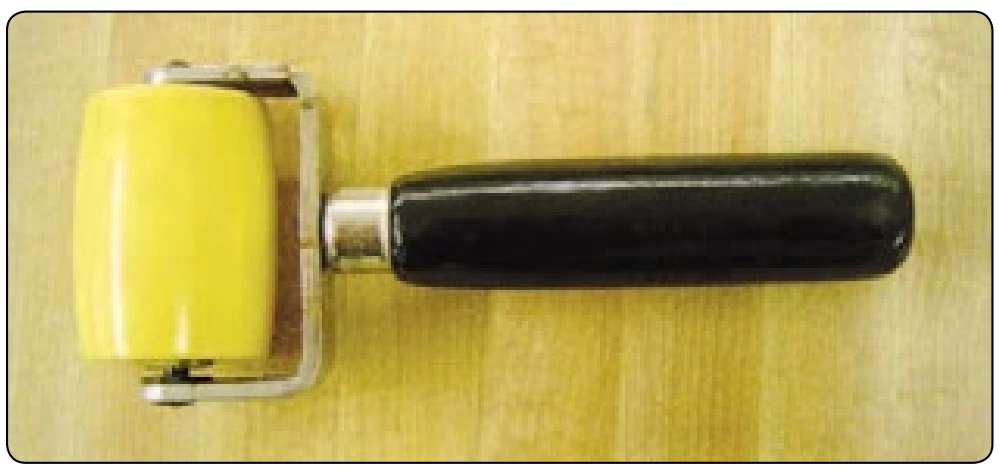
Ripstop roller—used for applying ripstop tape for canopy repairs. It removes air bubbles and wrinkles. A standard wallpaper roller works well. [Figure 6-46]
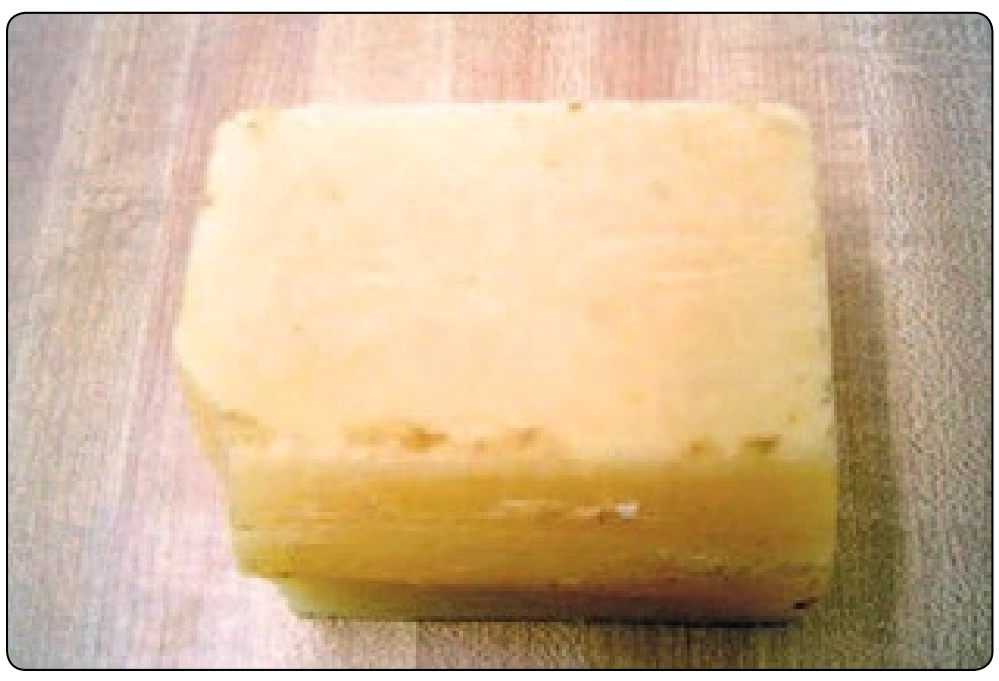
Beeswax—used for waxing 6-cord nylon or any regular thread for hand tacking. [Figure 6-47]
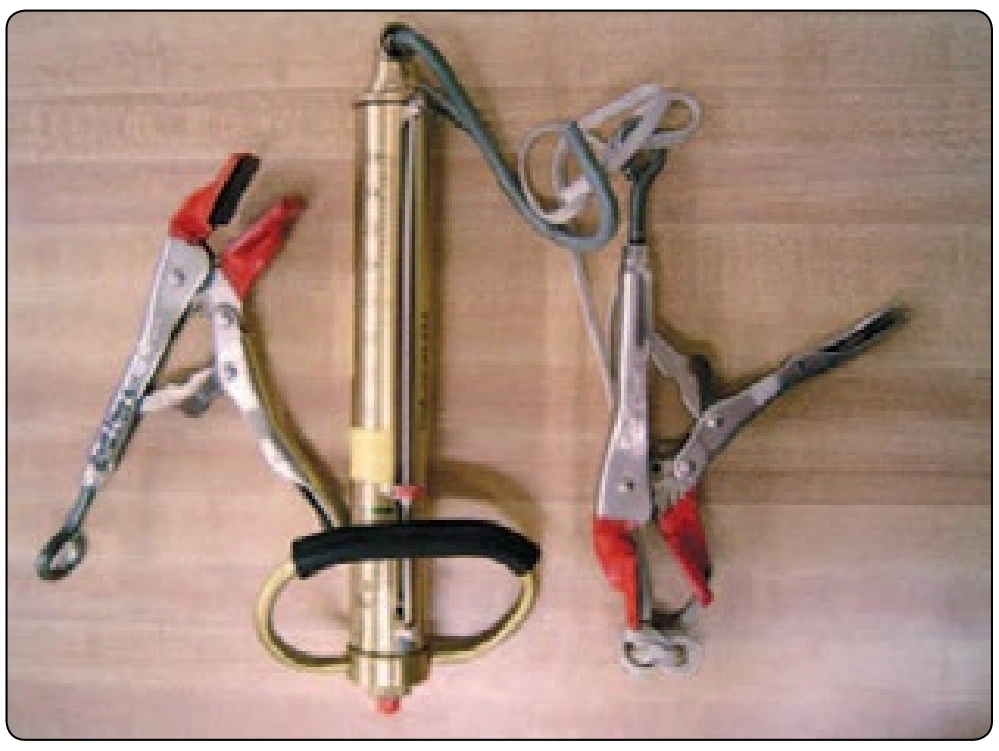
Spring scale and fabric testing clamps—used for measuring the ripcord pull force on reserve and emergency parachutes.
With a minimum rating of 50 pounds, it is also used in conjunction with the fabric testing clamps to measure fabric strength on reserve canopies in accordance with Parachute Industry Association (PIA) TS-108. Some riggers do not use testing clamps as they can cause damage to good fabric, if not used properly. [Figure 6-48]
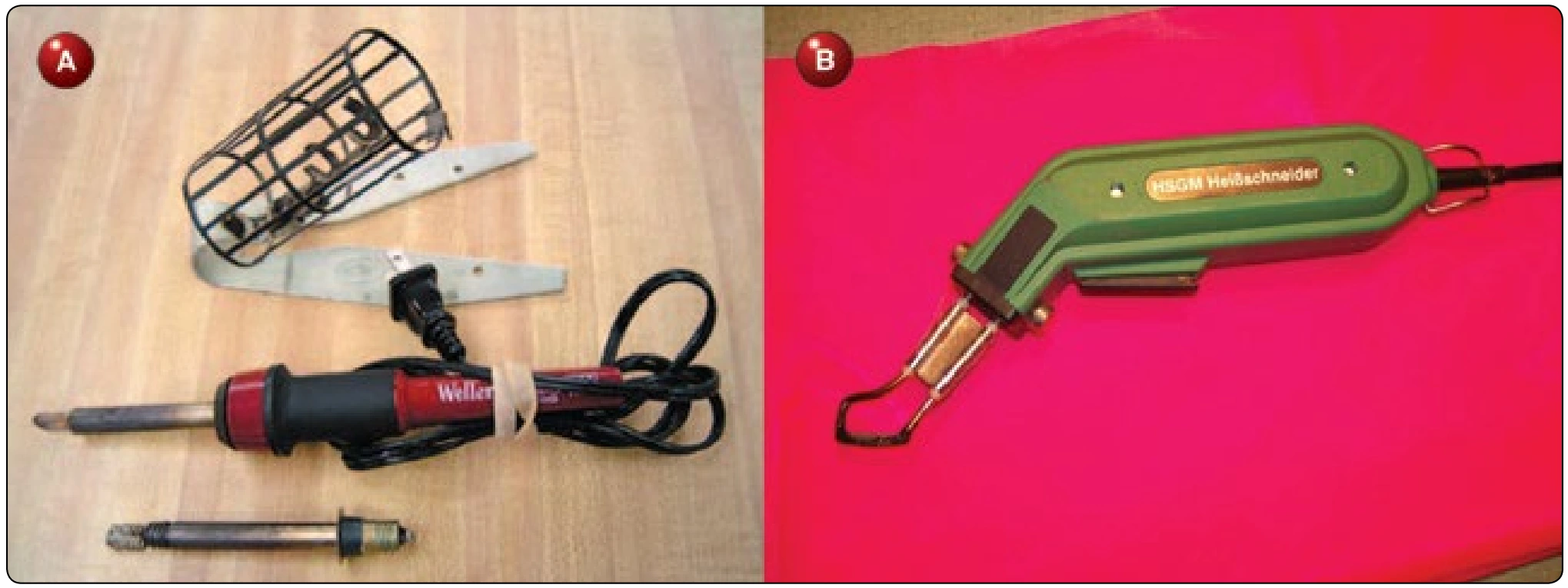
Hot knife element with cutting tip, basting tip, and stand— used for cutting and searing synthetic materials, such as nylon, Dacron®, and Spectra®. The basting tip is used for fusing canopy material in place prior to sewing during canopy repairs. The stand is necessary to keep the hot elements from causing a fire. A heavy-duty hot knife, although expensive, is a must have for any serious rigger. [Figure 6-49 A and B]
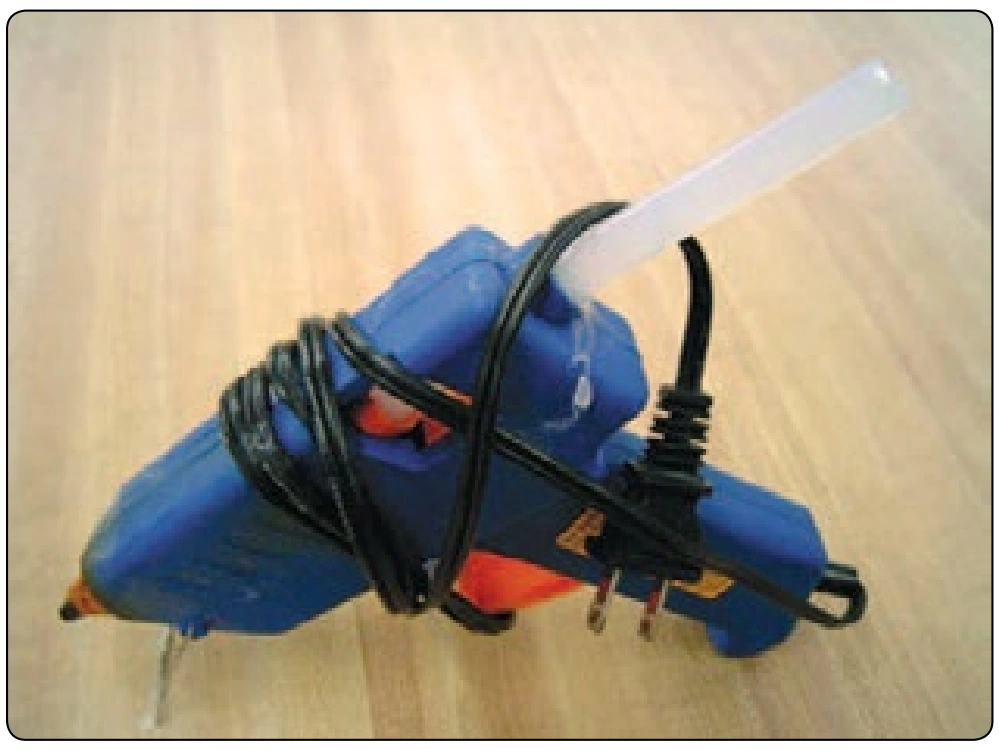
Hot glue gun—used to replace staples and hand basting in harness work. This modern tool has changed harness repair and construction techniques. [Figure 6-50]
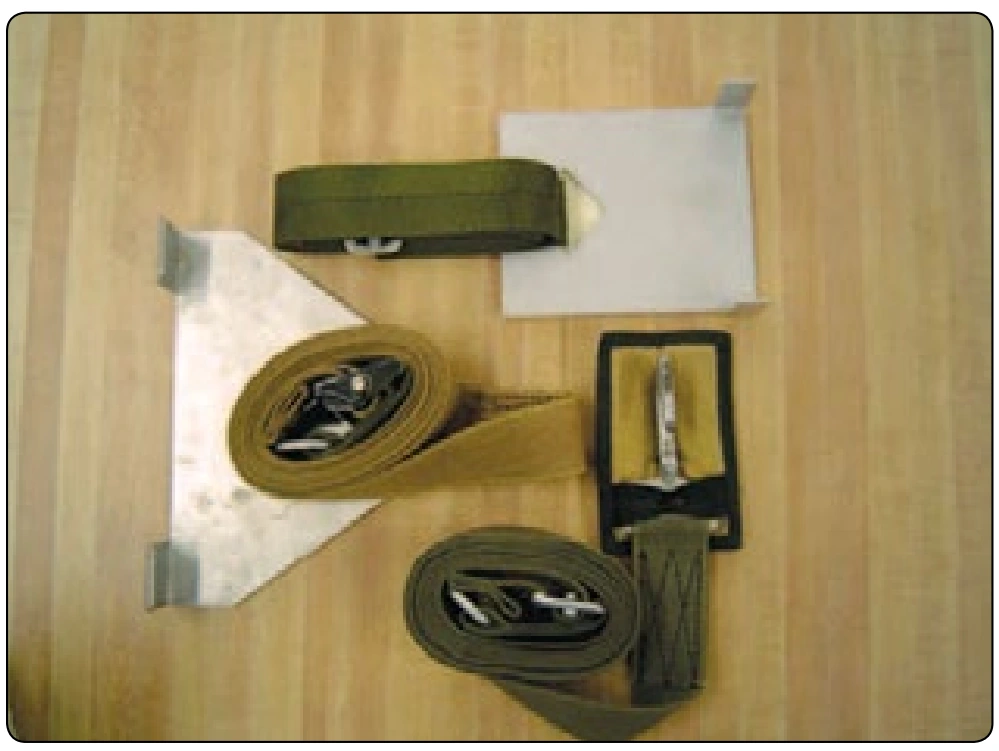
Tension board assembly with apex tiedown—used on the round packing table to apply tension to the canopy when packing. There are two models available. One is for military style L-bar connector links and another, smaller one for Rapide® style connector links. The straps should have a quick release feature to release tension easily. [Figure 6-51]
Size “O” rolled rim spur grommet handset—used for doing container repairs. The “O” stainless steel model from
Stimpson Co., Inc. is the most useful grommet set because it has a replaceable die insert section, that wears out in time and can be replaced. It is also the highest quality. The stainless steel set works for both brass and stainless steel grommets. For the rigger who does not replace as many stainless grommets, the hand set from Lord and Hodge size “0” will also set stainless steel spur grommets, but does not last as long as the commercial handset. The other sizes most often used are “3” and “5” to set brass or nickel plated. [Figure 6-52]