Chapter 6
Hand Tools, Sewing Machines, and the Parachute Loft
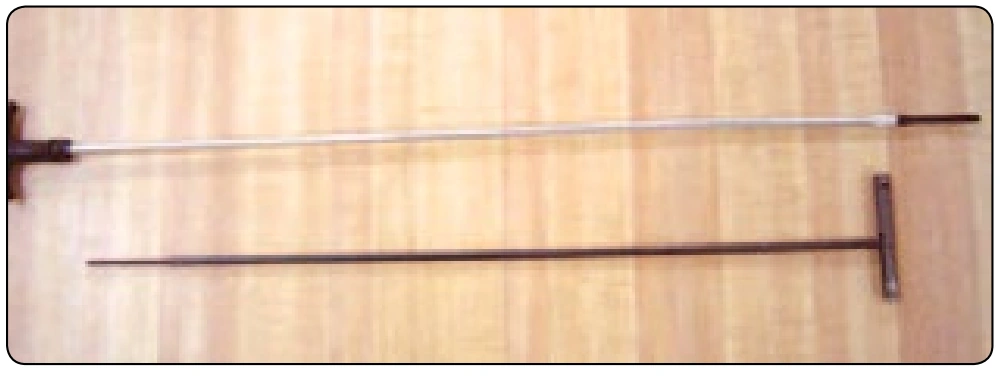
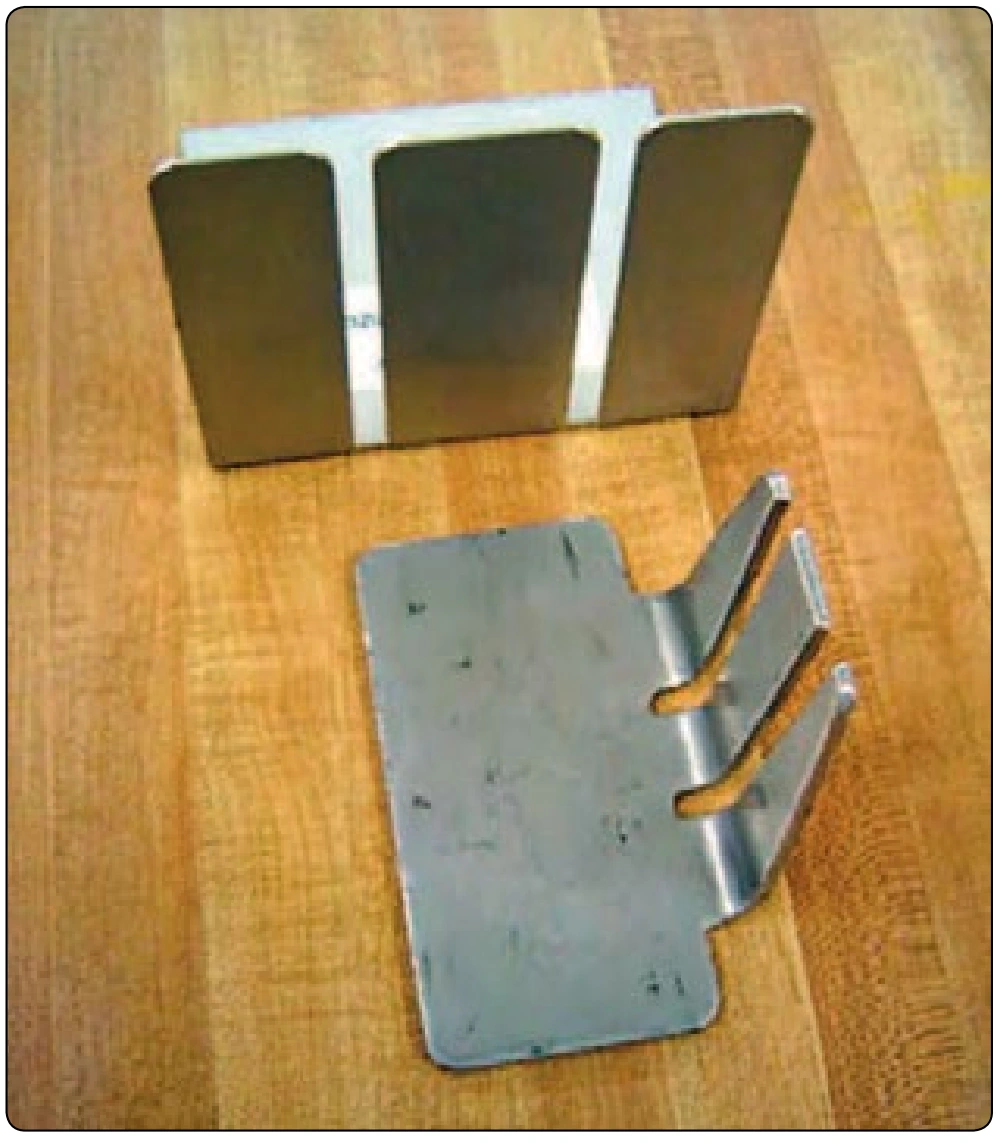
Line separator (suspension line holder)—used to keep the suspension lines of the canopy in order while pleating. It is made from aluminum with three “fingers” and two slots. [Figure 6-25]
Connector link separator tool—used to separate military style connector links, such as MS-22002 and MS-70118. The tool is Mil Spec PN 11-1-176. [Figure 6-26]
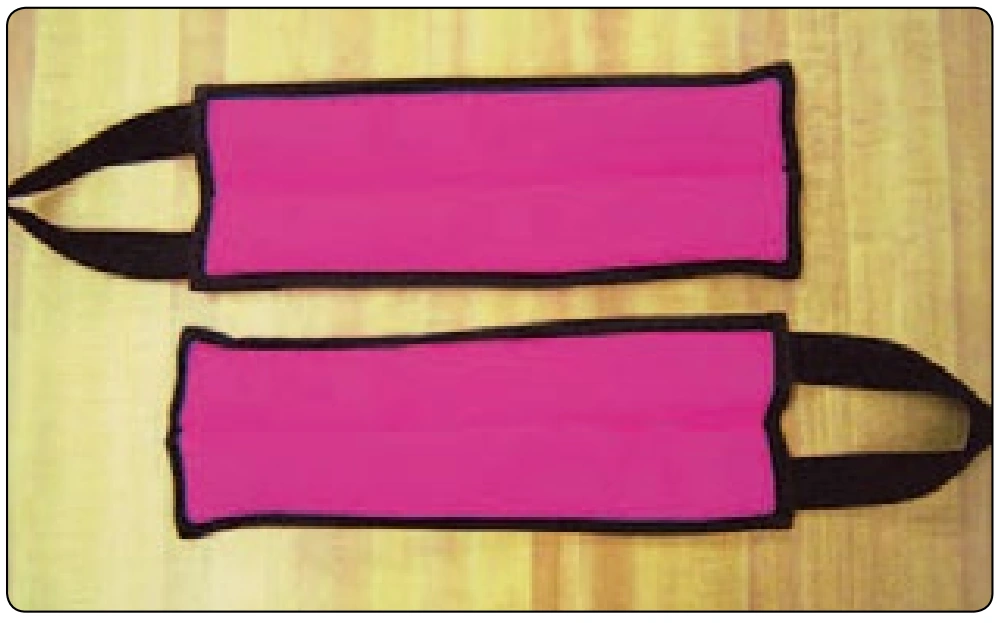
Shot bags—used to hold the canopy and suspension lines in place while folding. Packing weight made from nylon fabric and filled with lead shot for weight. These should be brightly colored or have a flag attached to prevent leaving in the parachute. Weight varies from 2–5 pounds according to needs. A minimum of four is needed. Making shot bags provides an excellent sewing project for the rigger candidate. [Figure 6-27]
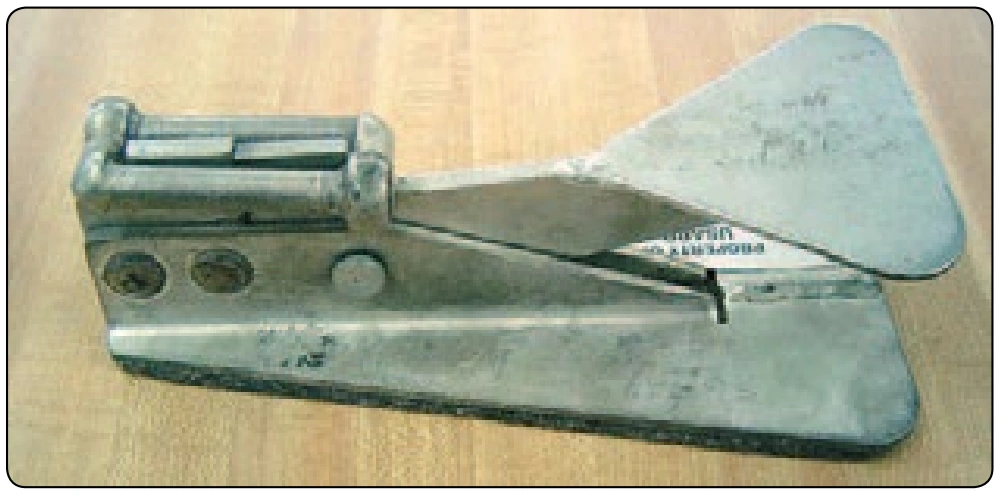
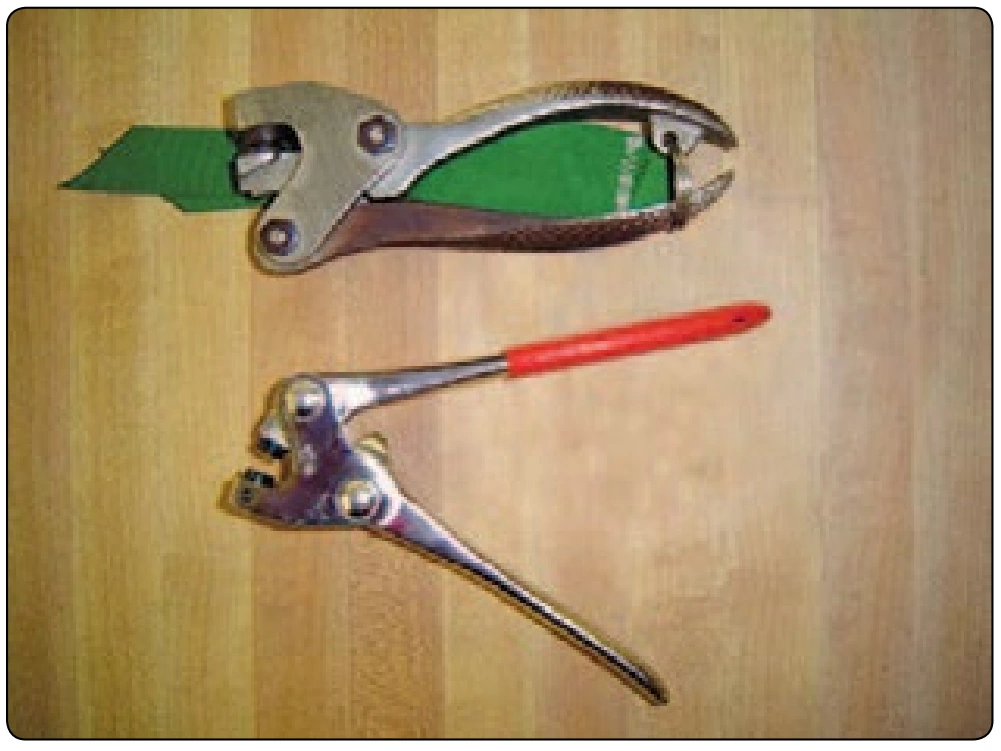
Seal press—used for compressing lead seals when sealing the parachute under Title 14 of the Code of Federal Regulations 14 (CFR) part 65, section 65.133. The die of the press has the rigger’s seal symbol engraved in the face for identifying the seal. [Figure 6-28]
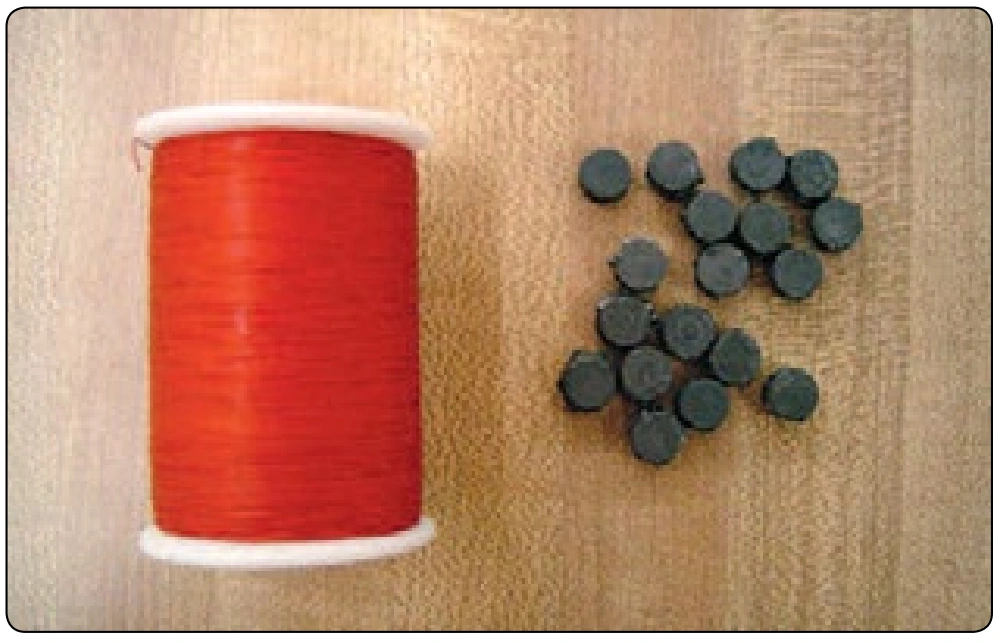
Lead seals and seal thread— used with the seal press to seal the parachute, usually 3⁄8" diameter. The thread is used to seal the parachute in accordance with 14 CFR part 65, section 65.133. A cotton thread, usually ticket 20/4 with a tensile strength of 4.7 pounds; also used as safety tie where required.
Due to the fact that seal thread is only available in 100-pound lots, some manufacturers buy it and then put it up on smaller spools and make it available to riggers. [Figure 6-29]
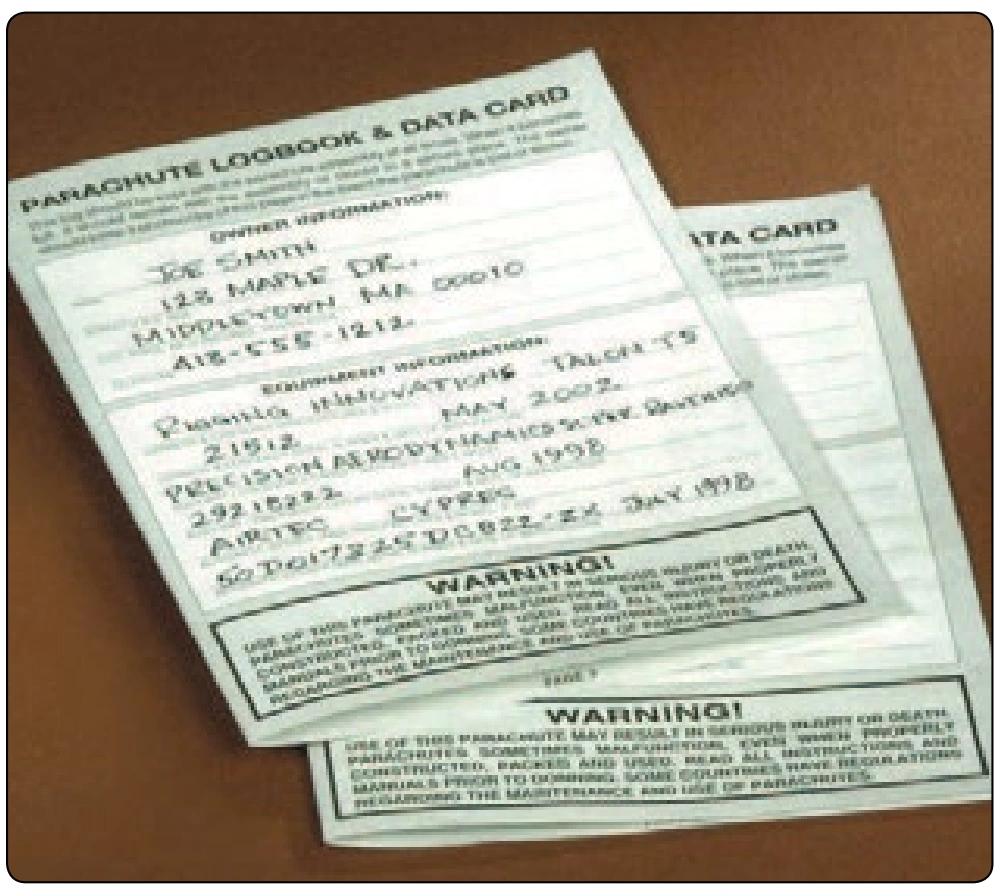
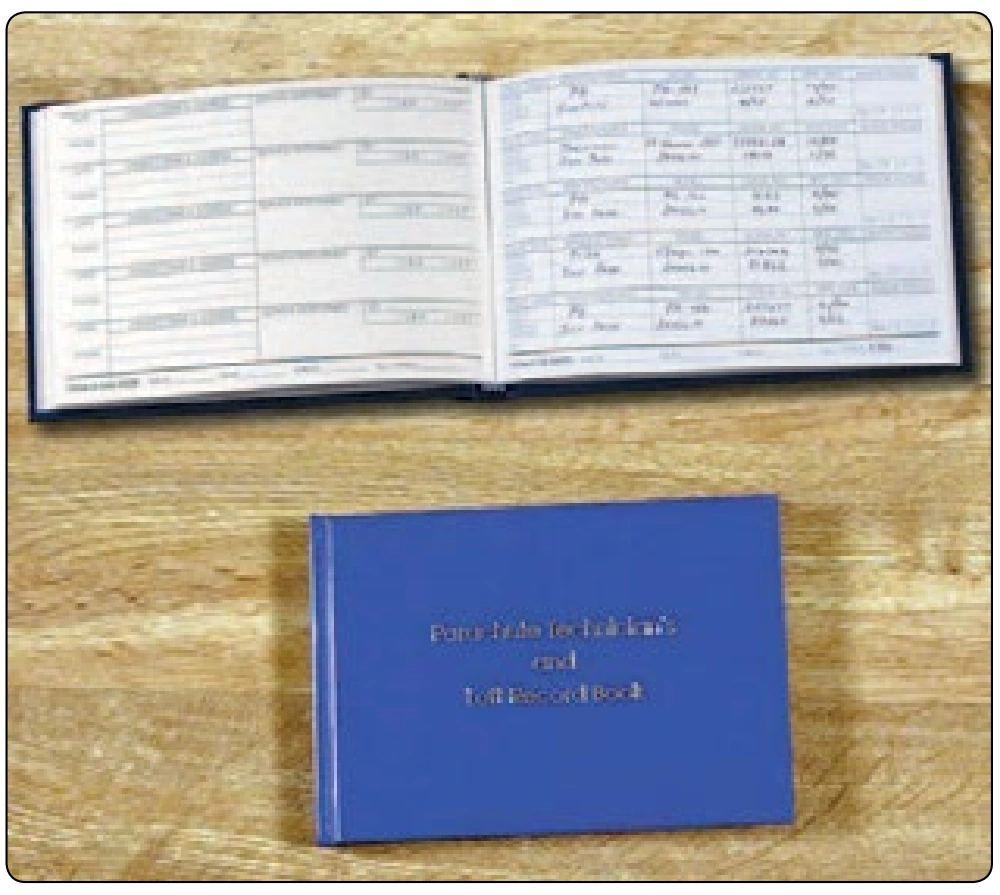
Rigger’s logbook—used by riggers to meet the recordkeeping requirements of 14 CFR part 65, section 65.131. [Figure 6-30] Packing data card—used to fulfill the recordkeeping requirements of 14 CFR part 65, section 65.131(c) that is normally made of Ty-Vek® material and is kept with the parachute. Ty-Vek® is difficult to write on with a ball point pen. One pen that works very well is the “Pilot ultra-fine point NO XYLENE - permanent type SCA-UF.” This pen can be found at office supply stores, although you may have to order them. They come in black, red, and blue. [Figure 6-31]
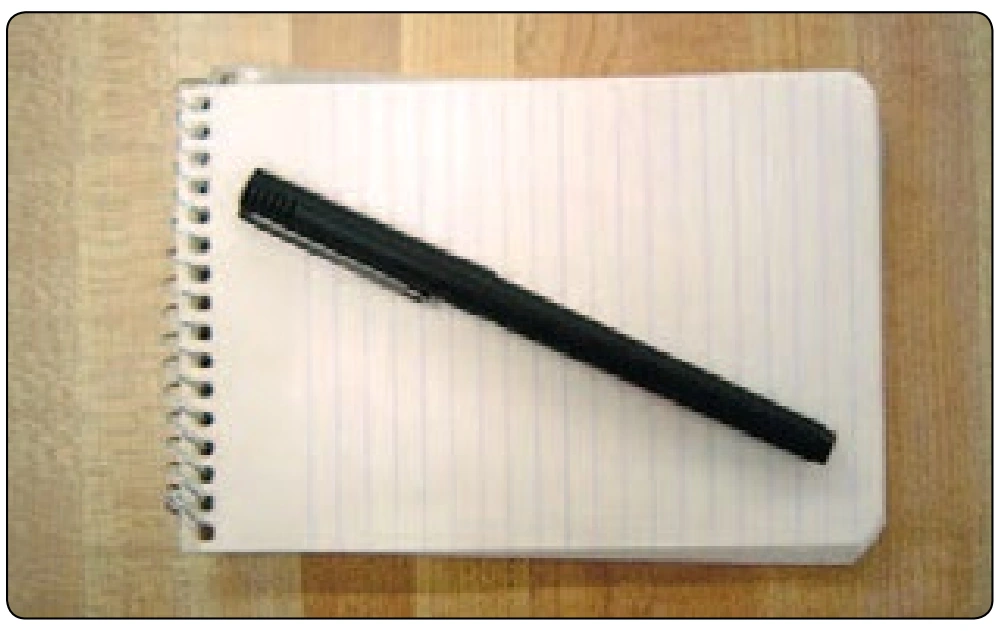
Note pad—used for recording miscellaneous information or making sketches when working on parachutes. [Figure 6-32]
Rubber bands—used for stowing suspension lines, bridles, or static lines. Three sizes are common today. Besides the normal 2-inch size, there is a smaller 1-inch size for the newer microline and a larger one used for tandem parachutes.
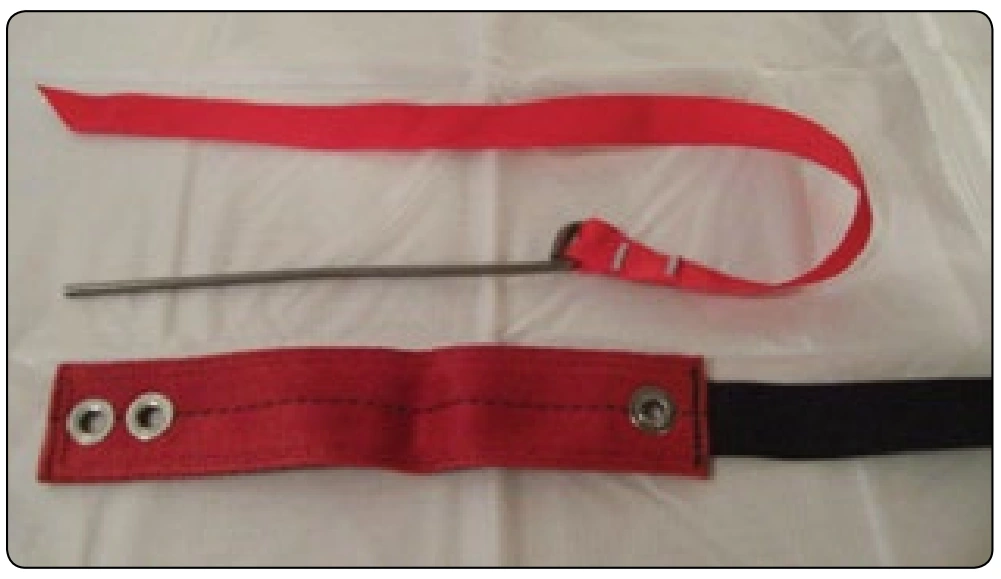
Tube Stoes® used in place of rubber bands are required by some manufacturers, such as Butler Parachute Systems, Inc. [Figure 6-33]