
Chapter 13
Aircraft Landing Gear Systems
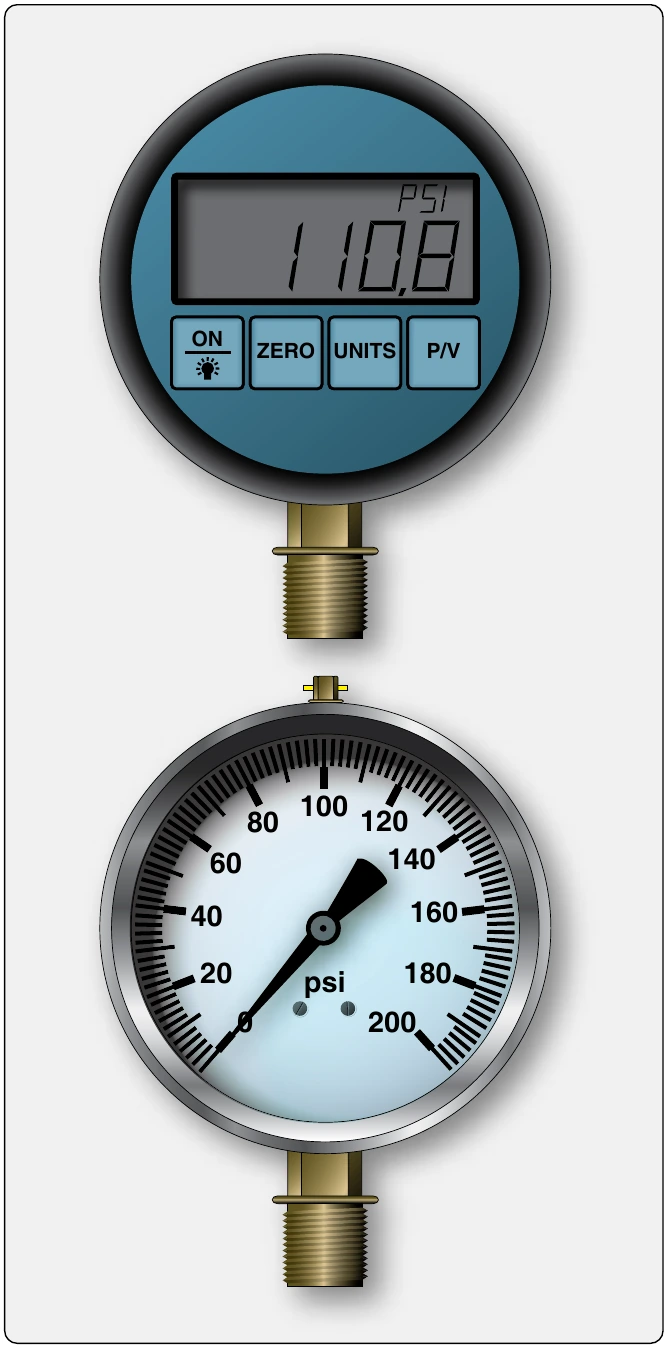
To perform as designed, an aircraft tire must be properly inflated. The aircraft manufacturer’s maintenance data must be used to ascertain the correct inflation pressure for a tire on a particular aircraft. Do not inflate to a pressure displayed on the sidewall of the tire or by how the tire looks. Tire pressure is checked while under load and is measured with the weight of the aircraft on the wheels. Loaded versus unloaded pressure readings can vary as much as 4 percent. Tire pressure measured with the aircraft on jacks or when the tire is not installed is lower due to the larger volume of the inflation gas space inside of the tire. On a tire designed to be inflated to 160 psi, this can result in a 6.4 psi error. A calibrated pressure gauge should always be used to measure inflation pressure. Digital and dial-type pressure gauges are more consistently accurate and preferred. [Figure 13-134]
Aircraft tires disperse the energy from landing, rollout, taxi, and takeoff in the form of heat. As the tire flexes, heat builds and is transferred to the atmosphere, as well as to the wheel rim through the tire bead. Heat from braking also heats the tire externally. A limited amount of heat is able to be handled by any tire beyond which structural damage occurs.
An improperly inflated aircraft tire can sustain internal damage that is not readily visible and that can lead to tire failure. Tire failure upon landing is always dangerous. An aircraft tire is designed to flex and absorb the shock of landing. Temperature rises as a result. However, an underinflated tire may flex beyond design limits of the tire. This causes excessive heat build-up that weakens the carcass construction. To ensure tire temperature is maintained within limits, tire pressure must be checked and maintained within the proper range on a daily basis or before each flight if the aircraft is only flown periodically. Important reasons for maintaining proper tire pressure are to prolong tire life and prevent tire damage.
Tire pressure should be measured at ambient temperature. Fluctuations of ambient temperature greatly affect tire pressure and complicate maintenance of pressure within the allowable range for safe operation. Tire pressure typically changes 1 percent for every 5 °F of temperature change. When aircraft are flown from one environment to another, ambient temperature differences can be vast. Maintenance personnel must ensure that tire pressure is adjusted accordingly. For example, an aircraft with the correct tire pressure departing Phoenix, Arizona where the ambient temperature is 100 °F arrives in Vail, Colorado where the temperature is 50 °F. The 50° difference in ambient temperature results in a 10 percent reduction in tire pressure. Therefore, the aircraft could land with underinflated tires that may be damaged due to over-temperature from flexing beyond design limits as described above. An increase in tire pressure before takeoff in Phoenix, Arizona prevents this problem as long as the tires are not inflated beyond the allowable limit provided in the maintenance data.
When checking tire pressure, allow 3 hours to elapse after a typical landing to ensure the tire has cooled to ambient temperature. The correct tire pressure for each ambient temperature is typically provided by the manufacturer on a table or graph.
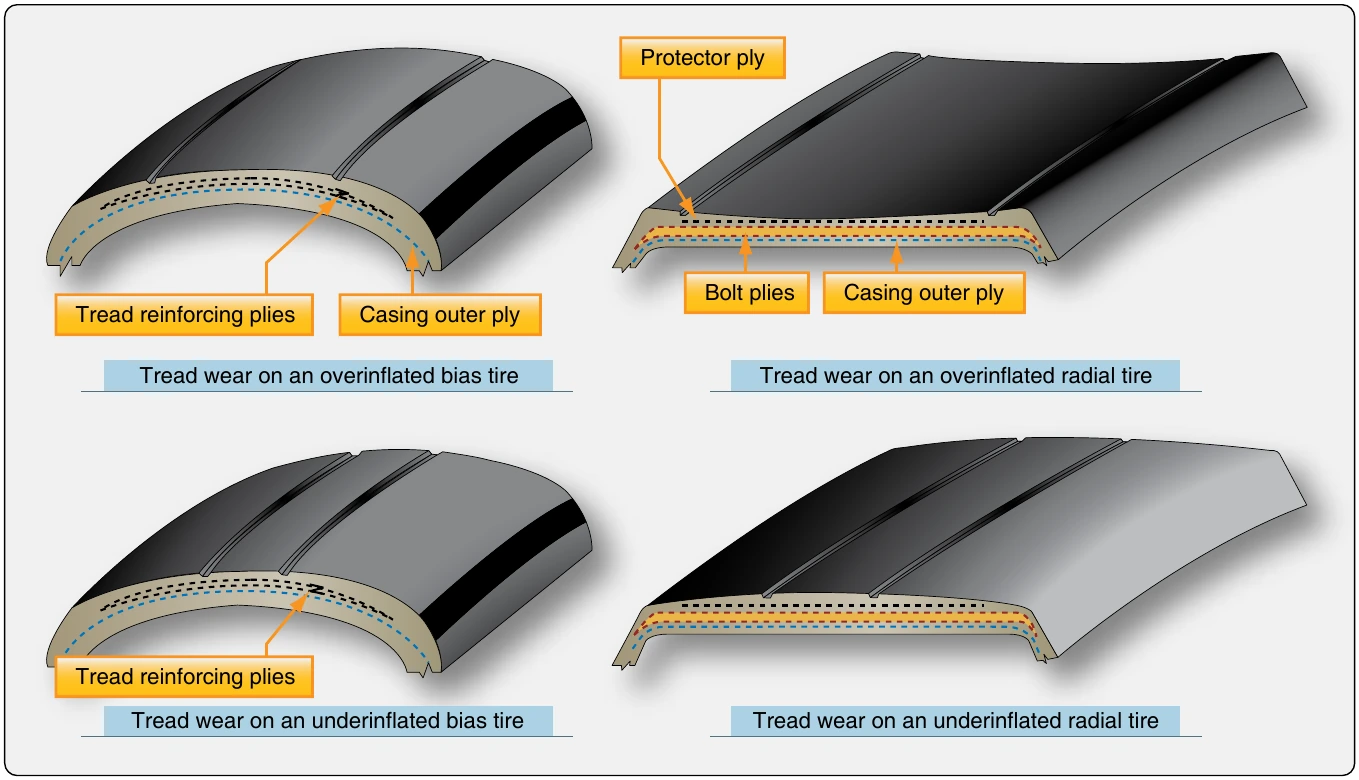
In addition to overheating, under inflated aircraft tires wear unevenly, which leads to premature tire replacement. They may also creep or slip on the wheel rim when under stress or when the brakes are applied. Severely under inflated tires can pinch the sidewall between the rim and the runway causing sidewall and rim damage. Damage to the bead and lower sidewall area are also likely. This type of abuse like any over flexing damages the integrity of the tire and it must be replaced. In dual-wheel setups, a severely underinflated tire affects both tires and both should be replaced.
Over inflation of aircraft tires is another undesirable condition. While carcass damage due to overheating does not result, adherence to the landing surface is reduced. Over a long period of time, over inflation leads to premature tread wear. Therefore, over inflation reduces the number of cycles in service before the tire must be replaced. It makes the tire more susceptible to bruises, cutting, shock damage, and blowout. [Figure 13-135]
Tread Condition
Condition of an aircraft tire tread is able to be determined while the tire is inflated and mounted on the aircraft. The following is a discussion of some of the tread conditions and damage that the technician may encounter while inspecting tires.
Tread Depth & Wear Pattern
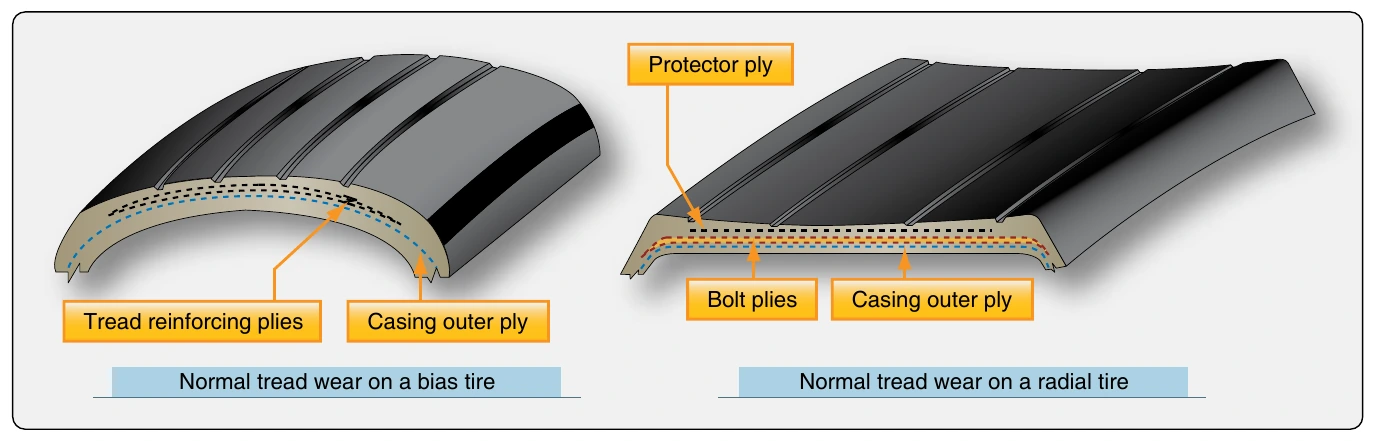
Evenly worn tread is a sign of proper tire maintenance. Uneven tread wear has a cause that should be investigated and corrected. Follow all manufacturer instructions specific to the aircraft when determining the extent and serviceability of a worn tire. In the absence of this information, remove any tire that has been worn to the bottom of a tread groove along more than 1⁄8 of the circumference of the tire. If either the protector ply on a radial tire or the reinforcing ply on a bias tire is exposed for more than 1⁄8 of the tire circumference, the tire should also be removed. A properly maintained evenly worn tire usually reaches its wear limits at the centerline of the tire. [Figure 13-136]
Asymmetrical tread wear may be caused by the wheels being out of alignment. Follow the manufacturer’s instructions while checking caster, camber, toe-in, and toe-out to correct this situation. Occasionally, asymmetrical tire wear is a result of landing gear geometry that cannot, or is not, required to be corrected. It may also be caused by regular taxiing on a single engine or high-speed cornering while taxiing. It is acceptable to remove the tire from the wheel rim, turn it around, and remount it to even up tread wear if the tire passes all other criterion of inspection for serviceability.
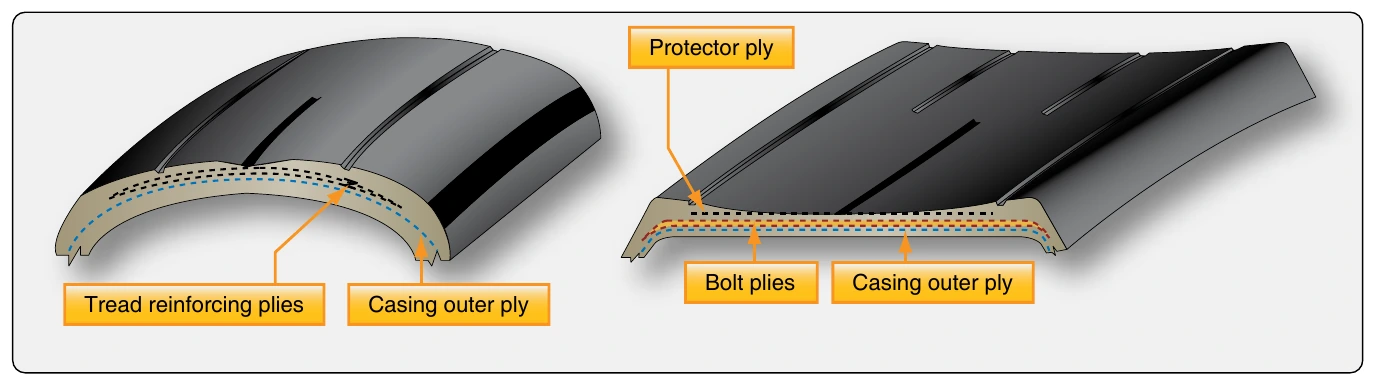
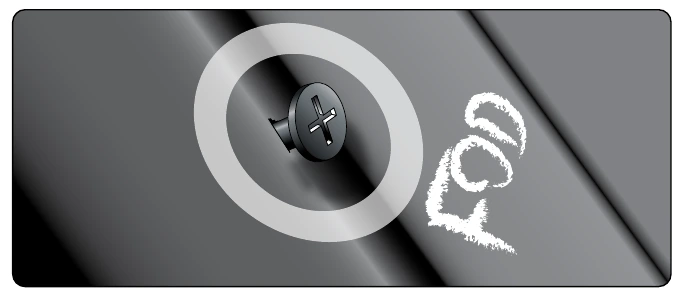
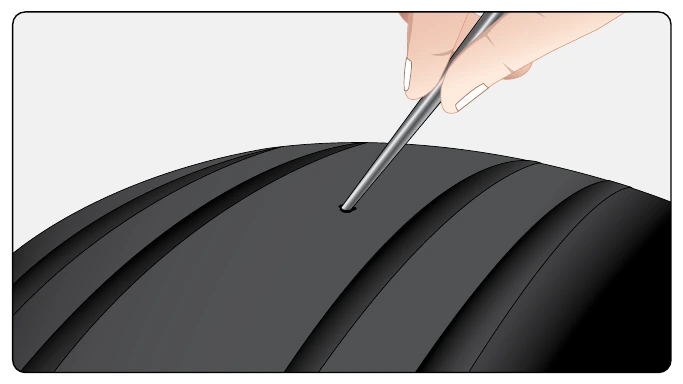
Removal of a tire before it is worn beyond limits to be eligible for retreading is cost effective and good maintenance practice. Considerable traction is lost when tire tread is severely worn and must also be considered when inspecting a tire for condition. [Figure 13-137] Consult airframe manufacturer and tire manufacturer specifications for wear and retread limitations.