
Chapter 14
Aircraft Fuel Systems


Before various test kits were developed for use in the field by nonscientific personnel, laboratories provided complete fuel composition analysis to aviators. These services are still available. A sample is sent in a sterilized container to the lab. It can be tested for numerous factors including water, microbial growth, flash point, specific gravity, cetane index (a measure of combustibility and burning characteristics), and more. Tests for microbes involve growing cultures of whatever organisms are present in the fuel. [Figure 14-102]
Fuel Contamination Control
A continuous effort must be put forth by all those in the aviation industry to ensure that each aircraft is fueled only with clean fuel of the correct type. Many contaminants, both soluble and insoluble, can contaminate an aircraft’s fuel supply. They can be introduced with the fuel during fueling or the contamination may occur after the fuel is onboard.
Contamination control begins long before the fuel gets pumped into an aircraft fuel tank. Many standard petroleum industry safeguards are in place. Fuel farm and delivery truck fuel handling practices are designed to control contamination. Various filters, testing, and treatments effectively keep fuel contaminant free or remove various contaminants once discovered. However, the correct clean fuel for an aircraft should never be taken for granted. The condition of all storage tanks and fuel trucks should be monitored. All filter changes and treatments should occur regularly and on time. The fuel supplier should take pride in delivering clean, contaminant-free fuel to its customers.
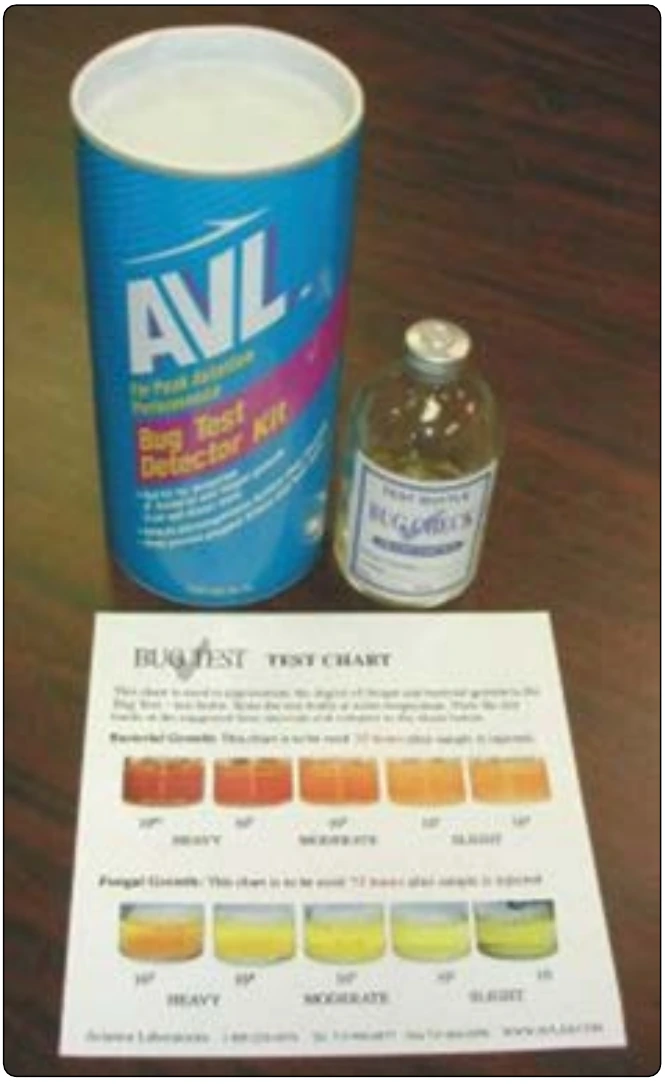
Onboard aircraft fuel systems must be maintained and serviced according to manufacturer’s specifications. Samples from all drains should be taken and inspected on a regular basis. Filters should be changed at the specified intervals. The fuel load should be visually inspected and tested from time to time or when there is a potential contamination issue. Particles discovered in filters should be identified and investigated if needed. Inspection of the fuel system during periodic inspections should be treated with highest concern.
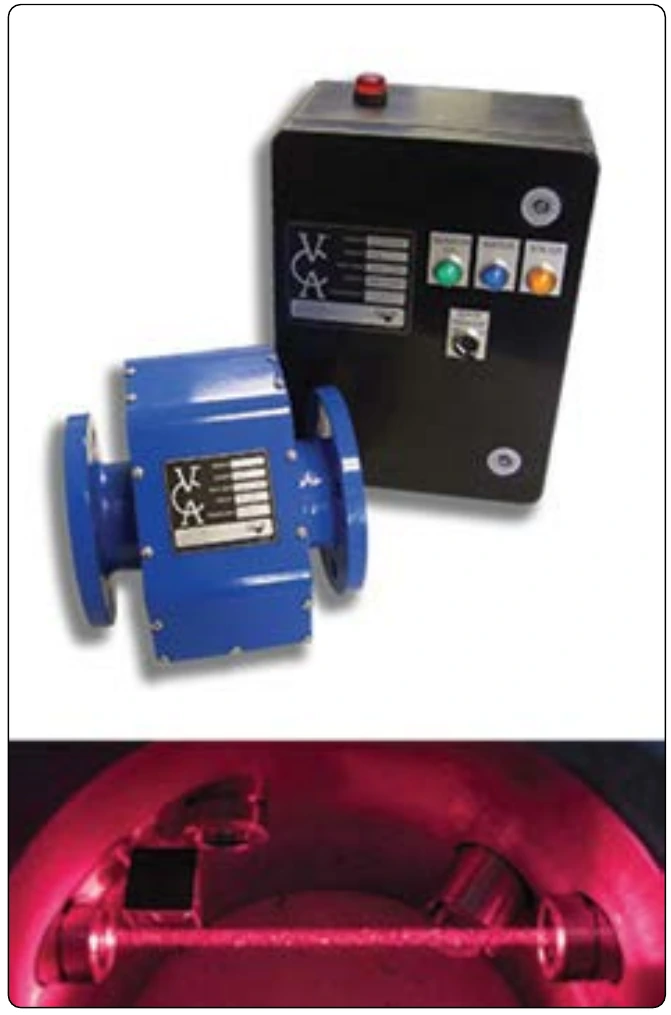
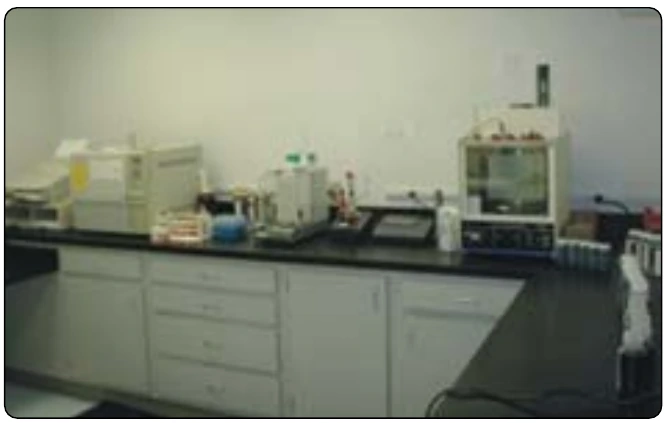
Most importantly, the choice of the correct fuel for an aircraft should never be in question. No one should ever put a fuel into an aircraft fuel tank unless absolutely certain it is the correct fuel for that aircraft and its engine(s). Personnel involved in fuel handling should be properly trained. All potential contamination situations should be investigated and remedied.
Fueling & Defueling Procedures
Maintenance technicians are often asked to fuel or defuel aircraft. Fueling procedure can vary from aircraft to aircraft. Tanks may need to be fueled in a prescribed sequence to prevent structural damage to the airframe. The proper procedure should be confirmed before fueling an unfamiliar aircraft.
Fueling
Always fuel aircraft outside, not in a hangar where fuel vapors may accumulate and increase the risk and severity of an accident. Generally, there are two types of fueling process: over-the-wing refueling and pressure refueling. Over-the-wing refueling is accomplished by opening the fuel tank cap on the upper surface of the wing or fuselage, if equipped with fuselage tanks. The fueling nozzle is carefully inserted into the fill opening and fuel is pumped into the tank. This process is similar to the process used to refuel an automobile gas tank. When finished, the cap is secured, and subsequent tanks are opened and refilled until the aircraft has the desired fuel load onboard. Pressure refueling occurs at the bottom, front, or rear of the fuel tank. A pressure refueling nozzle locks onto the fueling port at the aircraft fueling station. Fuel is pumped into the aircraft through this secured and sealed connection. Gauges are monitored to ascertain when the tanks are properly loaded. An automatic shutoff system may be part of the aircraft system. It closes the fueling valve when the tanks are full. [Figure 14-103] Precautions should be used with either type of fueling. First and foremost, it is absolutely essential that the correct fuel be put in the aircraft. The type of fuel to be used is placarded near the fill port on over-the-wing systems and at the fueling station on pressure refueled aircraft. If there is any question about which fuel to use, the pilot in command, other knowledgeable personnel, or the manufacturer’s maintenance/operations manual should be consulted before proceeding. An over-the-wing refueling nozzle for turbine engine fuel should be too large to fit into the fill opening on an aircraft utilizing gasoline.
Clean the area adjacent to the fill port when refueling over the wing. Ensure the fuel nozzle is also clean. Aviation fuel nozzles are equipped with static bonding wires that must be attached to the aircraft before the fuel cap is opened. [Figure 14-104] Open the cap only when ready to dispense the fuel. Insert the nozzle into the opening with care. The aircraft structure is much more delicate than the fuel nozzle, which could easily damage the aircraft. Do not insert the neck of the nozzle deeply enough to hit bottom. This could dent the tank, or the aircraft skin, if it is an integral tank. Exercise caution to avoid damage to the surface of the airframe by the heavy fuel hose. Lay the hose over your shoulder or use a refueling mat to protect the paint. [Figure 14-105]
When pressure refueling, the aircraft receptacle is part of a fueling valve assembly. When the fueling nozzle is properly connected and locked, a plunger unlocks the aircraft valve so fuel can be pumped through it. Normally, all tanks can be fueled from a single point. Valves in the aircraft fuel system are controlled at the fueling station to direct the fuel into the proper tank. [Figure 14-106] Ensure that the pressure developed by the refueling pump is correct for the aircraft before pumping fuel. Although similar, pressure fueling panels and their operation are different on different aircraft. Refueling personnel should be guided through the correct use of each panel. Do not guess at how the panel and associated valves operate.
When fueling from a fuel truck, precautions should be taken. If the truck is not in continuous service, all sumps should be drained before moving the truck, and the fuel should be visually inspected to be sure it is bright and clean. Turbine fuel should be allowed to settle for a few hours if the fuel truck tank has recently been filled or the truck has been jostled, such as when driven over a bumpy service road at the airport. Properly maneuver the fuel truck into position for refueling.
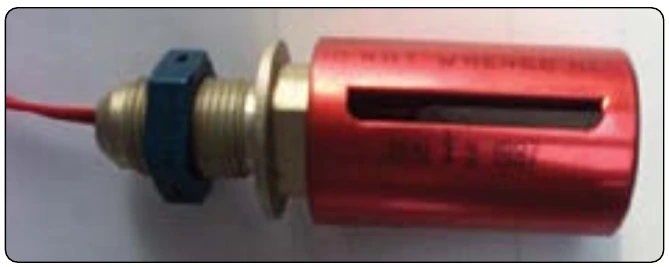
The aircraft should be approached slowly. The truck should be parked parallel to the wings and in front of the fuselage if possible. Avoid backing toward the aircraft. Set the parking brake and chock the wheels. Connect a static bonding cable from the truck to the aircraft. This cable is typically stored on a reel mounted on the truck.