
Chapter 5
Aircraft Welding
Rather than having to release the electrodes and move the material to form a series of spot welds, a seam-welding machine is used to manufacture fuel tanks and other components where a continuous weld is needed. Two copper wheels replace the bar-shaped electrodes. The metal to be welded is moved between them, and electric pulses create spots of molten metal that overlap to form the continuous seam.
Plasma Arc Welding (PAW)
Plasma arc welding (PAW) was developed in 1964 as a method of bringing better control to the arc welding process. PAW provides an advanced level of control and accuracy using automated equipment to produce high quality welds in miniature and precision applications. Furthermore, PAW is equally suited to manual operation and can be performed by a person using skills similar to those for GTAW.
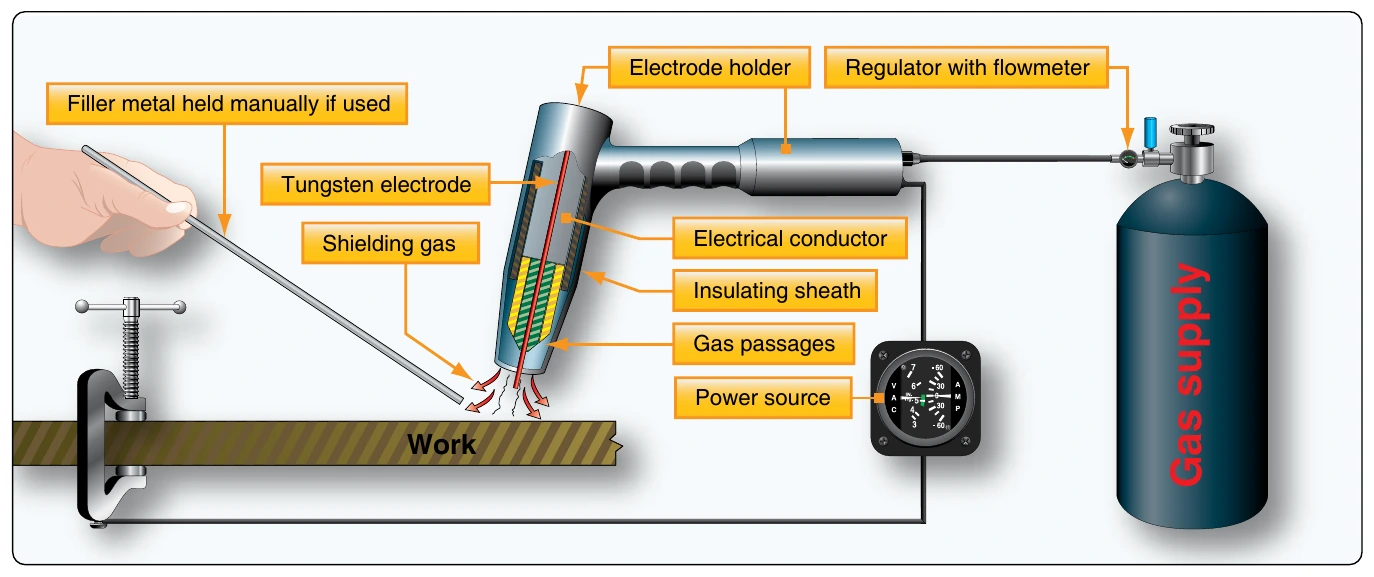
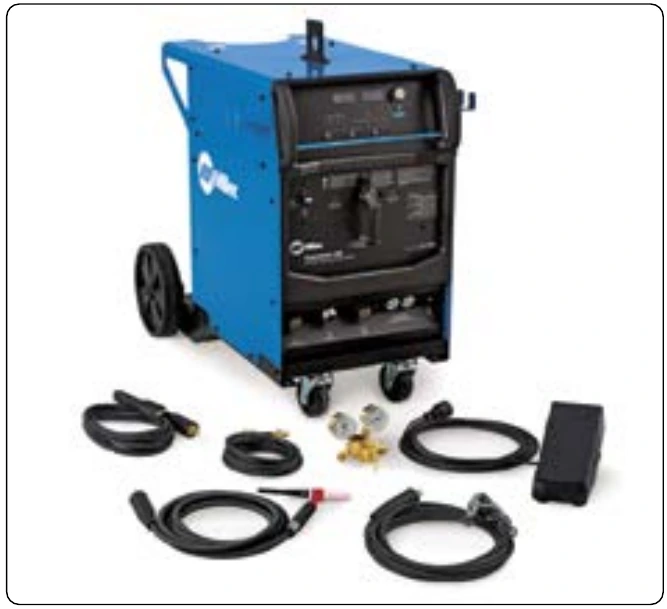
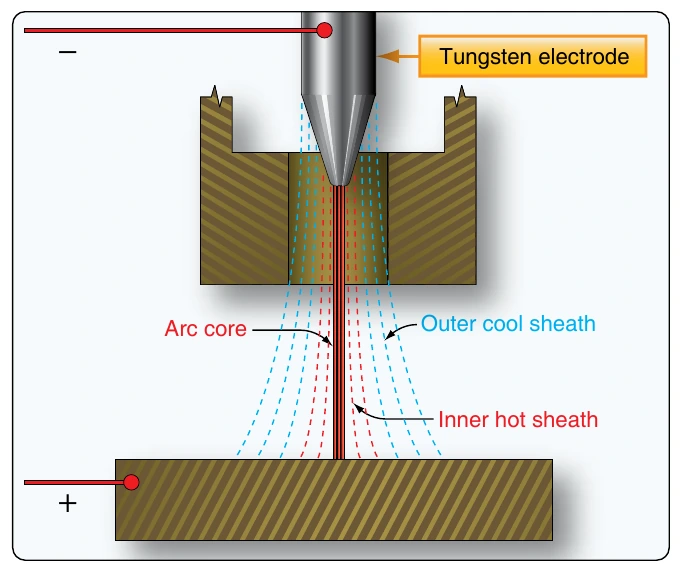
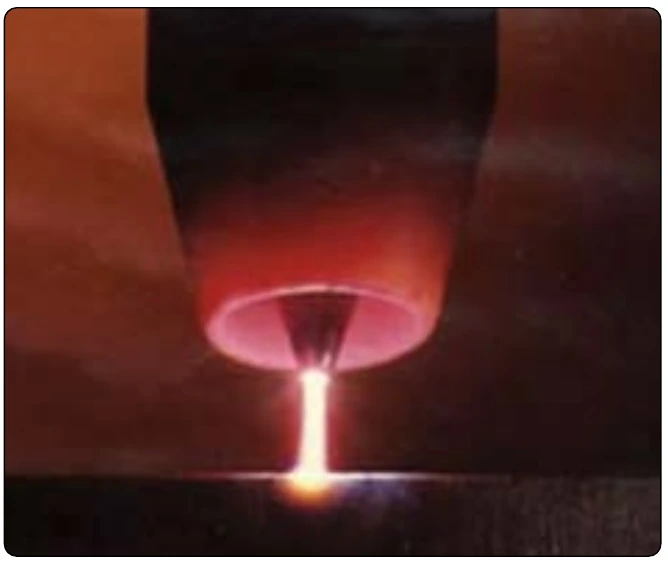
In the plasma welding torch, a nonconsumable tungsten electrode is located within a fine-bore copper nozzle. A pilot arc is initiated between the torch electrode and nozzle tip. This arc is then transferred to the metal being welded. [Figure 5-11]
By forcing the plasma gas and arc through a constricted orifice, the torch delivers a high concentration of heat to a small area. The plasma process produces exceptionally high quality welds. [Figure 5-12] Plasma gas is normally argon. The torch also uses a secondary gas, such as argon/helium or argon/nitrogen, that assists in shielding the molten weld puddle and minimizing oxidation of the weld.
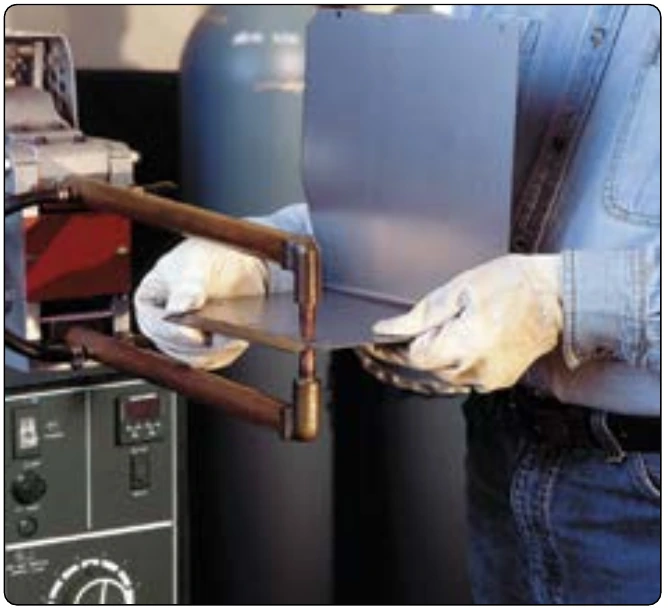
Like GTAW, the PAW process can be used to weld most commercial metals, and it can be used for a wide variety of metal thicknesses. On thin material, from foil to 1⁄8-inch, the process is desirable because of the low heat input. The process provides relatively constant heat input because arc length variations are not very critical. On material thicknesses greater than 1⁄8-inch and using automated equipment, a keyhole technique is often used to produce full penetration single-path welds. In the keyhole technique, the plasma completely penetrates the work piece. The molten weld metal flows to the rear of the keyhole and solidifies as the torch moves on. The high quality welds produced are characterized by deep, narrow penetration and a small weld face.
When PAW is performed manually, the process requires a high degree of welding skills similar to that required for GTAW. However, the equipment is more complex and requires a high degree of knowledge to set up and use. The equipment required for PAW includes a welding machine, a special plasma arc control system, the plasma welding torch (water-cooled), the source of plasma and shielding gas, and filler material, when required. Because of the cost associated with this equipment, this process is very limited outside of manufacturing facilities.
Plasma Arc Cutting
When a plasma cutting torch is used, the gas is usually compressed air. The plasma cutting machine works by constricting an electrical arc in a nozzle and forcing the ionized gas through it. This heats the gas that melts the metal which is blown away by the air pressure. By increasing air pressure and intensifying the arc with higher voltages, the cutter is capable of blasting through thicker metals and blowing away the dross with minimal cleanup.
Plasma arc systems can cut all electrically conductive metals, including aluminum and stainless steel. These two metals cannot be cut by oxy-fuel cutting systems because they have an oxide layer that prevents oxidation from occurring. Plasma cutting works well on thin metals and can successfully cut brass and copper in excess of two inches thick.
Plasma cutting machines can rapidly and precisely cut through, gouge, or pierce any electrically conductive metal without preheating. The plasma cutter produces a precise kerf (cut) width and a small heat-affected zone (HAZ) that prevents warping and damage.
Gas Welding & Cutting Equipment
Welding Gases
Acetylene
This is the primary fuel for oxy-fuel welding and cutting. It is chemically very unstable, and is stored in special cylinders designed to keep the gas dissolved. The cylinders are packed with a porous material and then saturated with acetone. When the acetylene is added to the cylinder, it dissolves; in this solution, it becomes stable. Pure acetylene stored in a free state explodes from a slight shock at 29.4 pounds per square inch (psi). The acetylene pressure gauge should never be set higher than 15 psi for welding or cutting.