
Chapter 16
Cabin Environmental Control Systems
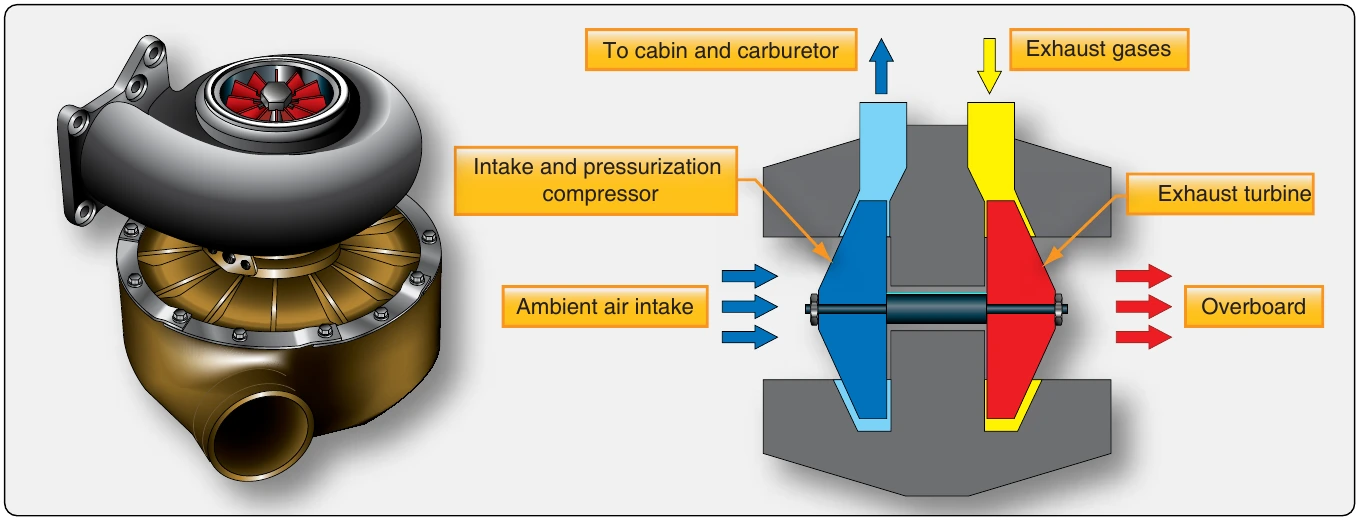
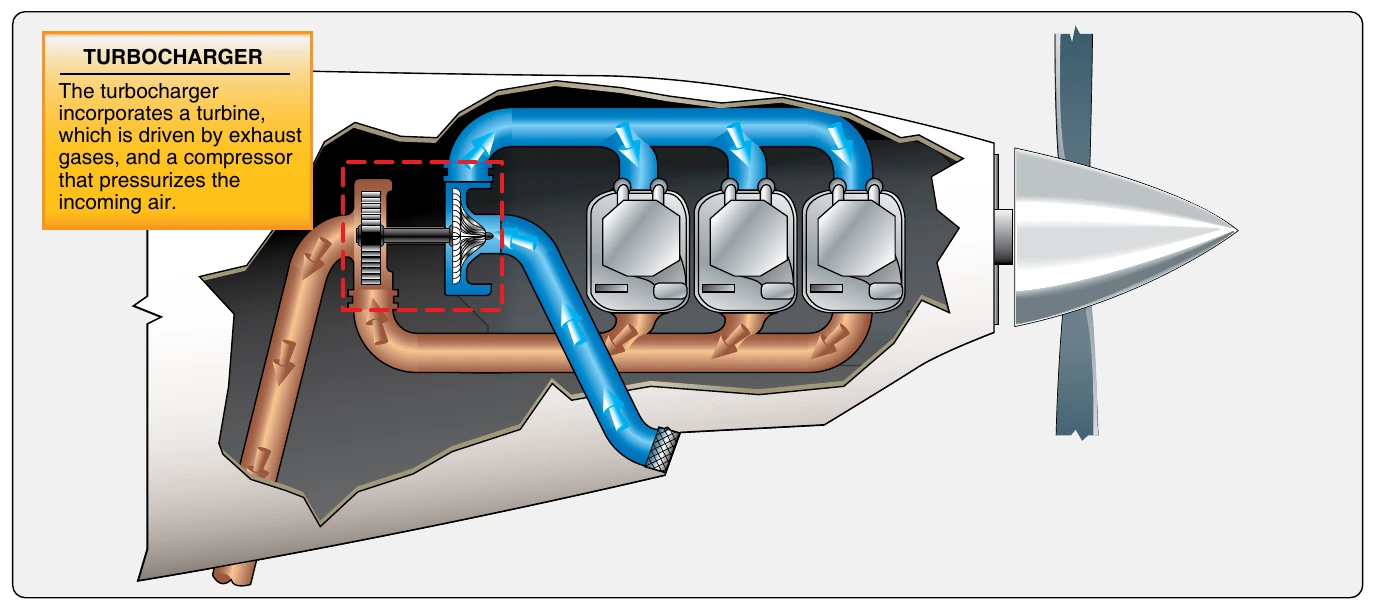
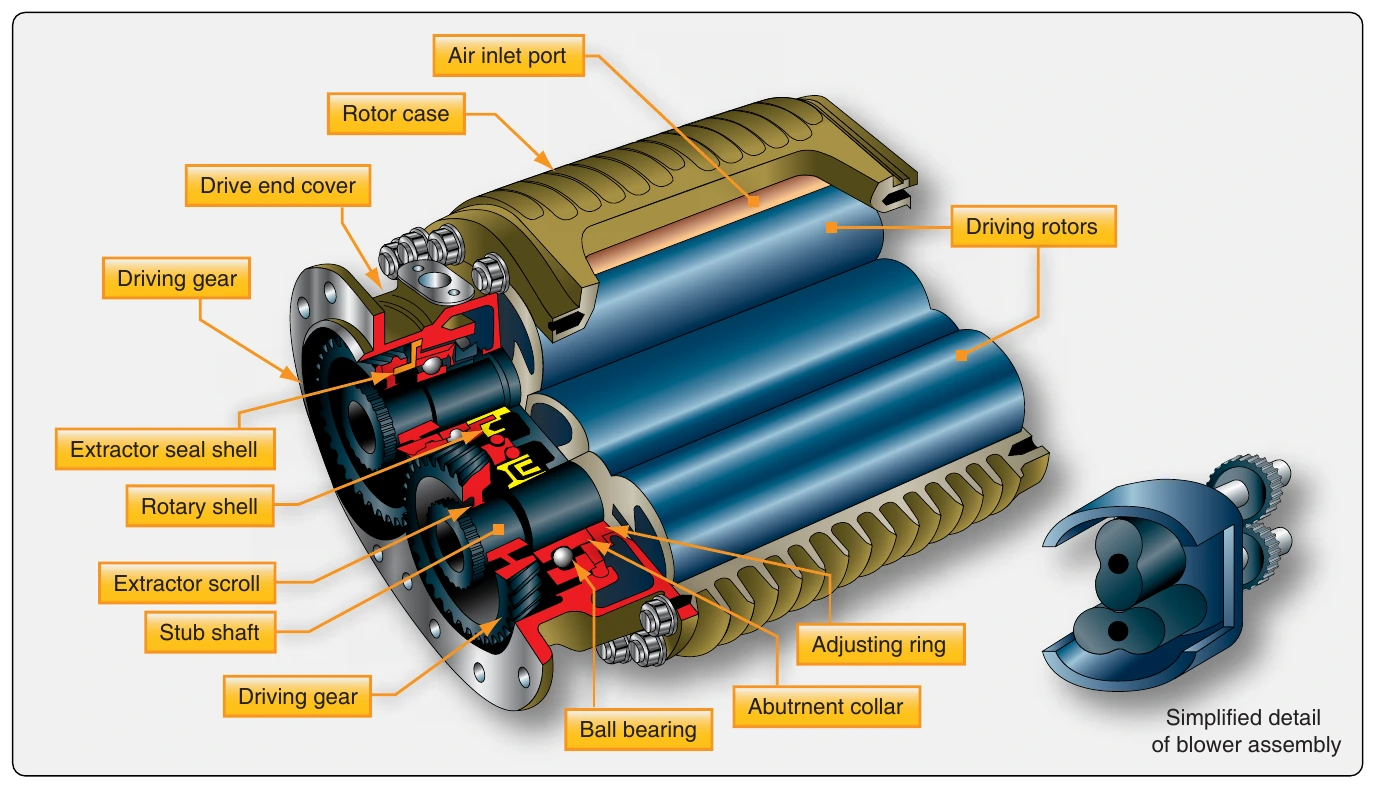
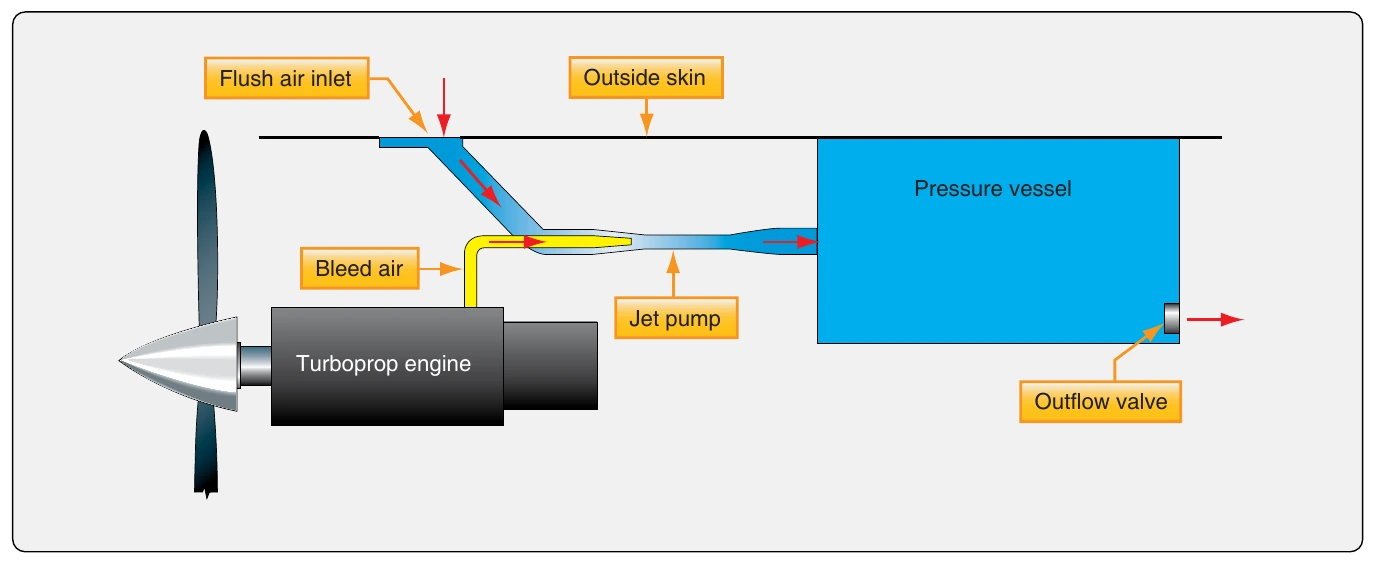
There are different ways hot, high-pressure bleed air can be exploited. Smaller turbine aircraft, or sections of a large aircraft, may make use of a jet pump flow multiplier. With this device, bleed air is tapped off of the turbine engine’s compressor section. It is ejected into a venturi jet pump mounted in air ducting that has one end open to the ambient air and the other end directed into the compartment to be pressurized. Due to the low pressure established in the venturi by the bleed air flow, air is drawn in from outside the aircraft. It mixes with the bleed air and is delivered to the pressure vessel to pressurize it. An advantage of this type of pressurization is the lack of moving parts. [Figure 16-48] A disadvantage is only a relatively small volume of space can be pressurized in this manner.
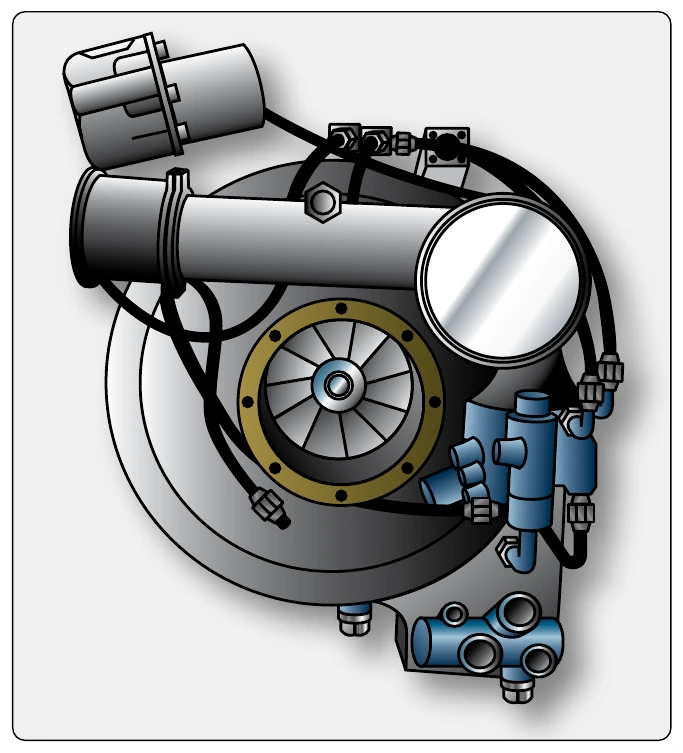
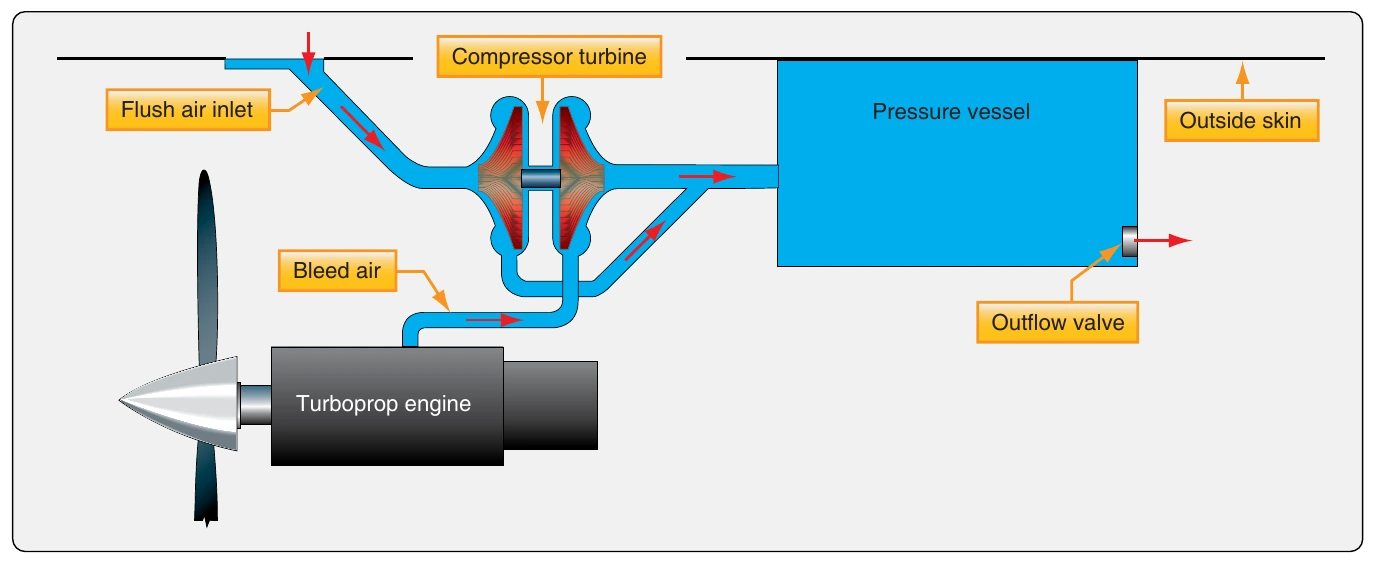
Another method of pressurizing an aircraft using turbine engine compressor bleed air is to have the bleed air drive a separate compressor that has an ambient air intake. A turbine turned by bleed air rotates a compressor impellor mounted on the same shaft. Outside air is drawn in and compressed.
It is mixed with the bleed air outflow from the turbine and is sent to the pressure vessel. Turboprop aircraft often use this device, known as a turbocompressor. [Figure 16-49]
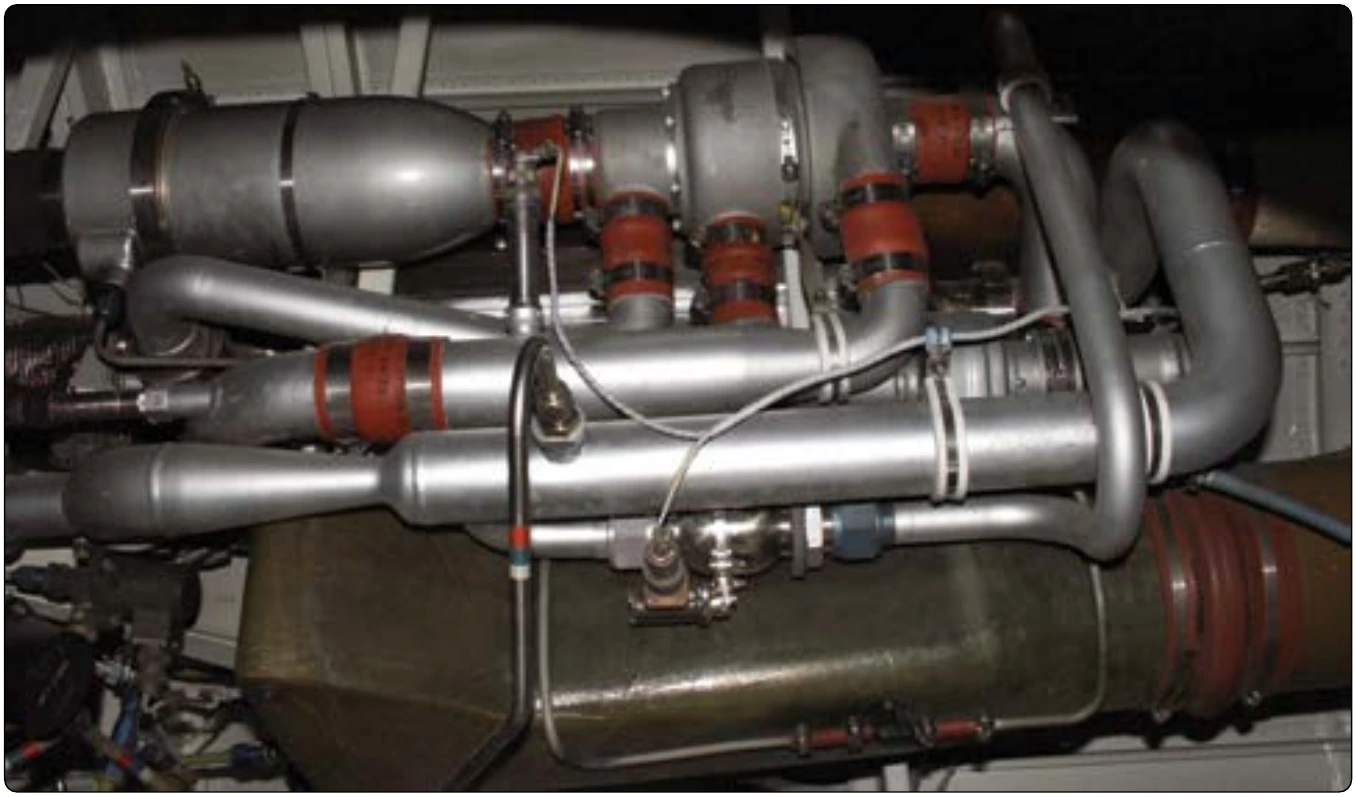
The most common method of pressurizing turbine-powered aircraft is with an air cycle air conditioning and pressurization system. Bleed air is used, and through an elaborate system including heat exchangers, a compressor, and an expansion turbine, cabin pressurization and the temperature of the pressurizing air are precisely controlled. This air cycle system is discussed in greater detail in the air conditioning section of this chapter. [Figure 16-50]
Control of Cabin Pressure
Pressurization Modes
Aircraft cabin pressurization can be controlled via two different modes of operation. The first is the isobaric mode, which works to maintain cabin altitude at a single pressure despite the changing altitude of the aircraft. For example, the flight crew may select to maintain a cabin altitude of 8,000 feet (10.92 psi). In the isobaric mode, the cabin pressure is established at the 8,000-foot level and remains at this level, even as the altitude of the aircraft fluctuates.
The second mode of pressurization control is the constant differential mode, which controls cabin pressure to maintain a constant pressure difference between the air pressure inside the cabin and the ambient air pressure, regardless of aircraft altitude changes. The constant differential mode pressure differential is lower than the maximum differential pressure for which the airframe is designed, keeping the integrity of the pressure vessel intact.
When in isobaric mode, the pressurization system maintains the cabin altitude selected by the crew. This is the condition for normal operations. But when the aircraft climbs beyond a certain altitude, maintaining the selected cabin altitude may result in a differential pressure above that for which the airframe was designed. In this case, the mode of pressurization automatically switches from isobaric to constant differential mode. This occurs before the cabin’s max differential pressure limit is reached. A constant differential pressure is then maintained, regardless of the selected cabin altitude.
In addition to the modes of operation described above, the rate of change of the cabin pressure, also known as the cabin rate of climb or descent, is also controlled. This can be done automatically or manually by the flight crew. Typical rates of change for cabin pressure are 300 to 500 fpm. Also, note that modes of pressurization may also refer to automatic versus standby versus manual operation of the pressurization system.
Cabin Pressure Controller
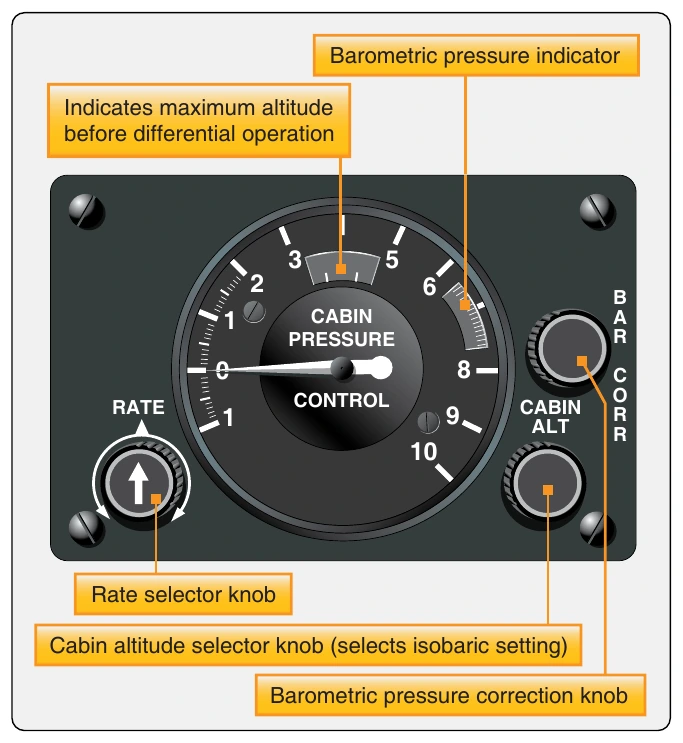
The cabin pressure controller is the device used to control the cabin air pressure. Older aircraft use strictly pneumatic means for controlling cabin pressure. Selections for the desired cabin altitude, rate of cabin altitude change, and barometric pressure setting are all made directly to the pressure controller from pressurization panel in the flight deck. [Figure 16-51]