
Chapter 16
Cabin Environmental Control Systems
Tubing and fittings make up most of the oxygen system plumbing and connect the various components. Most lines are metal in permanent installations. High-pressure lines are usually stainless steel. Tubing in the low-pressure parts of the oxygen system is typically aluminum. Flexible plastic hosing is used deliver oxygen to the masks; its use is increasing in permanent installations to save weight.

Installed oxygen tubing is usually identified with color-coded tape applied to each end of the tubing, and at specified intervals along its length. The tape coding consists of a green band overprinted with the words “BREATHING OXYGEN” and a black rectangular symbol overprinted on a white background border strip. [Figure 16-26]
Tubing-to-tubing fittings in oxygen systems are often designed with straight threads to receive flared tube connections. Tubing-to-component fittings usually have straight threads on the tubing end and external pipe threads (tapered) on the other end for attachment to the component. The fittings are typically made of the same material as the tubing (i.e., aluminum or steel). Flared and flareless fittings are both used, depending on the system.
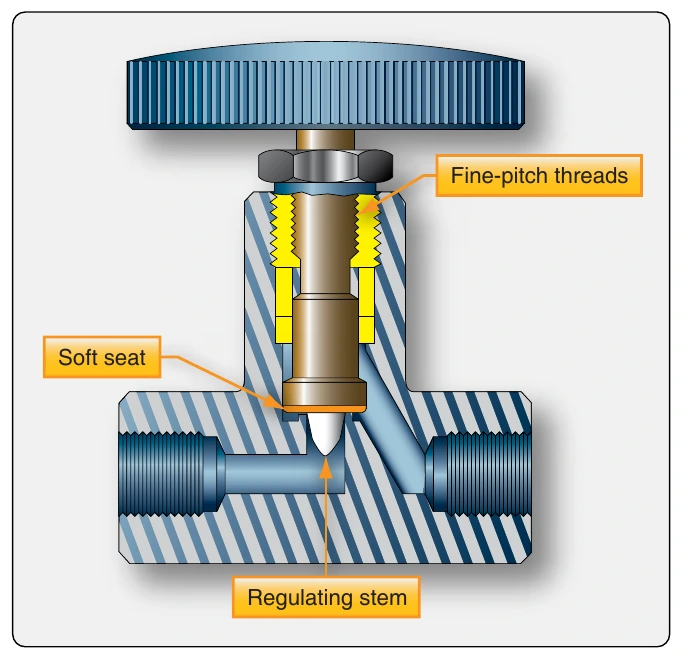
Five types of valves are commonly found in high-pressure gaseous oxygen systems: filler, check, shutoff, pressure reducer, and pressure relief. They function as they would in any other system with one exception: oxygen system shutoff valves are specifically designed to open slowly.
The ignition point for any substances is lower in pure oxygen than it is in air. When high-pressure oxygen is allowed to rush into a low-pressure area, its velocity could reach the speed of sound. If it encounters an obstruction (a valve seat, an elbow, a piece of contaminant, etc.), the oxygen compresses. With this compression, known as adiabatic compression (since it builds so quickly no heat is lost to its surroundings), comes high temperature. Under pressure, this high temperature exceeds the ignition point of the material the oxygen encounters and a fire or explosion results. A stainless-steel line, for example, would not normally burn and is used for carrying numerous fluids under high pressure. But under high pressure and temperature in the presence of 100 percent oxygen, even stainless steel can ignite.
To combat this issue, all oxygen shutoff valves are slow, opening valves designed to decrease velocity. [Figure 16-27]
Additionally, technicians should always open all oxygen valves slowly. Keeping oxygen from rushing into a low-pressure area should be a major concern when working with high-pressure gaseous oxygen systems.
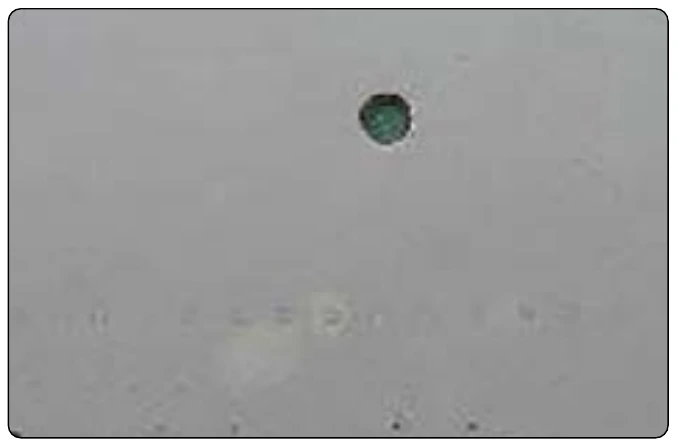
Oxygen cylinder valves and high-pressure systems are often provided with a relief valve should the desired pressure be exceeded. Often, the valve is ported to an indicating or blowout disc. This is located in a conspicuous place, such as the fuselage skin, where it can be seen during walk-around inspection. Most blowout discs are green. The absence of the green disc indicates the relief valve has opened, and the cause should be investigated before flight. [Figure 16-28]
Chemical Oxygen Systems
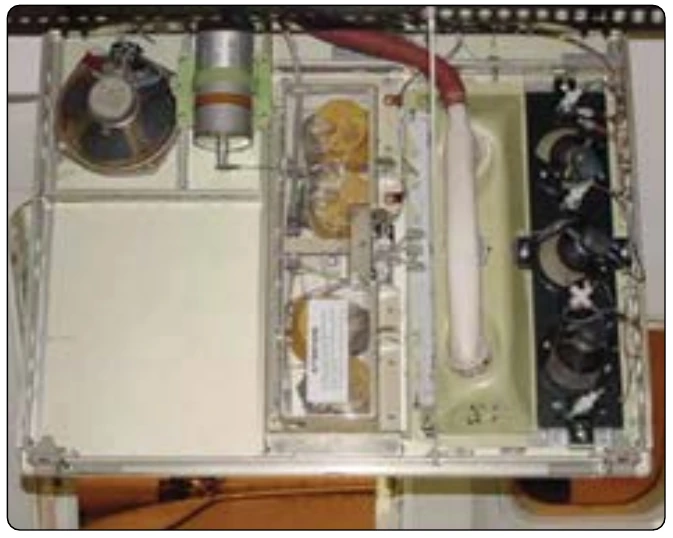
The two primary types of chemical oxygen systems are the portable type, much like a portable carry-on gaseous oxygen cylinder, and the fully integrated supplementary oxygen system used as backup on pressurized aircraft in case of pressurization failure. [Figure 16-29] This latter use of solid chemical oxygen generators is most common on airliners. The generators are stored in the overhead PSU attached to hoses and masks for every passenger on board the aircraft. When a depressurization occurs, or the flight crew activates a switch, a compartment door opens, and the masks and hoses fall out in front of the passengers. The action of pulling the mask down to a usable position actuates an electric current, or ignition hammer, that ignites the oxygen candle and initiates the flow of oxygen. Typically, 10 to 20 minutes of oxygen is available for each user. This is calculated to be enough time for the aircraft to descend to a safe altitude for unassisted breathing.
Chemical oxygen systems are unique in that they do not produce the oxygen until it is time to be used. This allows safer transportation of the oxygen supply with less maintenance. Chemical oxygen-generating systems also require less space and weigh less than gaseous oxygen systems supplying the same number of people. Long runs of tubing, fittings, regulators, and other components are avoided, as are heavy gaseous oxygen storage cylinders. Each passenger row grouping has its own fully independent chemical oxygen generator. The generators, which often weigh less than a pound, are insulated and can burn completely without getting hot. The size of the orifice opening in the hose-attach nipples regulates the continuous flow of oxygen to the users.
LOX Systems
LOX systems are rarely used in civilian aviation. They may be encountered on former military aircraft now in the civilian fleet. As mentioned, the storage of LOX requires a special container system. The plumbing arrangement to convert the liquid to a usable gas is also unique. It basically consists of a controlled heat exchange assembly of tubing and valves. Overboard pressure relief is provided for excessive temperature situations. Once gaseous, the LOX system is the same as it is in any comparable gaseous oxygen delivery system. Use of pressure-demand regulators and masks is common. Consult the manufacturer’s maintenance manual for further information if a LOX system is encountered.