
Chapter 14
Human Factors
Within an organization, making sure that personnel have the correct tools for the job is just as important as having the proper parts when they are needed. Having the correct tools means not having to improvise. For example, an aircraft that had received a new interior needed to be weighed prior to being released to fly. Two days before the planned release, the aircraft was weighed without the proper electronic load cells placed between the aircraft jack and the aircraft. Because the correct equipment was not used, the aircraft slipped off of one of the load cells and the jack point creased the spar. The cost of improvising can be very steep. The right tools for the job need to be used at all times, and if they are broken, out of Technical documentation is another critical resource that can lead to problems in aviation maintenance. When trying to find out more about the task at hand or how to troubleshoot and repair a system, the needed information often cannot be found because the manuals or diagrams are not available. If the information is unavailable, personnel should ask a supervisor or speak with a technical representative or technical publications department at the appropriate aircraft manufacturer. Most manuals are in a constant state of revision and, if organizations do not identify missing information in the manuals, then nothing is done to correct the documentation. Resources such as publications departments and manufacturers’ technical support are available and should be used rather than ignoring the problem.
Another valuable resource that the maintenance department should rely on is the flight crew. Organizations should Figure 14-26 shows a number of questions that flight crews can be asked to help resolve and understand maintenance issues.
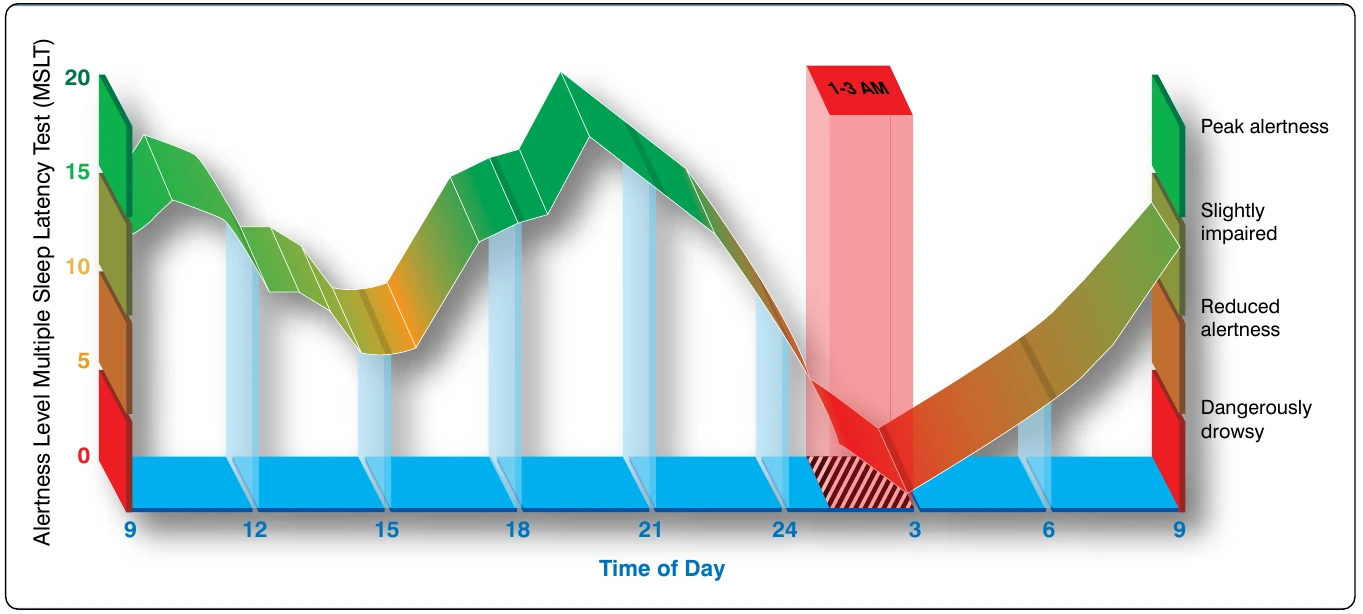
When the proper resources are available for the task at hand, there is a much higher probability that maintenance will do a better, more efficient job and higher likelihood that the job will be done correctly the first time. Organizations must learn to use all of the resources that are available and, if the correct resources are not available, make the necessary arrangements to get them in a timely manner. The end result saves time and money, and enables organizations to complete the task knowing the aircraft is airworthy.
Pressure
Aviation maintenance tasks require individuals to perform in an environment with constant pressure to do things better and faster without making mistakes and letting things fall through the cracks. Unfortunately, these types of job pressures can affect the capabilities of maintenance workers to get the job done right. [Figure 14-27] Airlines have strict financial guidelines, as well as tight flight schedules, that pressure mechanics to identify and repair mechanical problems quickly so that the airline industry can keep moving. Most important, aircraft mechanics are responsible for the overall safety of everyone who uses flying as a mode of transportation.
Organizations must be aware of the time pressures that are put on aircraft mechanics and help them manage all of the tasks that need to be completed so that all repairs, while done in a natural circadian rhythm.
timely manner, are completed correctly with safety being the ultimate goal. Sacrificing quality and safety for the sake of time should not be tolerated or accepted. Likewise, AMTs need to recognize on their own when time pressures are clouding their judgments and causing them to make unnecessary mistakes. Self-induced pressures are those occasions where one takes ownership of a situation that was not of their doing.
In an effort to combat self-induced pressure, technicians should ask for help if they feel overwhelmed and under a time constraint to complete a repair. Another method is to have someone check the repair thoroughly to ensure that all maintenance tasks were completed correctly.
Lastly, if given a repair with a specific time limitation that you feel is unrealistic or compromises safety, bring it to the attention of the organization’s management and openly discuss a different course of action.
Lack of Assertiveness
Assertiveness is the ability to express your feelings, opinions, beliefs, and needs in a positive, productive manner and should not be confused with being aggressive. [Figure 14-28] It is important for AMTs to be assertive in issues relating to aviation repair rather than choosing not to or not being allowed to voice their concerns and opinions. Not being assertive could ultimately cost people their lives. The following are examples of how a lack of assertiveness can be offset:
- Address managers and supervisors directly by stating the problem. Example: “John, I have a concern with how this repair
Example: “If we continue, the result will be that the part will break sooner rather than later.”
- Propose possible solutions to the problem. Example: “We could try doing things another way or you may want to try this way.”
- Always solicit feedback and include other opinions.
Example: “John, what do you think?”
When being assertive with co-workers or management, deal with one issue at a time rather than trying to tackle a number of problems at once. It is also important to have documentation and facts to back up your argument, which can give people a visual account of what you are trying to explain. A lack of assertiveness in failing to speak up when things do not seem right has resulted in many fatal accidents. This can easily be changed by promoting good communication between co-workers and having an open relationship with supervisors and management. Maintenance managers must be familiar with the behavior styles of the people they supervise and learn to utilize their talents, experience, and wisdom. As the employees become aware of behavior styles and understand their own behavior, they see how they unwittingly contribute to some of their own problems and how they can make adjustments. Assertive behavior may not be a skill that comes naturally to every individual, but it is a critical skill to achieve effectiveness. AMTs should give supervisors and management the kind of feedback required to ensure that they will be able to assist mechanics in doing their job.